
| Catalog | Product Name | EC No. | CAS No. | Source | Price |
|---|---|---|---|---|---|
| BDE-001 | Recombinant Pyranose Oxidase (PROD) | EC 1.1.3.10 | 37250-80-9 | Recombinant | Inquiry |
| BDE-003 | Recombinant Acyl-CoA Synthetase (ACS) | EC 6.2.1.3 | 9013-18-7 | Recombinant | Inquiry |
| BDE-004 | Recombinant Acyl-CoA Oxidase (ACO) | EC 1.3.3.6 | 61116-22-1 | Recombinant | Inquiry |
| BDE-040 | β-Nicotinamide Adenine Dinucleotide (NAD) | Inquiry | |||
| BDE-041 | β-Nicotinamide Adenine Dinucleotide Phosphate (NADP+) Oxidized Sodium Salt | Inquiry | |||
| BDE-042 | β-Nicotinamide Adenine Dinucleotide (NADH) (Reduced State) | 606-68-8 | Inquiry | ||
| BDE-043 | β-Nicotinamide Adenine Dinucleotide Phosphate (NADPH) (Reduced Sodium Salt) | Inquiry | |||
| DIA-124 | Native Cucurbita sp. L-ascorbate oxidase | EC 1.10.3.3 | 9029-44-1 | Cucurbita sp. | Inquiry |
| DIA-131 | Native Aspergillus sp. Catalase | EC 1.11.1.6 | 9001-0 5-2 | Aspergillus sp. | Inquiry |
Point-of-care testing brings analytical measurements closer to the patient, enabling testing through portable analyzers, handheld meters, disposable cartridges, test strips, wearable sensors, and rapid diagnostic devices. Enzymes used in these systems must provide more than catalytic activity: they often need rapid response, high substrate selectivity, dry-state stability, matrix tolerance, and compatibility with electrodes, membranes, mediators, or signal-generation chemistries.

Creative Enzymes supplies oxidases, dehydrogenases, hydrolases, coupling enzymes, reporter enzymes, cofactors, and interference-control enzymes for electrochemical, colorimetric, fluorometric, and chemiluminescent POCT platforms. The existing portfolio includes pyranose oxidase, acyl-CoA synthetase, acyl-CoA oxidase, ascorbate oxidase, catalase, NAD, NADP+, NADH, and NADPH.
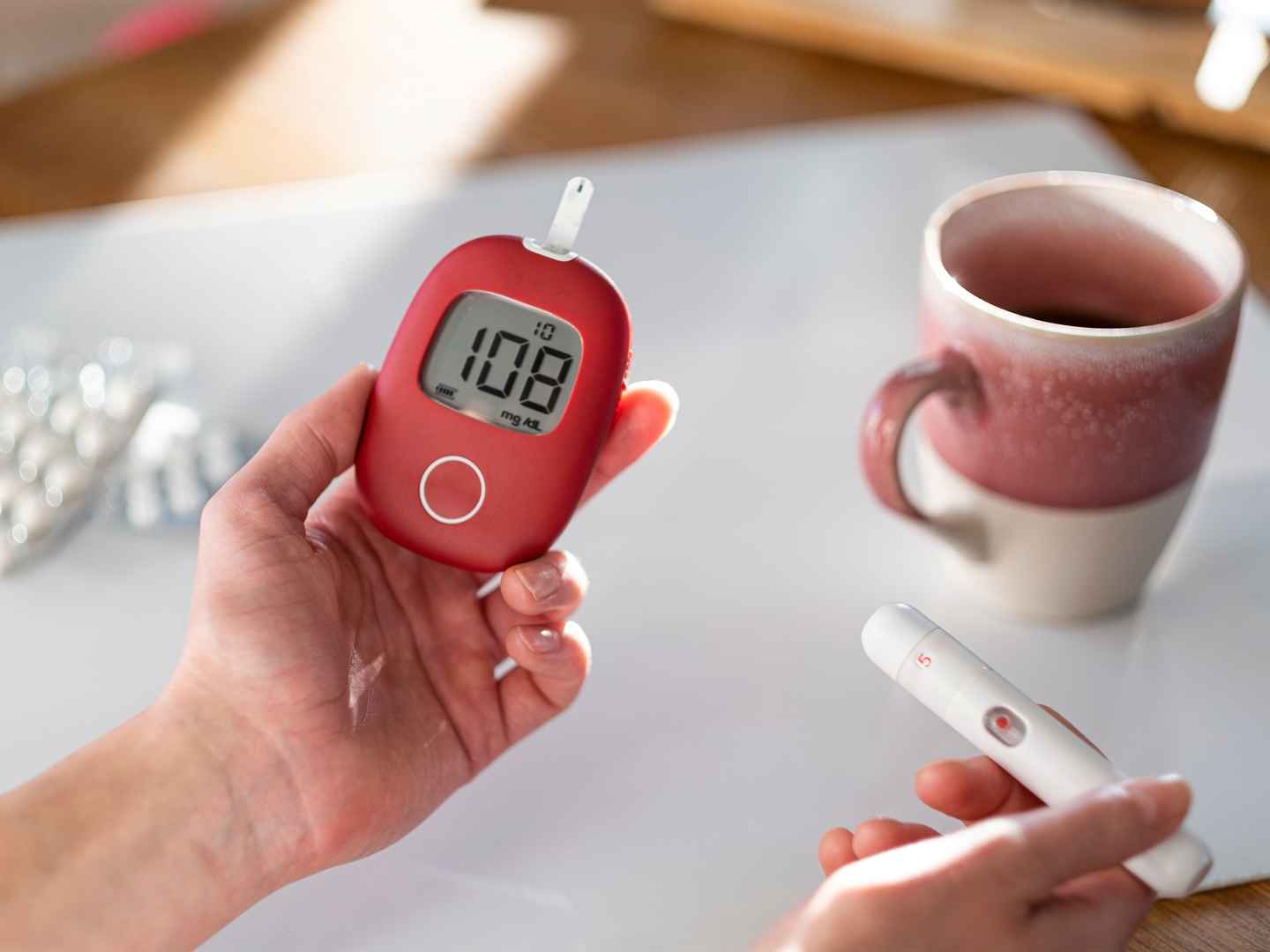
Enzymatic glucose sensors commonly use glucose oxidase or glucose dehydrogenase to convert glucose into an electrochemically detectable response.
Representative enzyme options include:
FAD-GDH test strips can use a redox mediator to generate an electrical current proportional to glucose concentration. Other commercial glucose systems use engineered PQQ-GDH variants to improve analytical selectivity.
Selection should consider oxygen dependence, sugar cross-reactivity, electron-mediator compatibility, hematocrit effects, operating temperature, and dry-storage stability.
POCT platforms can support rapid measurement of metabolites associated with tissue perfusion, energy metabolism, and metabolic imbalance.
Representative enzyme systems include:
The preferred enzyme depends on whether the device detects hydrogen peroxide, NADH or NADPH, mediator-dependent electron transfer, or another reaction product.
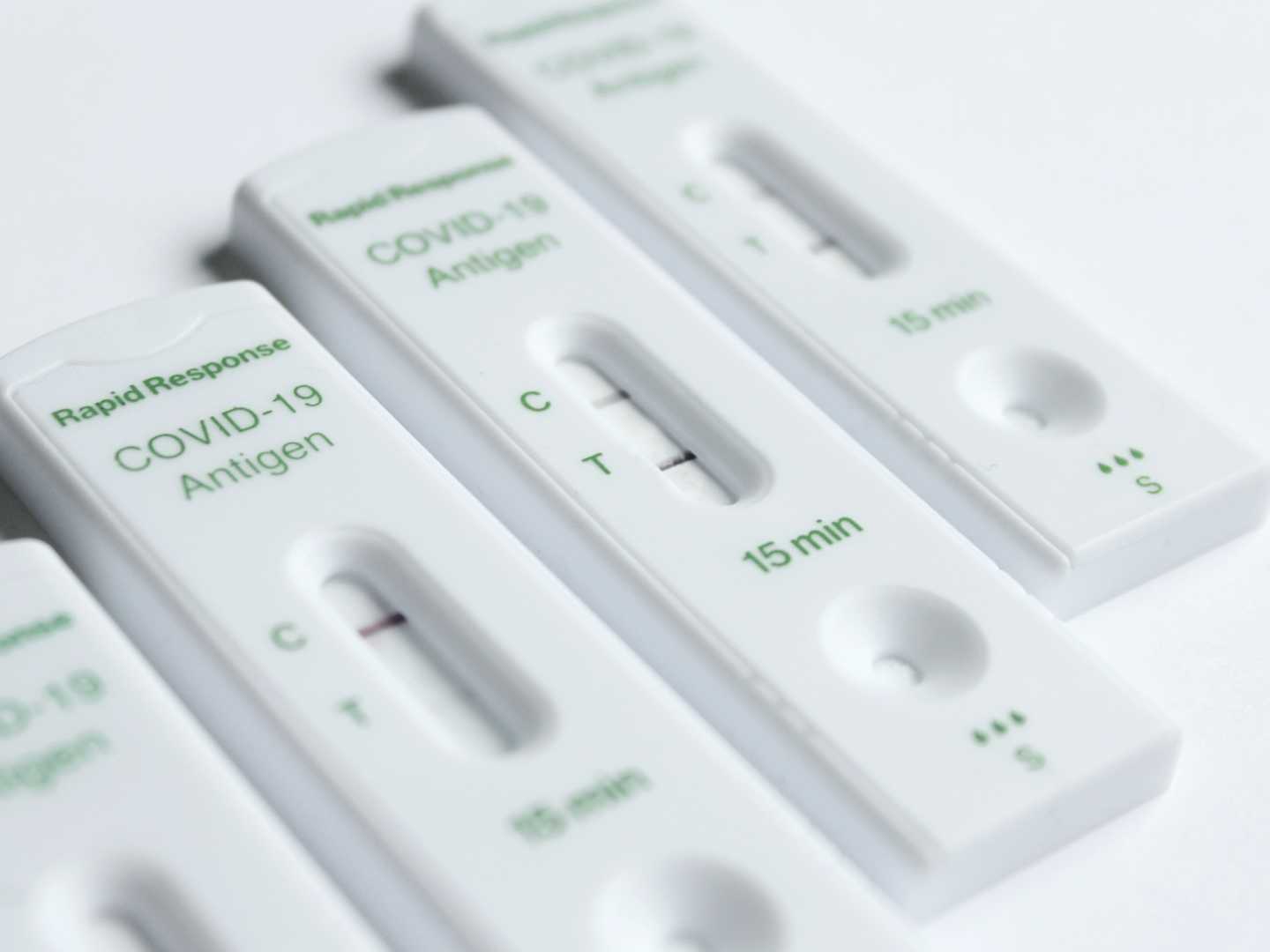
Some rapid tests use enzymes as labels rather than as analyte-conversion reagents. After the target is captured by an antibody or other recognition molecule, the enzyme converts a substrate into a visible, fluorescent, or luminescent signal.
Frequently used reporter enzymes include:
Reporter-enzyme selection should account for conjugation efficiency, retained activity, substrate compatibility, membrane background, reaction speed, and signal stability.
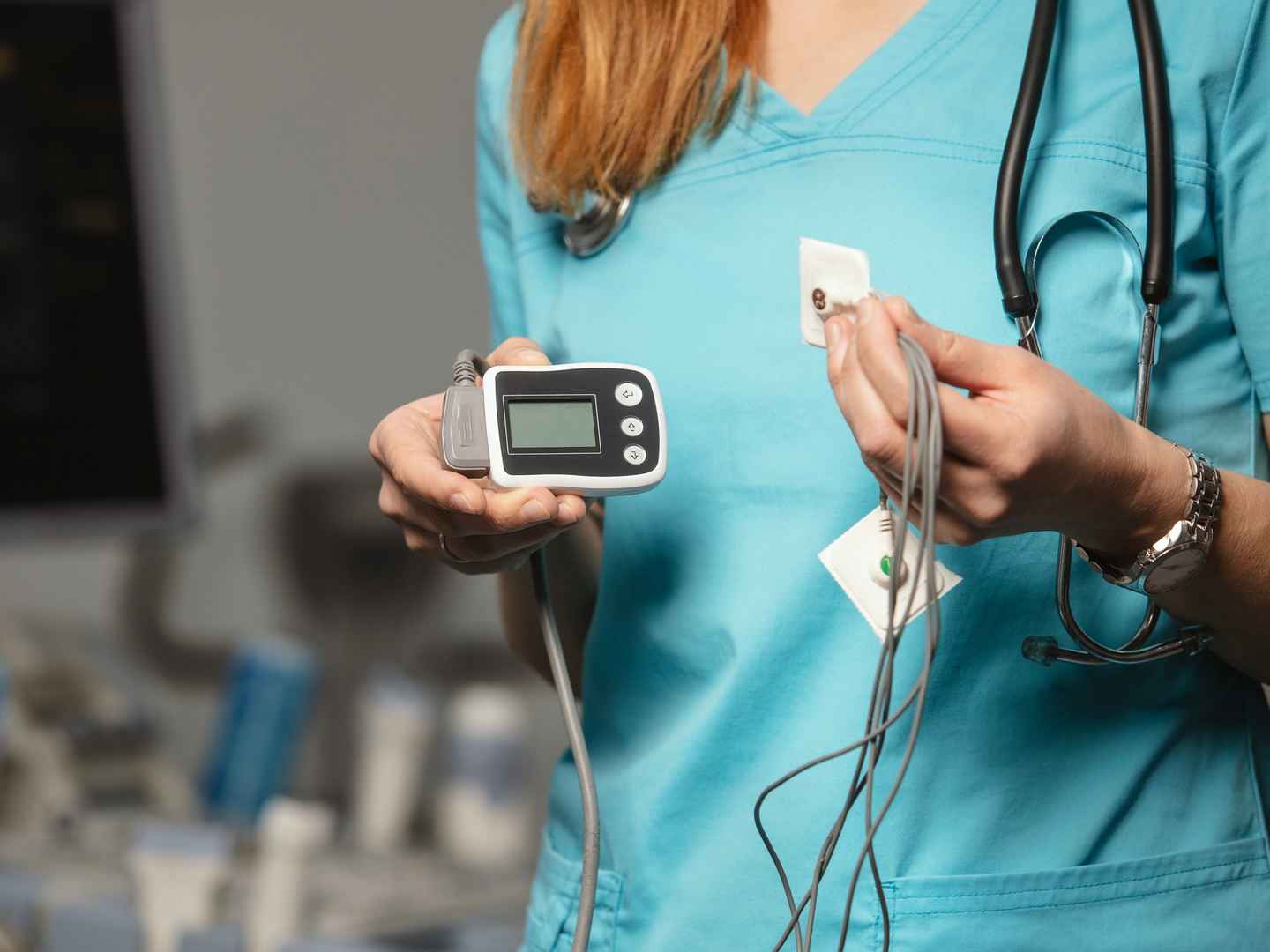
Wearable biosensors require enzymes that retain activity during prolonged contact with electrodes, membranes, hydrogels, or interstitial-fluid sampling systems. FDA-reviewed continuous glucose biosensors use disposable electrochemical sensors to provide repeated or continuous measurements.
Relevant development priorities include:
Uniform enzyme deposition and cross-linking can improve electrochemical sensor reproducibility and analytical performance.
| Target or Function | Representative Enzymes | Detection Principle | Typical Platform |
|---|---|---|---|
| Glucose | Glucose oxidase, FAD-GDH, PQQ-GDH, pyranose oxidase | Peroxide or mediator-dependent electron transfer | Test strips, meters, wearable sensors |
| Lactate | Lactate oxidase, lactate dehydrogenase | Electrochemical or NADH-linked detection | Blood analyzers, handheld meters |
| Ketone bodies | D-3-Hydroxybutyrate dehydrogenase | NAD-dependent or mediator-based reaction | Ketone meters, multi-analyte strips |
| Uric acid | Uricase | Hydrogen peroxide generation | Test strips, electrochemical sensors |
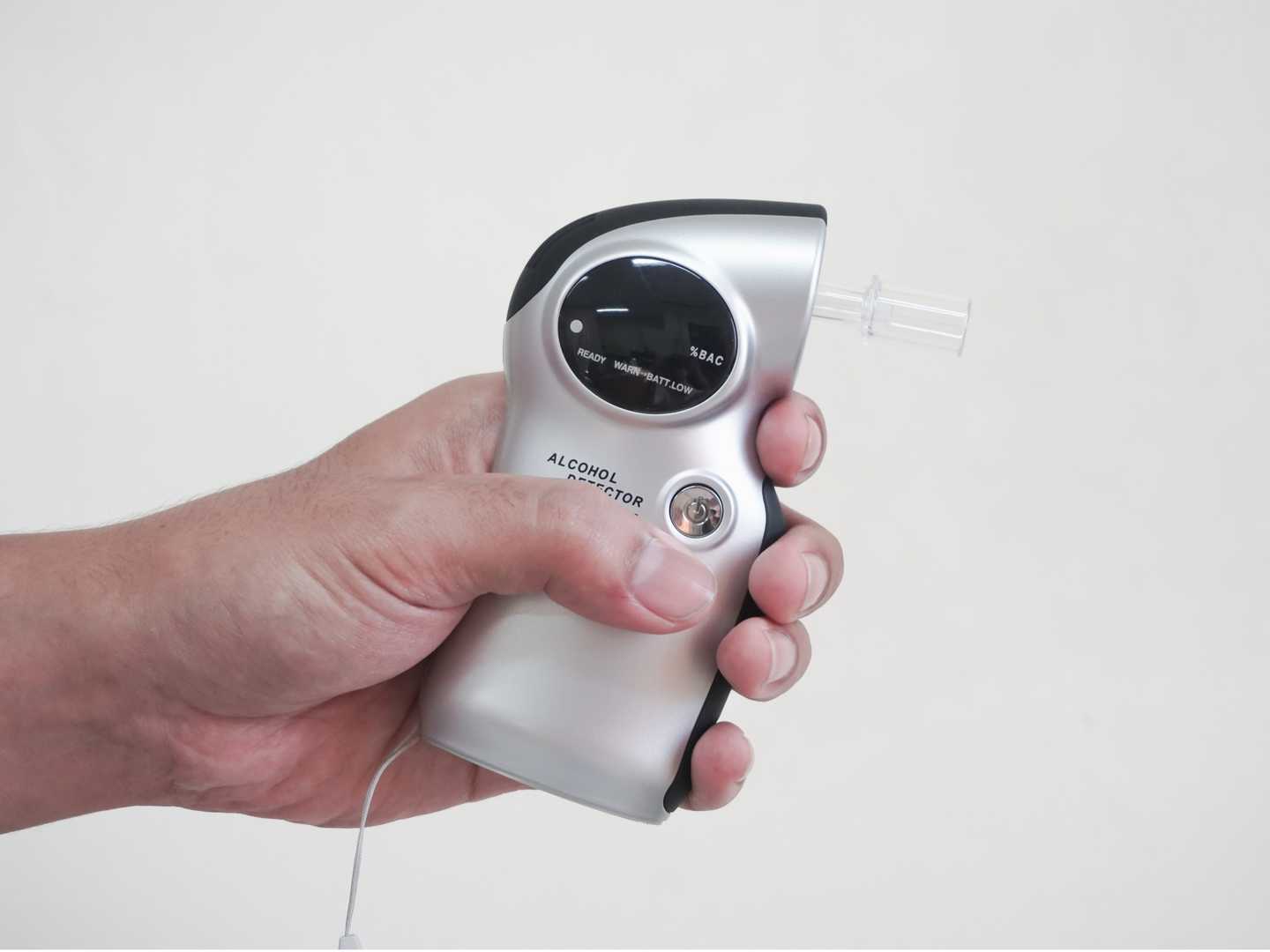
| Ethanol | Alcohol oxidase, alcohol dehydrogenase | Peroxide or NADH generation | Breath, saliva, and fluid sensors |
| Free fatty acids | Acyl-CoA synthetase, acyl-CoA oxidase | Coupled peroxide generation | Portable chemistry and biosensors |
| Immunoassay signal | HRP, alkaline phosphatase, β-galactosidase | Colorimetric, fluorescent, or luminescent signal | Lateral flow, cartridges, portable readers |
| Interference control | Ascorbate oxidase, catalase | Removal of interfering substances | Electrochemical and colorimetric systems |
| Cofactor-dependent reactions | NAD, NADP+, NADH, NADPH | Electron or hydrogen transfer | Multi-enzyme biosensor systems |
Determine whether the enzyme will be used in:
Each format places different demands on enzyme activity, stability, immobilization, and signal generation.
For electrochemical systems, evaluate:
For optical systems, evaluate chromogen, substrate, background signal, signal intensity, and instrument wavelength.
POCT assays may use:
Enzyme performance may be affected by hematocrit, oxygen, salts, proteins, pH, viscosity, anticoagulants, reducing substances, and endogenous electroactive compounds.
Important product attributes include:
Need Help Selecting an Enzyme for a Test Strip or Sensor?
Share your target analyte, detection principle, electrode or membrane material, sample type, response-time goal, and storage requirements.
Request Product Selection Support →
Q1. Which enzymes are commonly used in glucose test strips?
Q2. What is the difference between an assay enzyme and a reporter enzyme?
Q3. Why is dry-state stability important?
Q4. Can a standard liquid enzyme be used directly on an electrode?
Q5. Which enzymes help reduce electrochemical interference?
Q6. Can one enzyme be listed under both POCT and a disease-specific category?
Q7. Can you develop glycerol-free or lyophilization-ready enzymes?
