
Analyte release
Hydrolysis can convert an esterified, glycosylated, or phosphorylated precursor into a form that can be measured by the next reaction in the assay.

| Catalog | Product Name | EC No. | CAS No. | Source | Price |
|---|---|---|---|---|---|
| DIA-133 | Cholesterol Esterase from Schizophyllum commune | EC 3.1.1.13 | 9026-00-0 | Schizophyllum commune | Inquiry |
| DIA-134 | Cholesterol Esterase from Pseudomonas sp. | EC 3.1.1.13 | 9026-00-0 | Pseudomonas sp. | Inquiry |
| DIA-135 | Cholesterol Esterase from Microorganism | EC 3.1.1.13 | 9026-00-0 | Microorganism | Inquiry |
| DIA-185 | Native Microorganism Creatine Amidohydrolase | EC 3.5.3.3 | 37340-58-2 | Microorganism | Inquiry |
| DIA-190 | Native Rhizopus sp. Glucoamylase | EC 3.2.1.3 | 9032-08-0 | Rhizopus sp. | Inquiry |
| DIA-194 | Native Microorganism α-Glucosidase (MALTASE) | EC 3.2.1.20 | 9001-42-7 | Microorganism | Inquiry |
| DIA-195 | Native Sweet almond β-Glucosidase | EC 3.2.1.21 | 9001-22-3 | Sweet almond | Inquiry |
| DIA-417 | Sphingomyelinase from Microorganism | EC 3.1.4.12 | Microorganism | Inquiry | |
| DIA-418 | Peptide N-Glycosidase F | Inquiry |
Hydrolases catalyze bond cleavage through the addition of water. In diagnostic reagent systems, they can release a measurable analyte, remove an interfering group, prepare a sample for analysis, or generate a detectable signal.
Hydrolases form a broad enzyme class that includes esterases, glycosidases, phosphatases, amidases, proteases, and nucleases. These enzymes all catalyze hydrolysis, but they act on different bonds and substrates. A cholesterol esterase, for example, is selected to release free cholesterol from cholesterol esters, whereas an alkaline phosphatase may be used to convert a phosphorylated substrate into a measurable signal.
The correct choice therefore depends on the reaction required by the assay. The substrate structure, sample matrix, buffer composition, reaction time, and downstream detection chemistry are usually more informative than the EC class alone.
Hydrolysis can convert an esterified, glycosylated, or phosphorylated precursor into a form that can be measured by the next reaction in the assay.
Proteases and nucleases can remove matrix components, release target material, or reduce background before amplification or detection.
Reporter hydrolases, including phosphatases, convert chromogenic, fluorogenic, or chemiluminescent substrates into detectable products.
Nucleases and related enzymes can process nucleic acids at a defined stage, provided that residual activity does not interfere with later reactions.
The following categories are useful starting points for product selection. The final decision should be based on the intended substrate and the conditions of the complete reagent system.
These enzymes cleave ester bonds. In diagnostic chemistry, they are commonly used when an analyte must be released from an esterified precursor.
Check: substrate dispersion, surfactant compatibility, and reaction rate.
Glycosidases cleave specific glycosidic linkages and may be used in carbohydrate analysis, glycan processing, or sample conditioning.
Check: sugar identity, linkage position, and neighboring structures.
Phosphatases remove phosphate groups and are widely used as reporter enzymes or as reagents for dephosphorylation.
Check: substrate range, metal-ion requirements, and endogenous phosphatase background.
These enzymes hydrolyze carbon–nitrogen bonds in metabolite-conversion reactions and other analytical systems.
Check: substrate specificity, reaction products, and compatibility with the indicator reaction.
Proteolytic enzymes digest proteins during sample preparation or expose target material for subsequent analysis.
Check: digestion efficiency, target recovery, and the effect on downstream enzymes.
Nucleases cleave DNA or RNA and are used for nucleic-acid removal, controlled digestion, and molecular assay preparation.
Check: nucleic-acid form, cleavage mode, metal-ion dependence, and inactivation method.
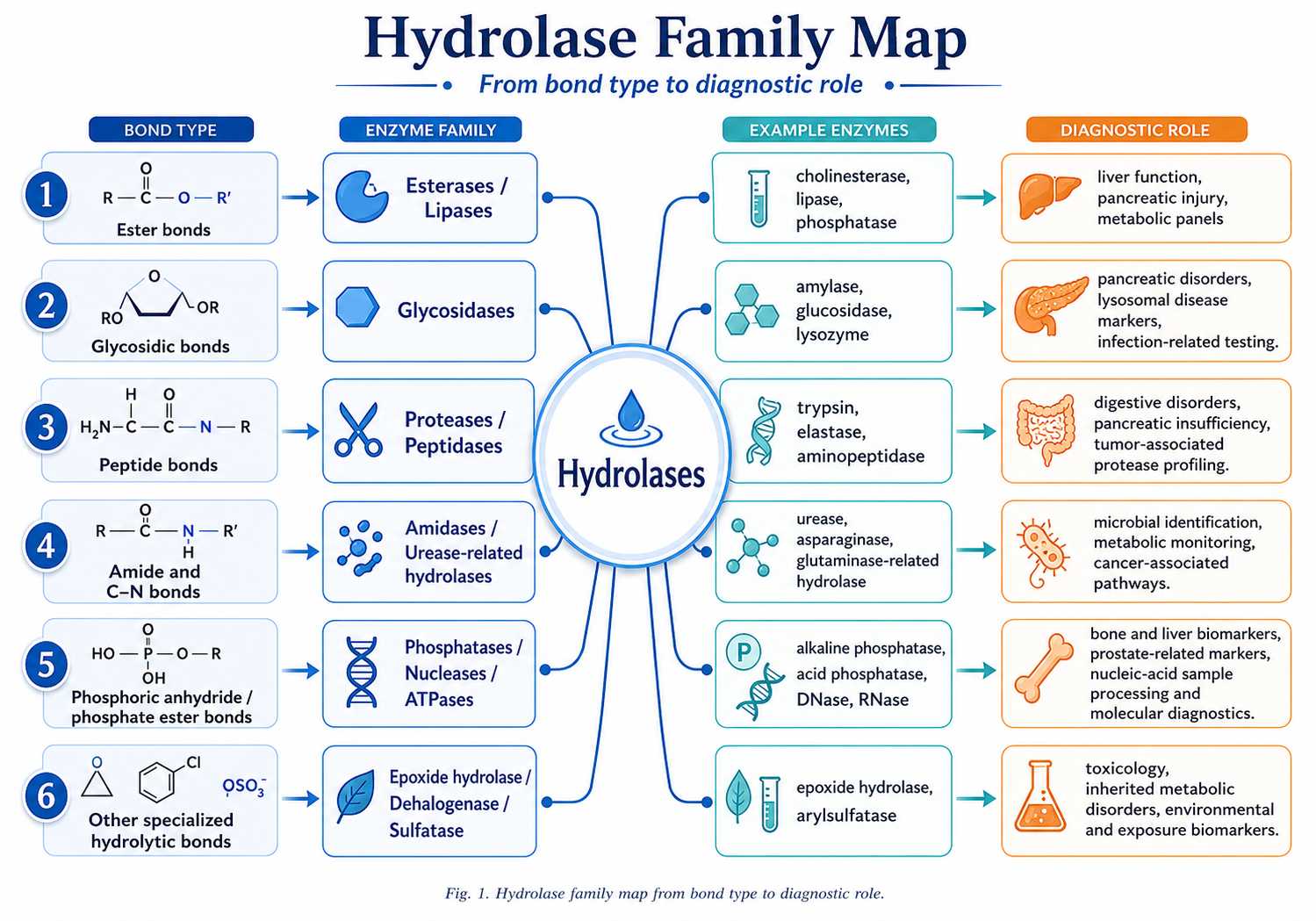 Fig 1. Hydrolase family map from bond type to diagnostic role.
(Creative Enzymes Diagnostic)
Evaluate candidates under the conditions in which the enzyme will actually be used. Testing only with a purified model substrate can overlook inhibition, poor substrate access, or interference from other reagent components.
| Selection factor | How to evaluate it | Why it matters |
|---|---|---|
| Substrate and bond specificity | Define the substrate, the bond or linkage position, and any neighboring chemical groups. | Hydrolases within the same broad class may act on different substrates or produce different cleavage patterns. |
| Substrate presentation | Use the same solvent, surfactant, particle size, or surface-bound format planned for the assay. | Limited substrate access can reduce apparent activity even when the enzyme is active with a soluble model substrate. |
| Buffer compatibility | Test the intended pH, salts, metal ions, detergents, preservatives, and other additives together. | These components can alter enzyme activity, substrate availability, or assay background. |
| Reaction time and endpoint | Measure the reaction over the required time and substrate concentration range. | The enzyme must provide sufficient conversion without exhausting the substrate or extending beyond the measurement window. |
| Stopping or removal | Confirm heat inactivation, chemical quenching, inhibitor treatment, or physical removal in the full workflow. | Residual activity may continue to change the sample or damage downstream reagents. |
| Coupled detection system | Titrate the hydrolase together with the indicator enzyme, substrate, and instrument settings. | The detection step must remain responsive across the required analytical range. |
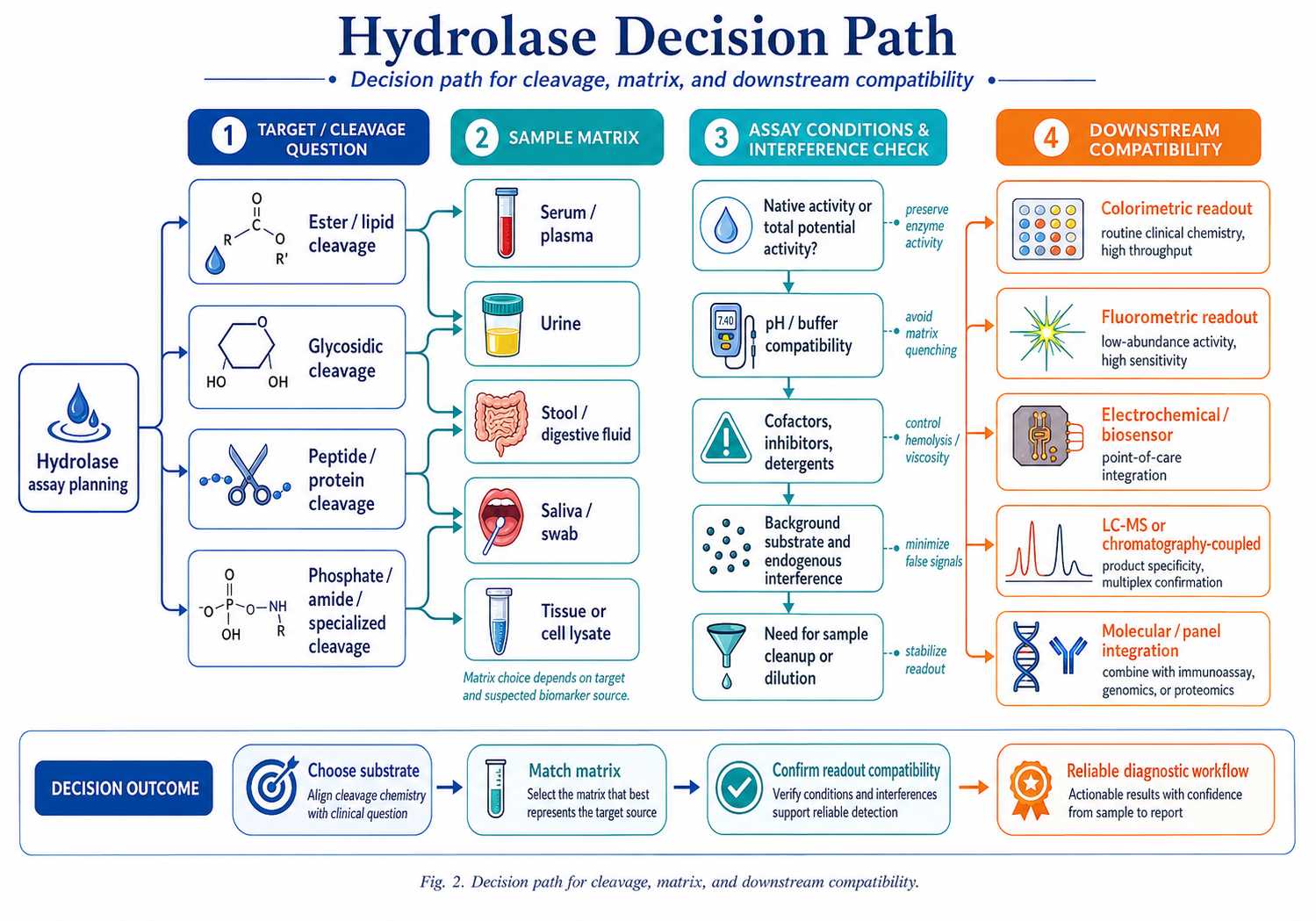 Fig 2. Decision path for cleavage, matrix, and downstream compatibility.
(Creative Enzymes Diagnostic)
Creative Enzymes supplies hydrolases for diagnostic assay development, molecular workflows, and reagent manufacturing. Select a product name to view the corresponding product page.
| Product | Catalog | EC number | Source | Activity |
|---|---|---|---|---|
| Cholesterol Esterase from Candida Rugosa | NATE-1679 | EC 3.1.1.13 | Candida Rugosa | 25-100 U/mg |
| Native Calf Alkaline Phosphatase | NATE-0054 | EC 3.1.3.1 | Calf intestine | > 2,000 units/mg protein |
| Adenosine deaminase, Recombinant | NATE-1009 | EC 3.5.4.4 | E. coli | 200U/mg protein |
| Peptide N-Glycosidase F | DIA-418 | ≥ 500,000 U/mL | ||
| DNase I (Glycerol-free) | DIA-469 | |||
| Proteinase K (PRK) from Tritirachium album | DIA-421 | EC 3.4.21.64 | Recombinant Tritirachium album | ≥ 30 U/mg |
Activity values depend on the assay method used for each product. Review the product-specific activity definition and test conditions before comparing concentrations or unit values.
A product specification confirms the identity and stated activity of the material. Application qualification determines whether that material performs correctly in the customer's reagent system. Both are needed before a hydrolase is introduced into routine research or manufacturing.
Specify the substrate, expected product, sample matrix, reaction conditions, measurement window, and acceptance criteria.
Compare specificity, activity definition, cofactor requirements, formulation, and handling against the assay design.
Evaluate the enzyme with representative samples, partner reagents, controls, and the intended detection instrument. Measure both the desired response and any increase in background.
Set requirements for incoming activity testing, formulation, storage, stability, lot bridging, packaging, and change notification.
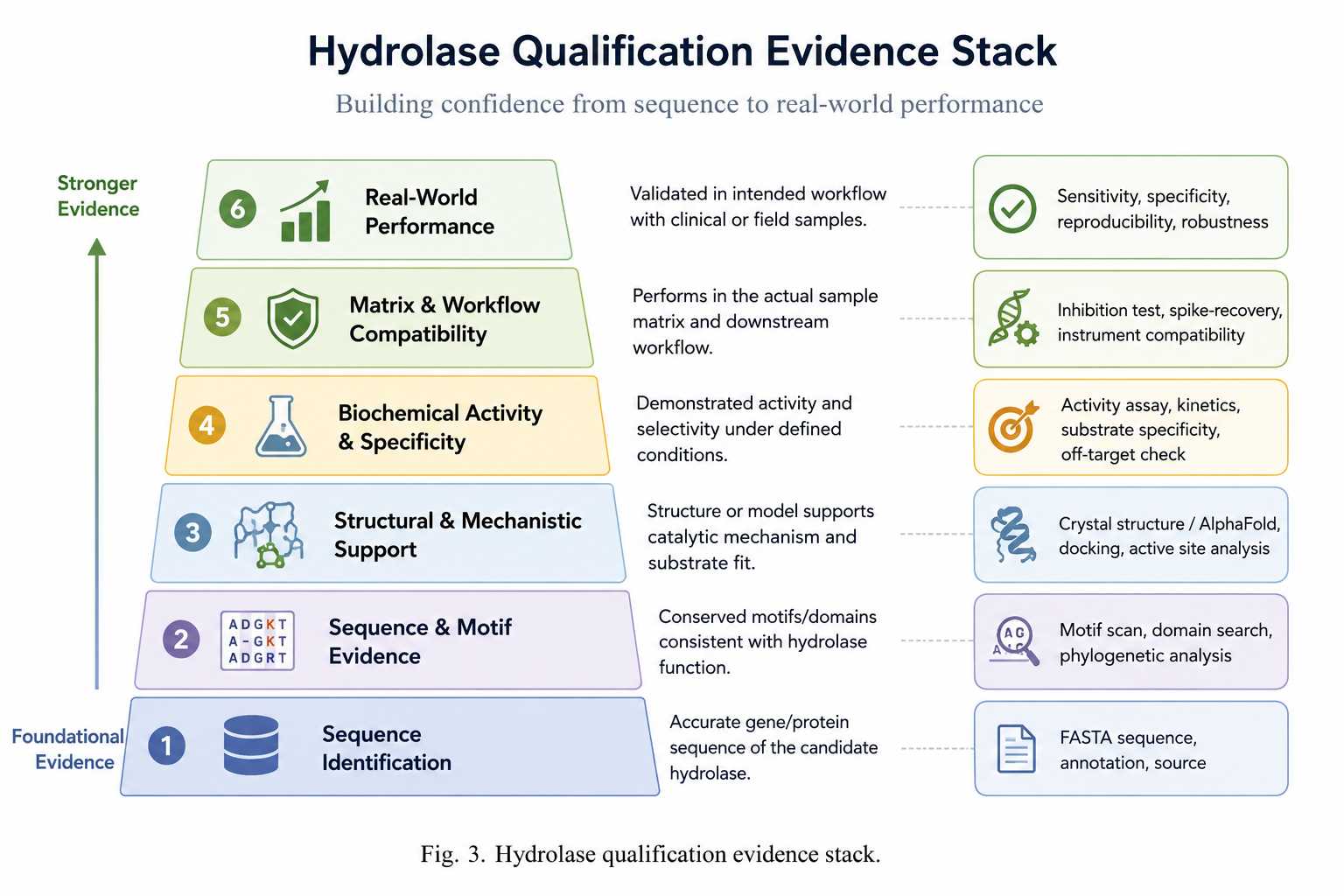 Fig 3. Hydrolase qualification evidence stack.
(Creative Enzymes Diagnostic)
For product selection or supply discussions, provide the substrate and required reaction, sample matrix, buffer composition, temperature, reaction time, detection method, target activity range, final reagent format, expected manufacturing scale, and documentation requirements.
No. The EC classification identifies the general reaction, but practical selection also depends on substrate specificity, reaction conditions, formulation, activity definition, and sample matrix.
Unit definitions may use different substrates, temperatures, pH values, and endpoints. Compare candidates with one common method that reflects the intended assay.
Matrix testing should begin during candidate screening. Endogenous inhibitors, proteins, lipids, salts, and detergents can change activity or background.
Titrate the hydrolysis step and the indicator reaction together. This shows whether either reaction limits the signal across the required analytical range.
Inactivation or removal is important when residual hydrolysis could continue changing the sample, consume a reagent, or interfere with a downstream enzyme.
Include the intended application, activity method, formulation constraints, target concentration, annual or batch quantity, packaging, storage, stability, and quality-documentation needs.