
Adapter ligation
Ligases attach adapters to DNA or RNA so molecules can be amplified, indexed, captured, or sequenced.

| Catalog | Product Name | EC No. | CAS No. | Source | Price |
|---|---|---|---|---|---|
| DIA-433 | Glutamine Synthetase (GST) from Microorganism | EC 6.3.1.2 | Microorganism | Inquiry | |
| DIA-544 | High Purity Succinyl Coenzyme A Synthetase | EC 6.2.1.5 | 9080-33-5 | Prokaryote | Inquiry |
| DIA-881 | T4RNA Ligase | EC 6.5.1.3 | Inquiry | ||
| NATE-1712 | Acyl-CoA synthetase from Microorganism | EC 6.2.1.3 | 9013-18-7 | Microorganism | Inquiry |
Ligases form covalent bonds between compatible nucleic-acid ends. Their performance in library preparation, probe assembly, circularization, and junction detection depends on end chemistry, substrate structure, cofactor system, and control of unwanted ligation products.
DNA and RNA ligases seal a phosphodiester bond between a 3′ hydroxyl and a 5′ phosphate, but they differ in substrate preference, cofactor use, temperature range, and tolerance for mismatched or structured junctions. A ligase chosen for rapid cloning is not automatically suitable for adapter ligation or a sequence-discrimination assay.
The useful output is the correct junction, not simply a high amount of joined material. Adapter dimers, self-ligated probes, concatemers, and off-target products can consume reagents and reduce the fraction of molecules that enter amplification or sequencing. Product yield and product identity therefore need to be measured together.
Ligases attach adapters to DNA or RNA so molecules can be amplified, indexed, captured, or sequenced.
A correctly hybridized probe can be sealed into a circle for rolling-circle amplification or other closed-template workflows.
Thermostable ligases can support assays in which ligation occurs preferentially at a correctly matched target junction.
Ligation can complete a multi-enzyme end-repair or assembly workflow after termini have been prepared to the required chemistry.
Ligase selection begins with nucleic-acid type and junction structure. Temperature, ATP or NAD dependence, sequence context, and downstream workflow then separate candidates within that group.
A widely used ATP-dependent enzyme for sealing nicks and joining compatible DNA ends in assembly and library workflows.
Check: end phosphorylation, adapter concentration, and self-ligation.
Ligases such as Taq DNA ligase operate at elevated temperatures and can support cycling or stringent junction recognition.
Check: NAD dependence, mismatch position, and cycling conditions.
This ATP-dependent enzyme joins single-stranded RNA termini and can also ligate selected oligonucleotide substrates.
Check: RNA structure, end chemistry, and sequence bias.
Using an activated donor can reduce ATP-driven adapter dimer formation in selected library designs.
Check: donor adenylation state and enzyme compatibility.
Substrate-specific enzymes may favor single-stranded DNA or RNA circularization under defined conditions.
Check: minimum length, secondary structure, and circular product confirmation.
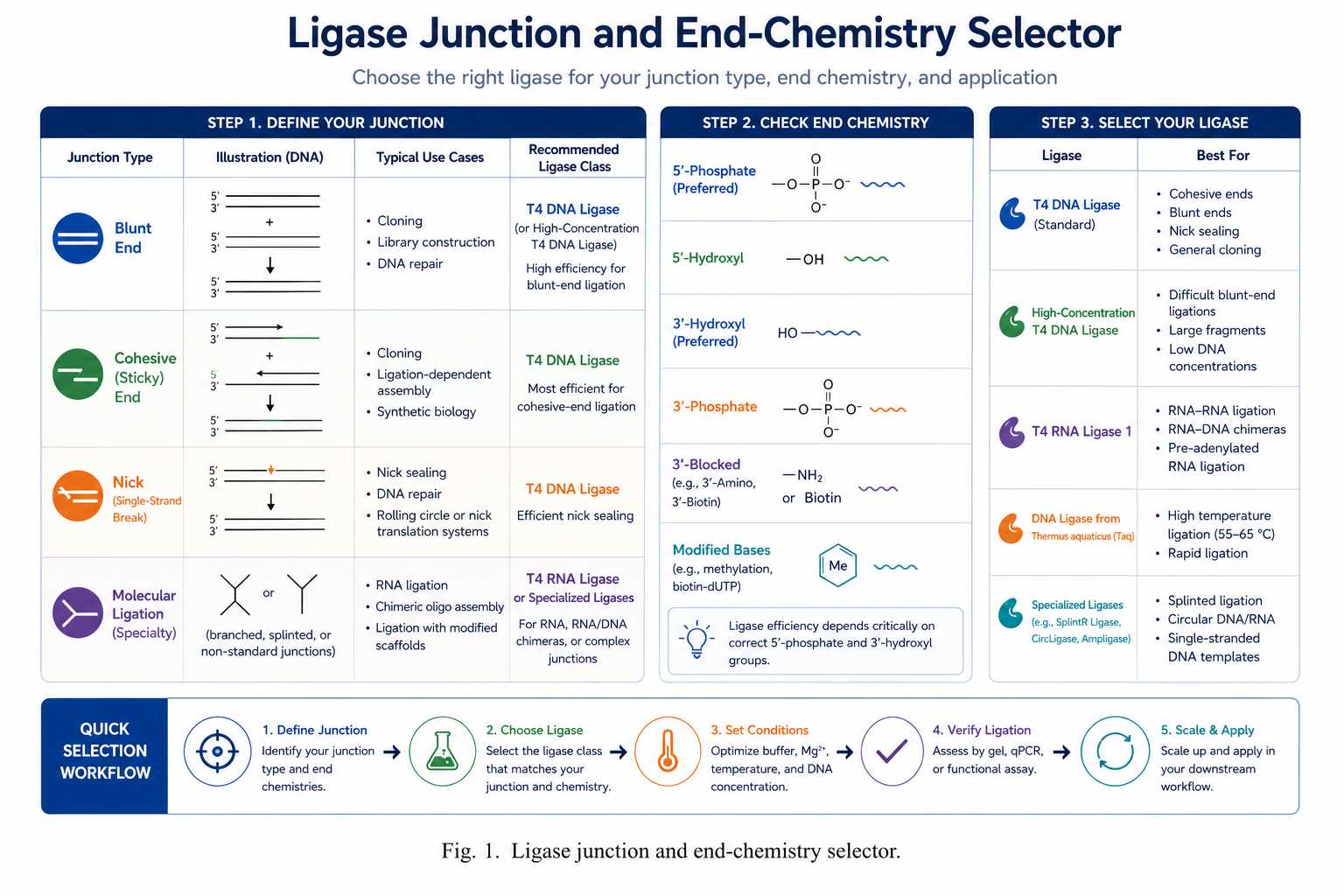 Fig 1. Ligase junction and end-chemistry selector.
(Creative Enzymes Diagnostic)
Use substrates that reproduce the intended ends, modifications, sequence context, and concentration. A generic nick-sealing assay does not reveal adapter bias or mismatch discrimination.
| Selection factor | How to evaluate it | Why it matters |
|---|---|---|
| Nucleic-acid type and structure | Define DNA or RNA, strand state, length, secondary structure, and whether the junction is intramolecular or intermolecular. | Ligases differ substantially in their ability to access and join structured or single-stranded substrates. |
| End chemistry | Confirm 5′ phosphorylation or adenylation, 3′ hydroxyl availability, overhang type, and terminal modifications. | Incorrect end chemistry prevents the desired phosphodiester bond even when the enzyme is active. |
| Cofactor and buffer system | Test ATP or NAD, magnesium, salts, reducing agents, crowding agents, and additives together. | The cofactor system controls catalysis and can also influence side products and downstream reactions. |
| Temperature and mismatch behavior | Measure correct and incorrect junctions across the planned temperature or cycling profile. | Stringency depends on duplex stability, mismatch position, sequence, and ligase kinetics. |
| Desired product and artifacts | Quantify the correct junction, adapter dimers, concatemers, and unligated material with a suitable analytical method. | Total ligated material can look high while usable library or probe product remains low. |
| Downstream compatibility | Carry ligated material into amplification, reverse transcription, sequencing, or detection without changing the cleanup strategy. | Residual enzyme, ATP, salts, and side products may reduce performance after ligation. |
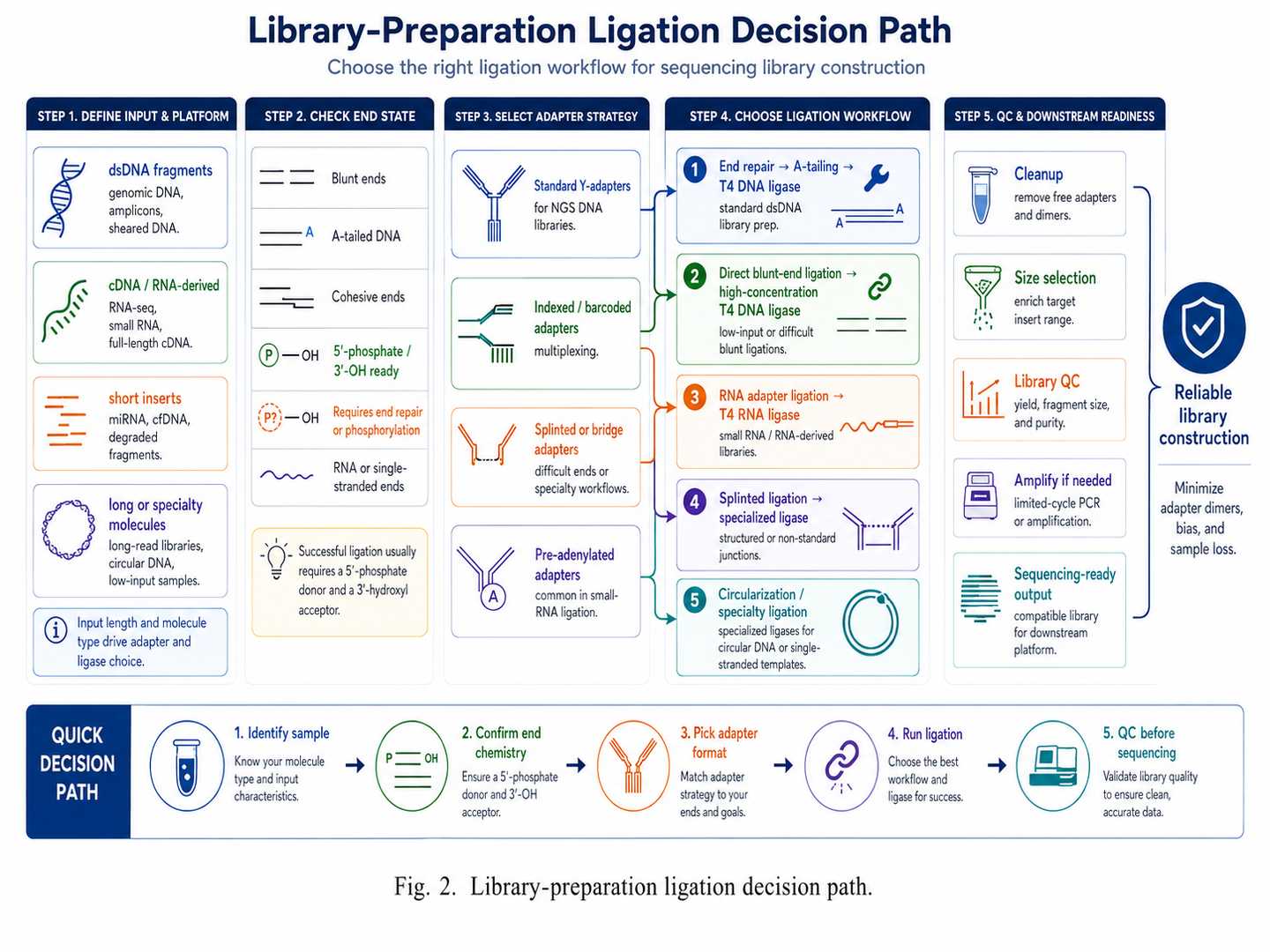 Fig 2. Library-preparation ligation decision path.
(Creative Enzymes Diagnostic)
Creative Enzymes supplies DNA and RNA ligases for molecular assay research, library preparation, and reagent development. Select a product name to review the corresponding information.
| Product | Catalog | EC number | Source | Activity |
|---|---|---|---|---|
| T4 RNA Ligase 1 | DIA-576 | |||
| Taq DNA Ligase | DIA-578 | |||
| T4 DNA Ligase (Rapid) | DIA-584 | Escherichia coli |
Activity values use product-specific assay definitions. Review the stated method and test conditions before comparing unit values across materials.
A useful ligation process must deliver the correct junction reproducibly and leave the material compatible with the next step. Qualification should therefore follow the substrate from input through downstream detection.
Describe termini, modifications, strand state, sequence diversity, concentration, and expected secondary structure.
Screen enzyme, cofactor, temperature, time, and substrate ratios while measuring the intended junction and major artifacts.
Evaluate amplification, reverse transcription, sequencing, or probe detection using the same cleanup and carryover conditions planned for the assay.
Establish incoming activity, formulation limits, storage, freeze–thaw handling, lot bridging, and an application-relevant release method.
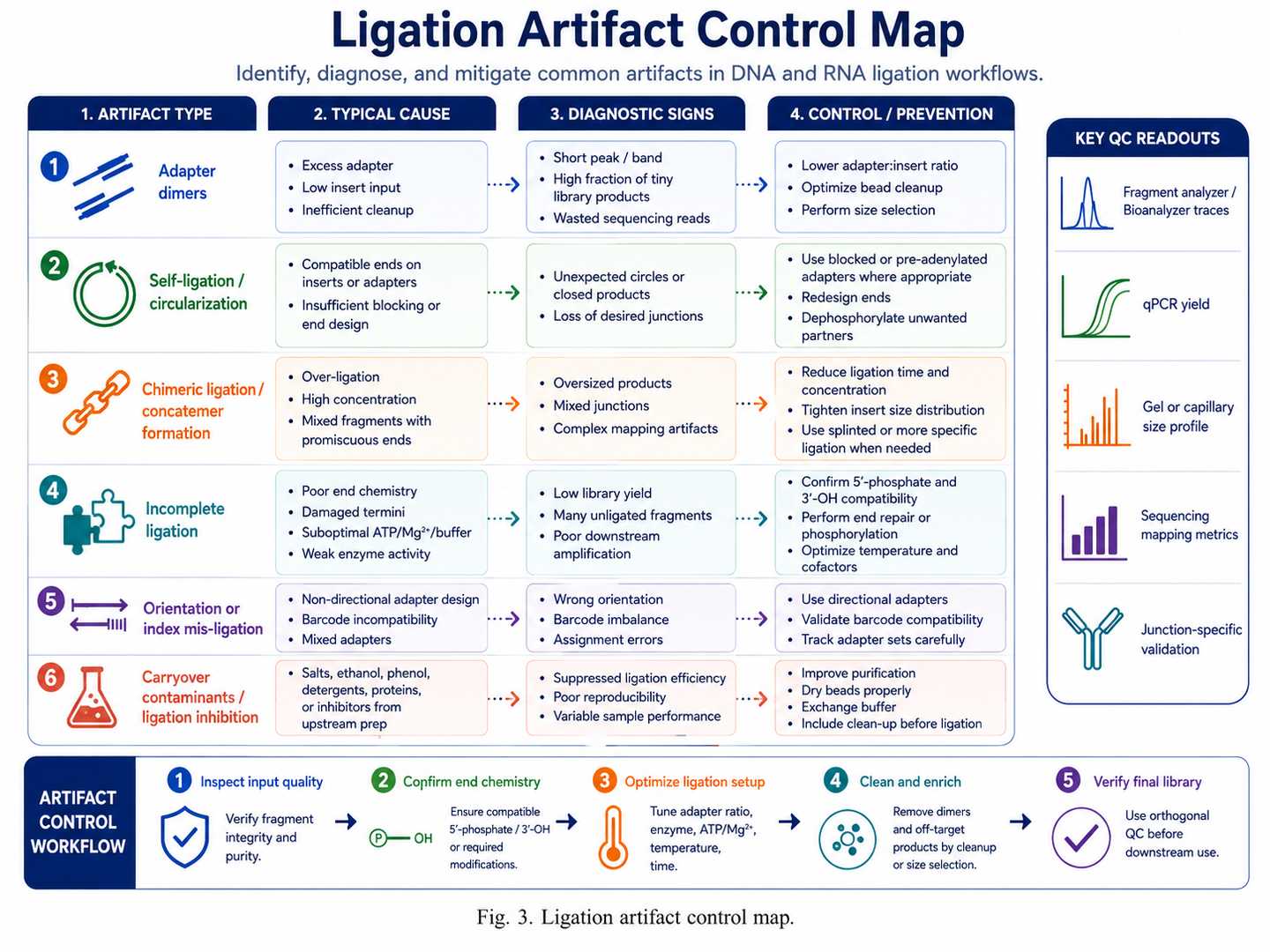 Fig 3. Ligation artifact control map.
(Creative Enzymes Diagnostic)
Provide the nucleic-acid type, sequences or diversity, end chemistry, substrate concentration, desired junction, temperature profile, cofactor constraints, acceptable artifacts, downstream workflow, format, and scale.
Define the nucleic-acid type and exact end chemistry. A 5′ phosphate, 3′ hydroxyl, pre-adenylated donor, blunt end, or overhang can require a different ligation strategy.
The measured material may include adapter dimers, concatemers, or incorrect junctions. Product identity must be assessed together with total conversion.
It is useful when elevated temperature or thermal cycling improves junction stringency, but the intended sequence and mismatch panel must be tested directly.
Test the actual RNA termini, secondary structures, sequence diversity, adapter ratio, ATP condition, and compatibility with the next enzymatic step.
Not reliably. Unit assays may use different substrates and endpoints. Compare enzymes with a common junction-specific method under application conditions.
Confirm activity definition, formulation, cofactor requirements, storage, freeze–thaw limits, acceptable artifact profile, and lot-to-lot functional performance.
These sources support the scientific classification and technical selection criteria. Product specifications must be confirmed in current Creative Enzymes documentation.