
| Catalog | Product Name | EC No. | CAS No. | Source | Price |
|---|---|---|---|---|---|
| BDE-021 | Native Cholesterol Oxidase (CO) from Microorganism | EC 1.1.3.6 | Microorganism | Inquiry | |
| BDE-022 | Native Cholesterol Esterase (CE) from Microorganism | EC 3.1.1.13 | Microorganism | Inquiry | |
| BDE-023 | Native Lipoprotein Lipase (LPL) from Microorganism | EC 3.1.1.34 | Microorganism | Inquiry | |
| BDE-024 | Native L-Glycerol-3-phosphate Oxidase (G3PO) from Microorganism | EC 1.1.3.21 | Microorganism | Inquiry | |
| BDE-025 | Native 3-α-hydroxysteroid Dehydrogenase (3α-HSD) from Microorganism | EC 1.1.1.50 | Microorganism | Inquiry | |
| BDE-035 | Native Diaphorase (DPH) from Microorganism | EC 1.6.5.2 | 9001-18-7 | Microorganism | Inquiry |
| BDE-036 | Native β-Hydroxybutyrate Dehydrogenase (β-HBDH) from Microorganism | EC 1.1.1.30 | 9028-38-0 | Microorganism | Inquiry |
| DIA-133 | Cholesterol Esterase from Schizophyllum commune | EC 3.1.1.13 | 9026-00-0 | Schizophyllum commune | Inquiry |
| DIA-134 | Cholesterol Esterase from Pseudomonas sp. | EC 3.1.1.13 | 9026-00-0 | Pseudomonas sp. | Inquiry |
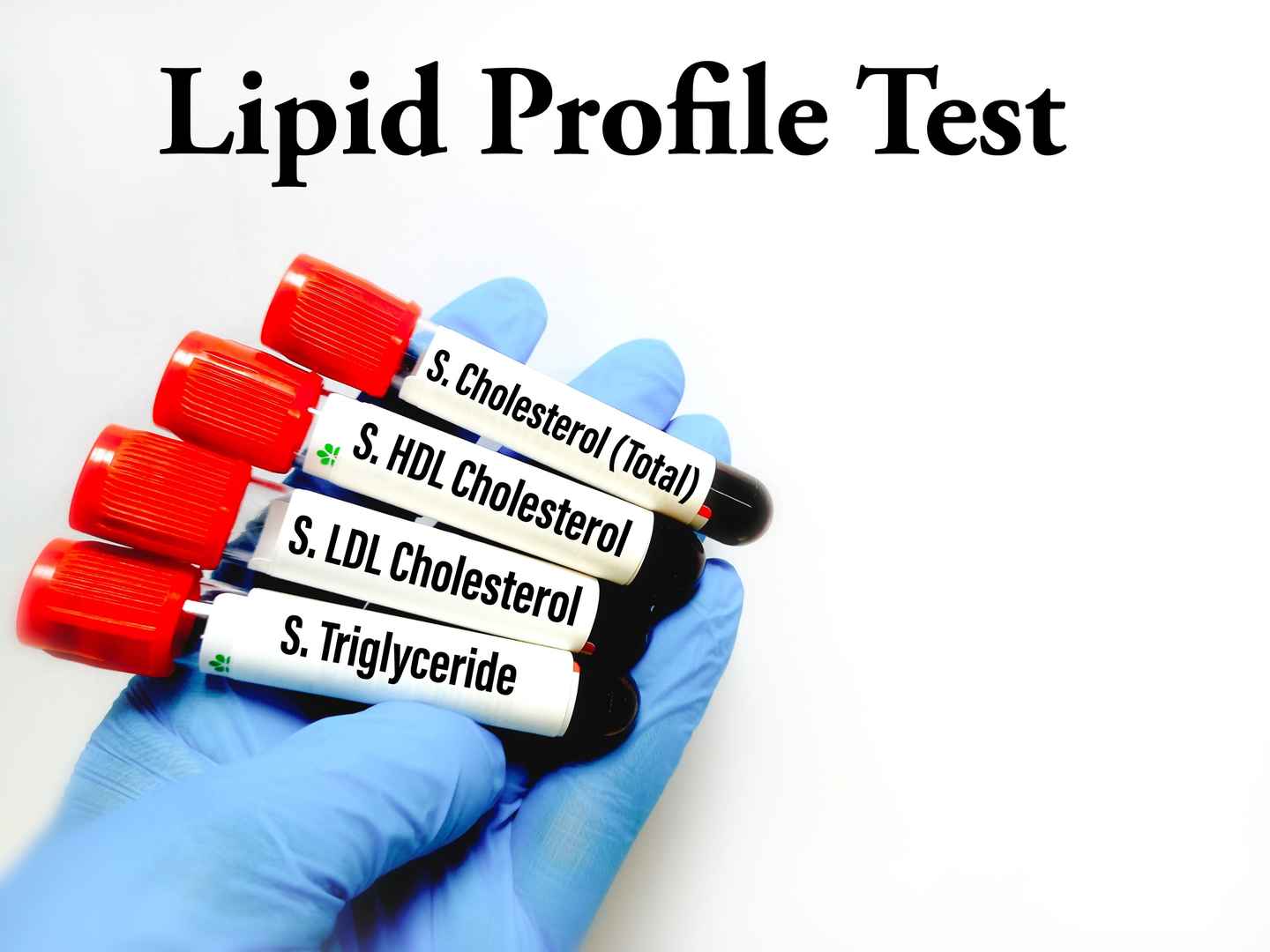
Lipid testing supports the quantitative analysis of cholesterol, triglycerides, lipoprotein-associated cholesterol, free fatty acids, phospholipids, and other lipid-derived metabolites. Routine lipid profiles commonly include total cholesterol, triglycerides, HDL cholesterol, and LDL cholesterol, while specialized assays may evaluate additional lipid fractions or metabolic products. CDC reference and standardization programs cover major lipid measurands, including total cholesterol, total glycerides, HDL-C, and LDL-C.
Enzymes are central to many lipid assays because hydrophobic lipid molecules often need to be hydrolyzed, solubilized, oxidized, or converted through coupled reactions before they can generate a measurable optical or electrochemical signal.
Creative Enzymes supplies primary reaction enzymes, coupling enzymes, oxidases, dehydrogenases, and signal-generation enzymes for clinical chemistry reagents, automated analyzers, biosensors, point-of-care systems, and diagnostic assay development.
A common enzymatic cholesterol assay uses cholesterol esterase to hydrolyze cholesterol esters into free cholesterol and fatty acids. Cholesterol oxidase then converts cholesterol into cholestenone while generating hydrogen peroxide. The hydrogen peroxide can be detected through a peroxidase-coupled color reaction.
The principal enzymes include:
Diagnostic cholesterol oxidase and cholesterol esterase products are used in reagent systems for total cholesterol and may also form part of direct HDL-C and LDL-C assay chemistries.
HDL-C and LDL-C assays measure the cholesterol associated with defined lipoprotein fractions rather than distinct cholesterol molecules. Direct homogeneous assays often combine selective detergents, masking agents, protective reagents, or differential reaction steps with cholesterol esterase and cholesterol oxidase.
The core enzymes may be similar to those used for total cholesterol, but their performance must be evaluated within the complete selective reagent system. Important properties include:
Direct LDL-C methods vary in their reaction architecture, and assay-specific selectivity cannot be inferred from enzyme activity alone.
A widely used enzymatic triglyceride reaction begins with hydrolysis of triglycerides by lipoprotein lipase. The released glycerol is phosphorylated by glycerol kinase and then oxidized by glycerol-3-phosphate oxidase, producing hydrogen peroxide for peroxidase-coupled detection.
A representative reaction sequence uses:
This enzyme combination is used in clinical triglyceride analysis and can be adapted to automated chemistry systems, microplate assays, and dry reagent formats.
Endogenous free glycerol can contribute to the measured signal in some triglyceride methods. Assays requiring greater triglyceride specificity may therefore include a glycerol-blanking or free-glycerol correction step before triglyceride hydrolysis.
Nonesterified or free fatty acid assays commonly use a coupled acyl-CoA reaction.
Acyl-CoA synthetase first converts fatty acids into acyl-CoA in the presence of ATP and coenzyme A. Acyl-CoA oxidase then oxidizes the acyl-CoA and generates hydrogen peroxide, which can be measured using peroxidase-based chemistry.
Representative enzymes include:
Both substrate-chain-length preference and compatibility with detergents should be considered because serum free fatty acids comprise a mixture of molecular species. Acyl-CoA synthetase and acyl-CoA oxidase are commercially used together for enzymatic fatty acid determination.
Phospholipid assays may use phospholipase D to release choline from phosphatidylcholine. Choline oxidase subsequently converts choline while producing hydrogen peroxide for colorimetric or electrochemical detection.
A typical system contains:
Phospholipase D and choline oxidase are offered specifically for enzymatic phospholipid determination in clinical analysis.
Some products in the lipid metabolism portfolio support assays for metabolites associated with lipid digestion, hepatic processing, or altered energy metabolism.
Examples include:
A 3α-HSD cycling reaction can use thio-NAD and NADH to amplify the analytical response to bile acids. D-3-hydroxybutyrate dehydrogenase supports enzymatic determination of β-hydroxybutyrate and acetoacetate, although these products may also be listed under small-metabolite testing.
| Target Analyte | Typical Reaction Strategy | Representative Enzymes | Common Platforms |
|---|---|---|---|
| Total cholesterol | Ester hydrolysis followed by cholesterol oxidation | Cholesterol esterase, cholesterol oxidase, peroxidase | Clinical chemistry analyzers, colorimetric kits, biosensors |
| HDL-C and LDL-C | Selective lipoprotein reaction combined with cholesterol conversion | Cholesterol esterase, cholesterol oxidase, catalase or peroxidase | Homogeneous direct assays, automated analyzers |
| Triglycerides | Lipolysis followed by glycerol phosphorylation and oxidation | Lipoprotein lipase, glycerol kinase, glycerol-3-phosphate oxidase, peroxidase | Automated chemistry, microplates, dry reagents |
| Free glycerol | Direct phosphorylation and oxidation | Glycerol kinase, glycerol-3-phosphate oxidase | Glycerol blanking, metabolic assays |
| Free fatty acids | Acyl-CoA formation followed by oxidation | Acyl-CoA synthetase, acyl-CoA oxidase, peroxidase | Colorimetric assays, automated analyzers |
| Phospholipids | Phospholipid hydrolysis followed by choline oxidation | Phospholipase D, choline oxidase, peroxidase | Clinical chemistry and research assays |
| Total bile acids | Enzymatic cycling of 3α-hydroxy bile acids | 3α-Hydroxysteroid dehydrogenase | Enzymatic cycling assays |
| Ketone bodies | NAD-dependent interconversion of β-hydroxybutyrate and acetoacetate | D-3-Hydroxybutyrate dehydrogenase | Clinical chemistry, POCT, biosensors |
| NAD(P)H-dependent lipid reactions | Transfer of reducing equivalents to a detectable dye | Diaphorase | Colorimetric coupled assays |
First determine whether the assay measures:
The target analyte determines whether the system requires a hydrolase, oxidase, kinase, ligase, dehydrogenase, or reporter enzyme.
Most lipid assays use multiple enzymes rather than a single catalyst. Each reaction should be sufficiently rapid so that the analytical response is not limited by an auxiliary step.
For example, a triglyceride assay must balance:
An enzyme with high activity in its standard assay may still be unsuitable if it becomes unstable or inhibited in the complete reagent formulation.
Lipid substrates are heterogeneous. Selection may depend on reactivity toward:
Supplier activity values should therefore be reviewed together with substrate-specificity data.
Lipid assays commonly require detergents or surfactants to solubilize hydrophobic substrates and selectively expose lipoprotein fractions. Important considerations include:
Low levels of contaminating enzymes may affect background or recovery in multi-enzyme systems. Relevant impurities may include:
The acceptable impurity profile depends on the reaction design and the concentration of the target analyte.
Need Help Selecting a Lipid Assay Enzyme?
Share your target analyte, reaction pathway, sample type, instrument platform, and required product format with our technical team.
Request Product Selection Support →
Q1. Which enzymes are commonly used in total cholesterol assays?
Q2. Are the same enzymes used for HDL-C and LDL-C assays?
Q3. Which enzymes are required for triglyceride testing?
Q4. Why is free glycerol important in triglyceride assays?
Q5. How are free fatty acids measured enzymatically?
Q6. Which enzymes are used for phospholipid testing?
Q7. Can one cholesterol oxidase be used in every cholesterol assay?
Q8. Can you provide glycerol-free or lyophilized enzymes?
Q9. Can you optimize a complete multi-enzyme lipid assay?
