
In modern healthcare, the shift from "one-size-fits-all" treatments to personalized therapy has transformed how diseases—especially cancer—are diagnosed and treated. At the center of this transformation are companion diagnostics (CDx), a class of diagnostic tests designed to identify patients who are most likely to benefit from a specific therapeutic product.
Understanding the CDx meaning, its function, and its integration into drug development is essential for pharmaceutical companies, diagnostic developers, and researchers working in precision medicine diagnostics, companion diagnostics, and biomarker-guided therapeutic development.
Companion diagnostics (CDx) are laboratory tests used to detect specific biomarkers that determine whether a patient is eligible for a targeted therapy.
A companion diagnostic is an in vitro diagnostic (IVD) device that provides information essential for the safe and effective use of a corresponding drug or biological product.
In essence, CDx acts as a decision-making tool that connects molecular biology with clinical treatment.
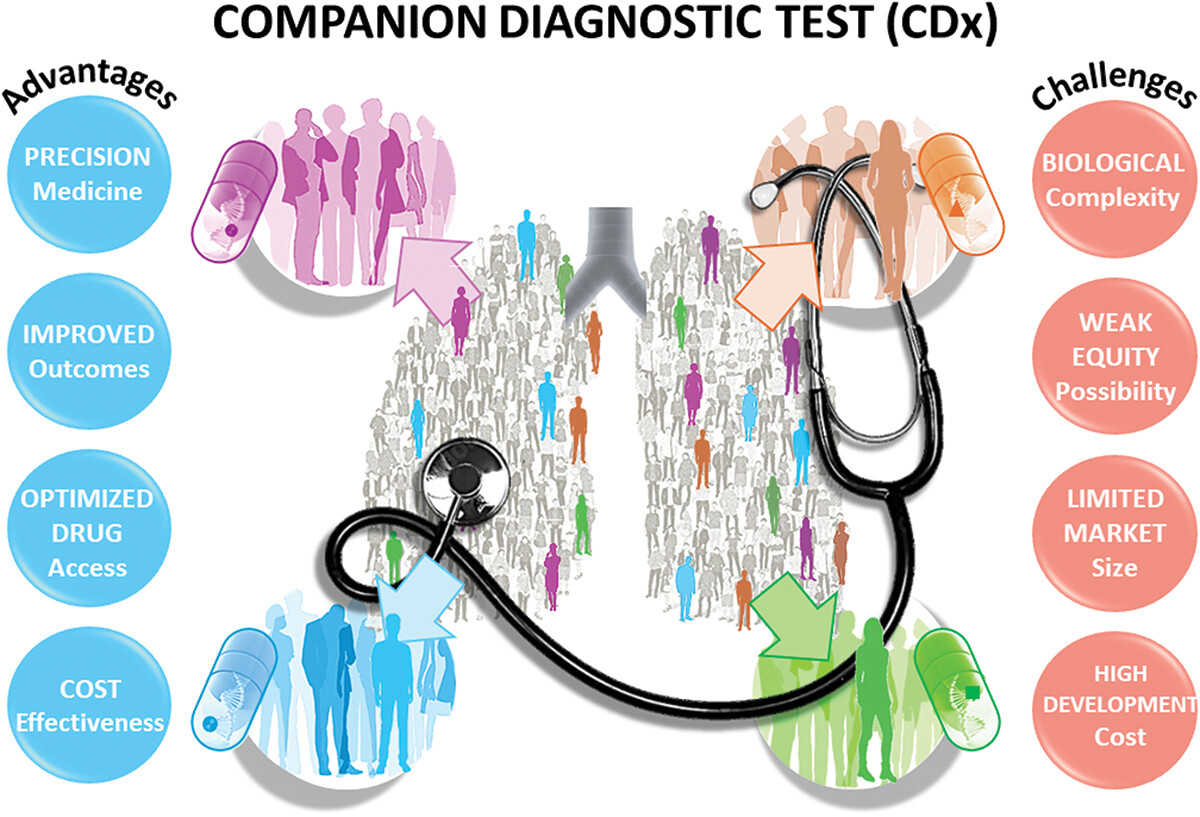
Figure 1. Some advantages and challenges in the field of development of a companion diagnostic test. (Hofman and Heeke, 2025)
At the heart of every CDx test lies a biomarker—a measurable biological indicator that reflects disease state or therapeutic response.
Biomarker testing enables:
Without biomarker-driven testing, many targeted therapies would lose their clinical and commercial value.
Precision medicine diagnostics rely on CDx to ensure that the right patient receives the right treatment at the right time. By integrating biomarker testing into clinical decision-making, CDx transforms treatment selection from empirical approaches into data-driven, mechanism-based strategies.
| Approach | Treatment Strategy | Outcome |
|---|---|---|
| Traditional Medicine | Same drug for all patients | Variable efficacy, higher risk |
| Precision Medicine | Biomarker-guided therapy | Improved efficacy, reduced toxicity |
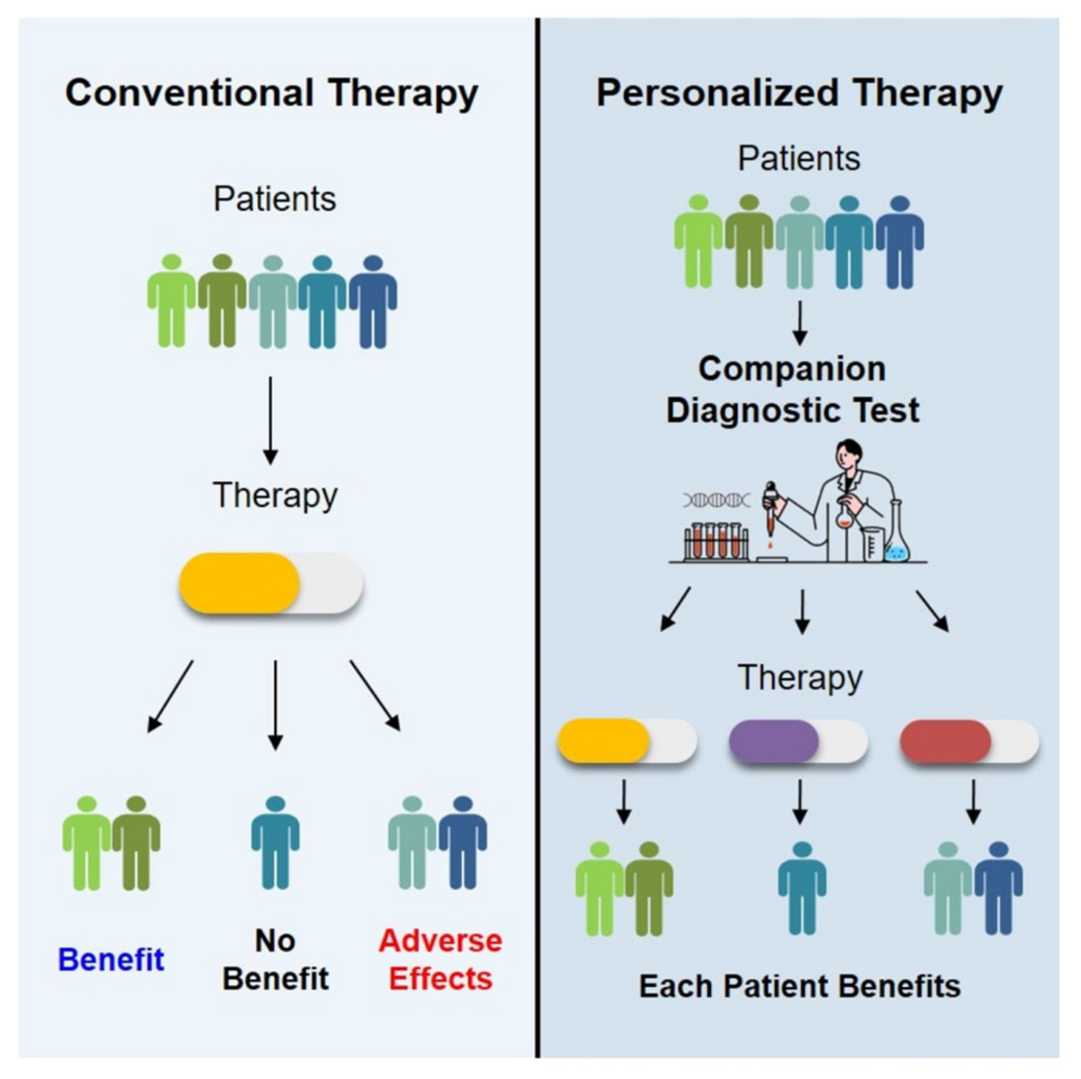
Figure 2. Principles of CDx testing. (Kang et al., 2024)
In traditional medicine, treatment decisions are often based on population averages, which can lead to inconsistent responses and unnecessary side effects. In contrast, CDx-enabled precision medicine uses molecular profiling to identify patients who are most likely to respond to a specific therapy, significantly improving clinical outcomes.
CDx enables this transition by providing molecular-level insights, such as gene mutations, protein expression levels, or pathway activation status. These insights help clinicians:
As a result, companion diagnostics play a critical role in bridging the gap between biological complexity and clinical decision-making, making precision medicine both practical and scalable.
Whether you are building a biomarker assay, refining reagent performance, or aligning diagnostics with therapeutic development, integrated workflow support can shorten development cycles and improve assay readiness.
One of the most important aspects of companion diagnostics is their integration with drug development.
CDx is often developed alongside a therapeutic drug in a coordinated strategy known as co-development.
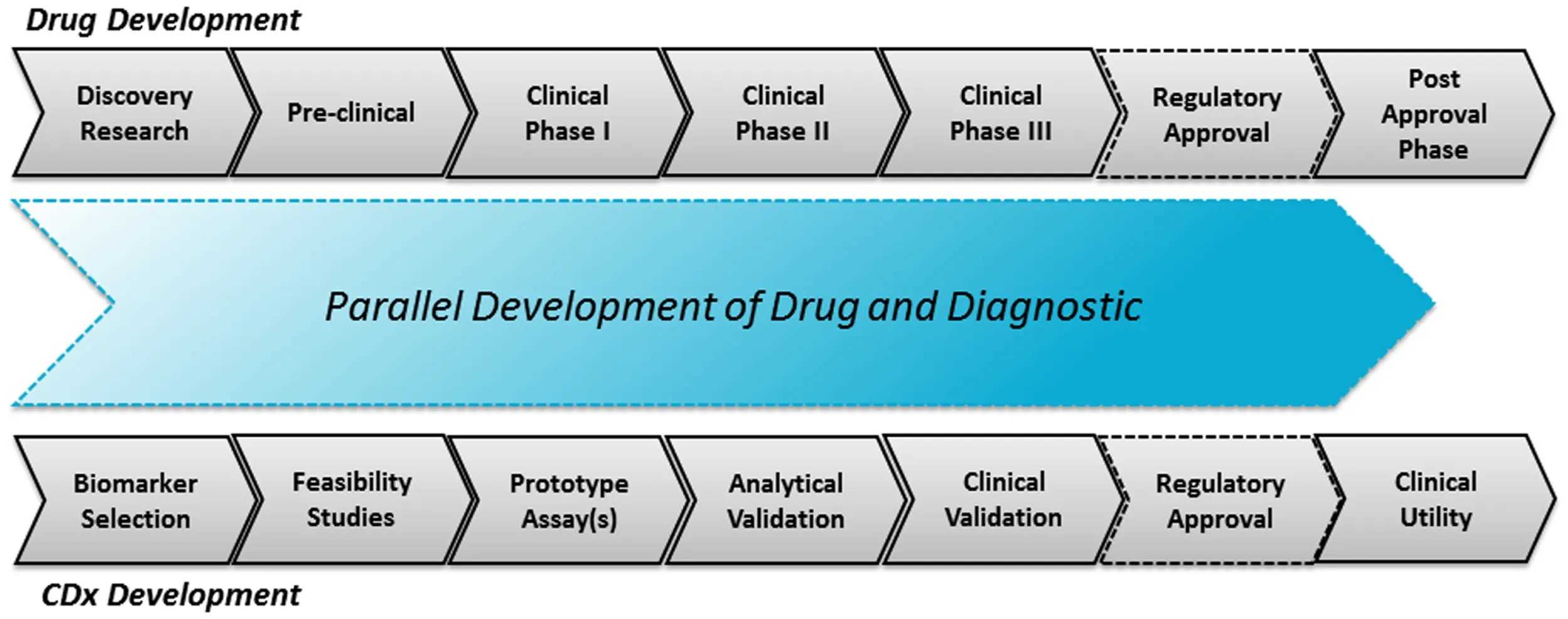
Figure 3. The drug–diagnostic co-development model. (Olsen and Jørgensen, 2014)
Companion diagnostics leverage multiple analytical technologies depending on the biomarker type.
Mutation detection
Comprehensive genomic profiling
Protein biomarkers
Tissue-based detection
Rapid diagnostics
These technologies often rely heavily on high-performance enzymes, which play critical roles in signal generation, amplification, and assay stability.
The global healthcare landscape is rapidly moving toward personalized medicine, making companion diagnostics (CDx) indispensable for both clinical practice and drug development. As therapies become increasingly targeted and mechanism-driven, CDx serves as the critical link that ensures treatments are applied to the right patient populations with measurable benefit.
CDx is now a standard requirement in many oncology drug approvals, particularly for targeted therapies and immuno-oncology agents, where regulatory agencies increasingly expect validated biomarker strategies.
Beyond oncology, CDx is rapidly expanding into additional therapeutic areas:
As precision medicine continues to evolve, CDx will play an increasingly central role in shaping next-generation healthcare models, enabling more predictive, preventive, and personalized treatment paradigms.
While CDx focuses on biomarkers and detection technologies, enzymes are the hidden drivers behind assay performance, directly influencing sensitivity, specificity, and overall assay robustness. In many diagnostic platforms, enzymes are not just reagents—they are core functional components that determine signal generation and amplification efficiency.
As a result, enzyme quality is often a limiting factor in diagnostic assay performance and scalability.
This is where specialized platforms like CDx enzyme engineering and optimization become critical—enabling tailored improvements in enzyme activity, stability, and compatibility with specific assay systems, ultimately ensuring reliable and high-performance diagnostic outcomes.
Companion diagnostics (CDx) represent a foundational pillar of modern precision medicine. By linking biomarker testing with targeted therapies, CDx enables more effective, safer, and personalized treatment strategies.
As the demand for precision medicine diagnostics continues to grow, the integration of robust diagnostic technologies and high-performance enzymes will be key to unlocking the full potential of CDx-driven healthcare.
From biomarker-linked assay support to enzyme optimization and integrated precision medicine workflows, Creative Enzymes provides specialized capabilities for organizations developing next-generation companion diagnostics.
