Background
The performance of a recombinant diagnostic enzyme begins with the gene sequence. Even a well-characterized wild-type enzyme can fail to express at sufficient yield, fold correctly, or maintain stability in a heterologous host if the underlying gene design is suboptimal. Codon usage bias, GC content extremes, cryptic splice sites, unfavorable mRNA secondary structures, and incompatible restriction sites can all compromise expression efficiency, leading to low yields, inclusion body formation, or truncated products that are unsuitable for diagnostic-grade manufacturing.
For diagnostic applications, these challenges are amplified by the need for batch-to-batch consistency, scalability, and regulatory compliance. An enzyme that expresses at low yield in E. coli or produces heterogeneous product in yeast will drive up manufacturing costs, complicate purification, and introduce variability that undermines assay reproducibility. Gene design and codon optimization are therefore not merely technical conveniences—they are foundational steps that determine whether a candidate enzyme can progress from sequence to a commercially viable diagnostic reagent.
Creative Enzymes Diagnostic offers a dedicated Diagnostic Enzyme Gene Design and Codon Optimization service that transforms raw enzyme sequences into expression-optimized, manufacturing-ready gene constructs. Using computational algorithms validated against our extensive in-house expression database, we systematically optimize every sequence parameter to maximize soluble expression yield, ensure proper folding, and streamline downstream cloning and production workflows.

Gene Design Strategy
Our gene design strategy follows a multi-parameter optimization framework that addresses the sequence-level determinants of expression success. Each parameter is optimized sequentially and then validated in combination to ensure that improvements are additive and do not introduce unintended trade-offs.
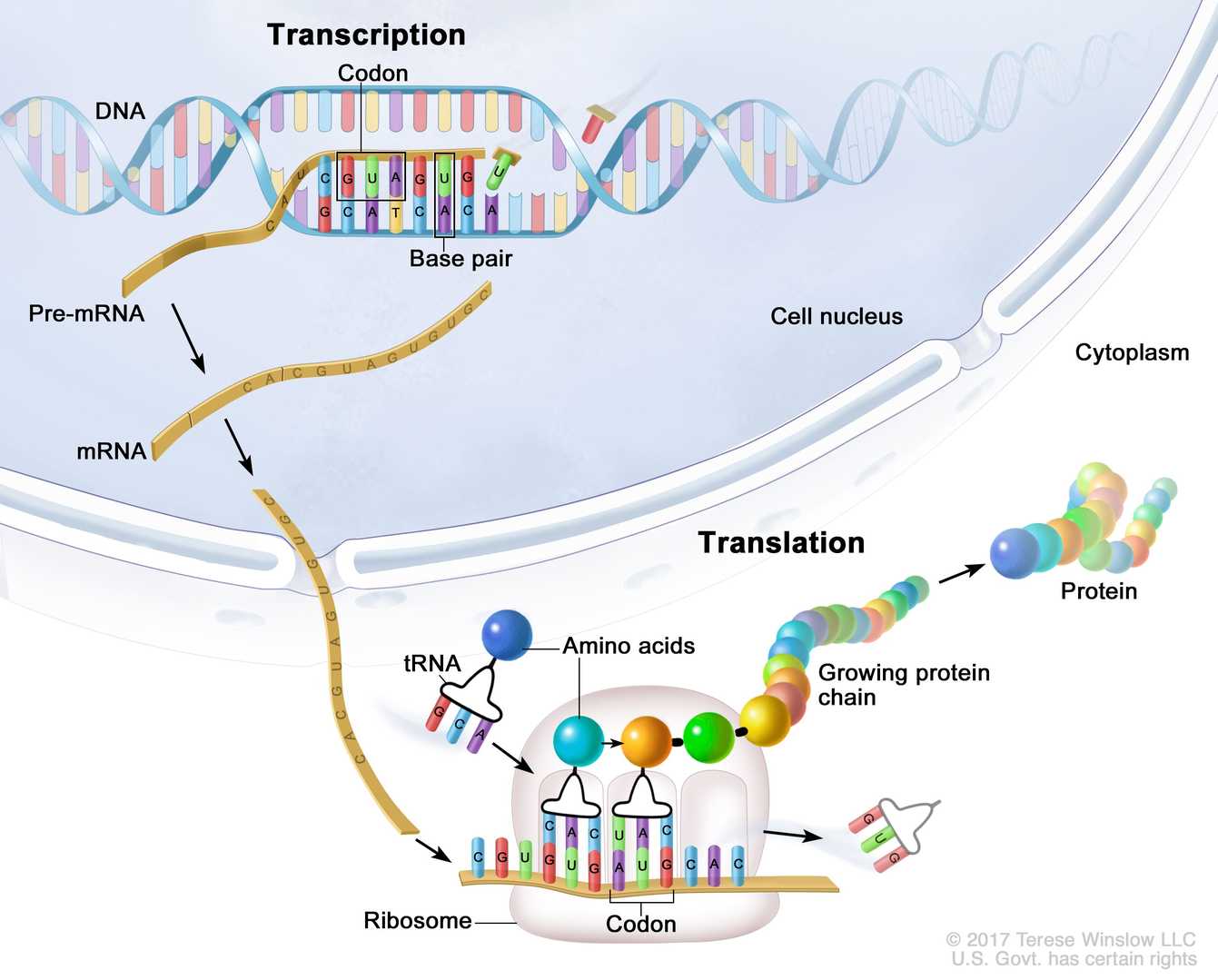
Sequence Optimization
- Removal of internal unwanted regulatory elements including cryptic transcription termination signals, prokaryotic ribosome binding sites, and eukaryotic polyadenylation signals that can disrupt expression in the target host
- Elimination of repetitive sequences and direct repeats that increase recombination frequency and plasmid instability during bacterial propagation
- Adjustment of sequence length and modular architecture to facilitate domain shuffling, fusion protein construction, and future engineering modifications
- Preservation of critical functional residues, active site motifs, and post-translational modification sites while optimizing surrounding sequence context for expression
Codon Optimization
- Host-specific codon usage table application for E. coli, Pichia pastoris, Saccharomyces cerevisiae, insect cells (Sf9, Hi5), and mammalian expression systems (HEK293, CHO)
- Codon Adaptation Index (CAI) optimization to match the tRNA abundance profile of the expression host, reducing ribosomal stalling and premature translation termination
- Balanced codon usage across the entire coding sequence to prevent local translation rate imbalances that can cause co-translational misfolding or aggregation
- Avoidance of rare codon clusters and codon pairs known to trigger frameshifting or translational errors in the target host
GC Content Optimization
- Adjustment of overall GC content to match the optimal range for the expression host (typically 40–55% for E. coli, 40–50% for yeast) to prevent transcriptional silencing and improve mRNA stability
- Smoothing of GC content distribution across the coding sequence to eliminate GC-rich or AT-rich spikes that can trigger premature transcription termination or reduced polymerase processivity
- Optimization of GC content in the 5' region of the coding sequence to reduce mRNA secondary structure formation near the translation initiation site, thereby improving ribosome loading efficiency
- Regulatory compliance consideration for GC content in regions subject to methylation-sensitive analysis or bisulfite sequencing applications
mRNA Secondary Structure Optimization
- Computational prediction and minimization of stable mRNA secondary structures, particularly hairpins and stem-loops, in the 5' untranslated region and the first 30–50 codons of the coding sequence
- Optimization of the Shine-Dalgarno or Kozak sequence context to ensure efficient translation initiation without sequestration by mRNA folding
- Reduction of long-range mRNA interactions that can impede ribosome progression and increase the probability of truncated or misfolded products
- Thermodynamic stability profiling across the full-length transcript to identify and resolve localized regions of excessive secondary structure that correlate with low expression yield
Expression-Oriented Design
Beyond sequence-level optimization, we engineer the gene construct to facilitate efficient expression, straightforward purification, and seamless integration into standard molecular biology workflows. These design elements are selected based on the intended expression host, purification strategy, and downstream diagnostic application.
Signal Peptide Design
- Selection and optimization of secretion signal peptides for periplasmic expression in E. coli or secreted expression in yeast and mammalian systems, improving soluble yield and simplifying downstream purification
- Signal peptide cleavage site prediction and validation to ensure accurate processing and removal of the N-terminal signal sequence without residual amino acids that could affect enzyme activity
- Evaluation of signal peptide efficiency across candidate sequences using secretion prediction algorithms and empirical validation in the target host
- Custom signal peptide engineering for enzymes requiring specific post-translational modifications (e.g., disulfide bond formation, glycosylation) that are only efficiently introduced in the secretory pathway
Fusion Tag Design
- Strategic selection of affinity tags (6xHis, GST, MBP, Strep-tag II, FLAG) and solubility tags based on the enzyme's biophysical properties, intended purification strategy, and tag removal requirements
- Insertion of protease cleavage sites (TEV, HRV 3C, thrombin, enterokinase) between the tag and the target enzyme to enable clean tag removal with minimal residual amino acids
- Assessment of tag impact on enzyme folding, activity, and stability; recommendation of tag placement (N-terminal vs. C-terminal) based on structural and functional considerations
- Design of dual-tag or tandem tag configurations for enhanced purification efficiency or detection compatibility in diagnostic assay formats
Restriction Site Optimization
- Strategic placement or elimination of restriction enzyme recognition sites to enable seamless subcloning, domain swapping, and vector insertion without internal cleavage
- Design of a multiple cloning site (MCS) flanking the coding sequence with compatible restriction sites tailored to the target expression vector family
- Silent mutation engineering to remove unwanted restriction sites within the coding sequence while preserving the amino acid sequence and codon optimization benefits
- Compatibility mapping with common expression vectors (pET, pGEX, pMAL, pPICZ, pcDNA3.1, pFastBac) to ensure immediate usability without additional PCR or mutagenesis steps
Vector Compatibility
- Pre-configuration of the optimized gene sequence for direct insertion into the client's preferred expression vector, including promoter selection (T7, AOX1, CMV, polyhedrin), selection marker compatibility, and origin of replication optimization
- Design of inducible expression cassettes with optimized operator sequences and repressor binding sites for tight transcriptional control and high induced expression levels
- Integration of strong transcriptional terminators and polyadenylation signals appropriate for the expression host to ensure efficient mRNA processing and stability
- Provision of the optimized sequence in multiple vector-ready formats, including linearized vector with pre-digested ends, Gibson assembly-compatible fragments, and Golden Gate modular cloning parts
Quality Verification
Every optimized gene sequence undergoes rigorous computational and experimental verification before delivery. This quality assurance process ensures that the designed sequence is not only theoretically optimal but also functionally validated in the intended expression context.
- Computational validation: Multi-algorithm prediction of expression level, mRNA stability, and folding efficiency using tools calibrated against our proprietary expression database of over 200 diagnostic enzymes
- Sequence integrity confirmation: Full-length Sanger sequencing of the synthesized construct to verify 100% sequence accuracy, including all optimized codons, tag sequences, and regulatory elements
- Restriction mapping verification: In silico and experimental restriction digest analysis to confirm correct vector insertion, proper fragment sizes, and absence of unwanted internal restriction sites
- Expression pilot validation: Small-scale expression testing in the target host system to confirm soluble yield, protein size, and preliminary activity, with optional SDS-PAGE and Western blot documentation
- Comparative performance analysis: Side-by-side expression comparison of the optimized construct versus the wild-type or client-provided sequence to quantify the improvement in yield, solubility, and purity
Deliverables
Upon completion of the gene design and codon optimization program, you receive a comprehensive package that enables immediate progression to expression, purification, and assay development:
| Item |
Description |
| Optimized Gene Sequence |
Full-length coding sequence with all codon, GC content, and mRNA structure optimizations applied, delivered in FASTA and GenBank formats with annotated features. |
| Sequence Optimization Report |
Detailed documentation of all modifications made to the original sequence, including codon usage tables applied, CAI scores before and after optimization, and GC content distribution plots. |
| mRNA Structure Analysis |
Computational prediction of mRNA secondary structure for the optimized and original sequences, with free energy calculations and structural maps highlighting key improvements. |
| Construct Design Document |
Complete construct map showing signal peptides, fusion tags, protease cleavage sites, restriction sites, promoter, terminator, and selection marker positions and sequences. |
| Vector Compatibility Guide |
Recommended expression vectors and cloning strategies for the optimized sequence, including restriction enzyme choices, primer designs, and alternative assembly methods. |
| Quality Verification Data |
Sequencing chromatograms, restriction digest gel images, and—if expression pilot was performed—SDS-PAGE, Western blot, and activity assay results with comparative analysis. |
| Expression Pilot Summary |
Quantitative yield and solubility data from small-scale expression testing, with recommendations for scale-up conditions and purification strategy. |
| Manufacturing Transition Package |
Documentation package formatted for technology transfer to manufacturing, including SOP-ready construct descriptions, raw material specifications, and batch record templates. |
FAQs
Q1. How much improvement in expression yield can we expect from codon optimization?
A1. Expression yield improvement depends on the starting sequence, the expression host, and the enzyme's intrinsic properties. For sequences with significant codon usage bias mismatches, we typically observe 2- to 10-fold increases in soluble expression yield. For already well-optimized sequences, improvements may be more modest but still meaningful in terms of batch consistency and reduced inclusion body formation. Our expression pilot validation provides quantitative before-and-after comparison data for your specific enzyme.
Q2. Can you optimize the same enzyme sequence for multiple expression hosts?
A2. Yes. We can generate host-optimized variants of the same enzyme for bacterial, yeast, insect, and mammalian expression systems. Each variant is independently optimized for the specific codon usage, GC content preferences, and mRNA stability requirements of its target host. This is particularly valuable for programs that require backup expression systems or need to compare production economics across different hosts before committing to scale-up.
Q3. Will codon optimization affect the enzyme's catalytic activity or stability?
A3. Codon optimization does not alter the amino acid sequence and therefore should not directly affect catalytic activity or protein stability. However, synonymous codon changes can influence co-translational folding kinetics, which in rare cases may affect the folding pathway or final conformation. Our optimization process includes structural and functional motif preservation checks, and our expression pilot validation confirms that the optimized enzyme retains the expected activity and stability profile.
Q4. What starting materials do we need to provide?
A4. We typically require the amino acid sequence or the wild-type nucleotide sequence of the target enzyme, along with information on the intended expression host, purification strategy, and any specific fusion tag or modification requirements. If available, existing expression data (yield, solubility, activity) and known problem regions (e.g., low-expression domains, aggregation-prone segments) are helpful for targeted optimization.
Q5. How long does the gene design and codon optimization program take?
A5. A standard gene design and optimization program, including sequence analysis, computational optimization, gene synthesis, and quality verification, typically spans 2 to 4 weeks. If expression pilot validation is included, the timeline extends by an additional 2 to 3 weeks. Expedited timelines are available for urgent programs. A project-specific schedule is defined at initiation and documented in the deliverables package.
Q6. Can you support the subsequent expression, purification, and assay development phases?
A6. Yes. Our integrated enzyme production and engineering platform provides seamless continuity from gene design through expression, purification, conjugation, engineering, and quality certification. The optimized gene construct and accompanying documentation are designed for immediate handover to our expression team or to your internal manufacturing group, ensuring a smooth transition without rework or re-optimization.
Creative Enzymes Diagnostic combines computational sequence optimization expertise, extensive expression host knowledge, and rigorous quality verification to deliver gene constructs that maximize your diagnostic enzyme's manufacturing potential. From codon optimization to vector-ready constructs, we provide the molecular foundation for reliable, scalable, and cost-effective enzyme production.
Contact our business development team today to discuss your specific project needs!
Related Services

