
RT-qPCR
Reverse transcriptase converts RNA targets into cDNA for quantitative amplification and fluorescence measurement.

Reverse transcriptases synthesize complementary DNA from RNA. Their fit for RT-qPCR, RT-LAMP, sequencing, and control-material workflows depends on temperature, processivity, RNase H activity, template structure, inhibitor tolerance, and compatibility with the downstream DNA polymerase.
Reverse transcription determines which RNA molecules become amplifiable cDNA and how faithfully their abundance is represented. Structured RNA, long templates, damaged material, low copy number, and sequence-dependent priming can all produce uneven conversion. A downstream qPCR result cannot distinguish poor reverse transcription from poor amplification unless the two stages are evaluated separately.
One-step and two-step workflows impose different requirements. One-step RT-qPCR or RT-LAMP requires the reverse transcriptase to share a buffer and temperature program with amplification components. Two-step cDNA synthesis provides more freedom to optimize priming and input but introduces transfer, dilution, and storage variables.
Reverse transcriptase converts RNA targets into cDNA for quantitative amplification and fluorescence measurement.
The enzyme must function with strand-displacing amplification chemistry at a compatible temperature and buffer.
cDNA synthesis influences transcript coverage, length representation, sequence bias, and downstream library yield.
Reverse transcription is used to characterize or detect RNA control materials under the same conditions as assay samples.
Products should be compared by functional profile rather than generation name alone. Temperature, processivity, RNase H behavior, and inhibitor tolerance must be tested with the intended RNA.
These enzymes support routine first-strand synthesis with gene-specific primers, random primers, or oligo(dT).
Check: template length, priming method, and RNA input.
Higher reaction temperature can reduce RNA secondary structure and improve access to difficult regions.
Check: RNA integrity, primer annealing, and compatibility with the next step.
Temperature-controlled activity can reduce low-temperature extension before the intended reaction begins.
Check: activation behavior and one-step workflow timing.
Greater processivity can improve synthesis through long or structured templates.
Check: full-length recovery, sequence bias, and reaction time.
Reduced or defined RNase H activity changes RNA–DNA hybrid persistence and downstream handling.
Check: template degradation needs and amplification compatibility.
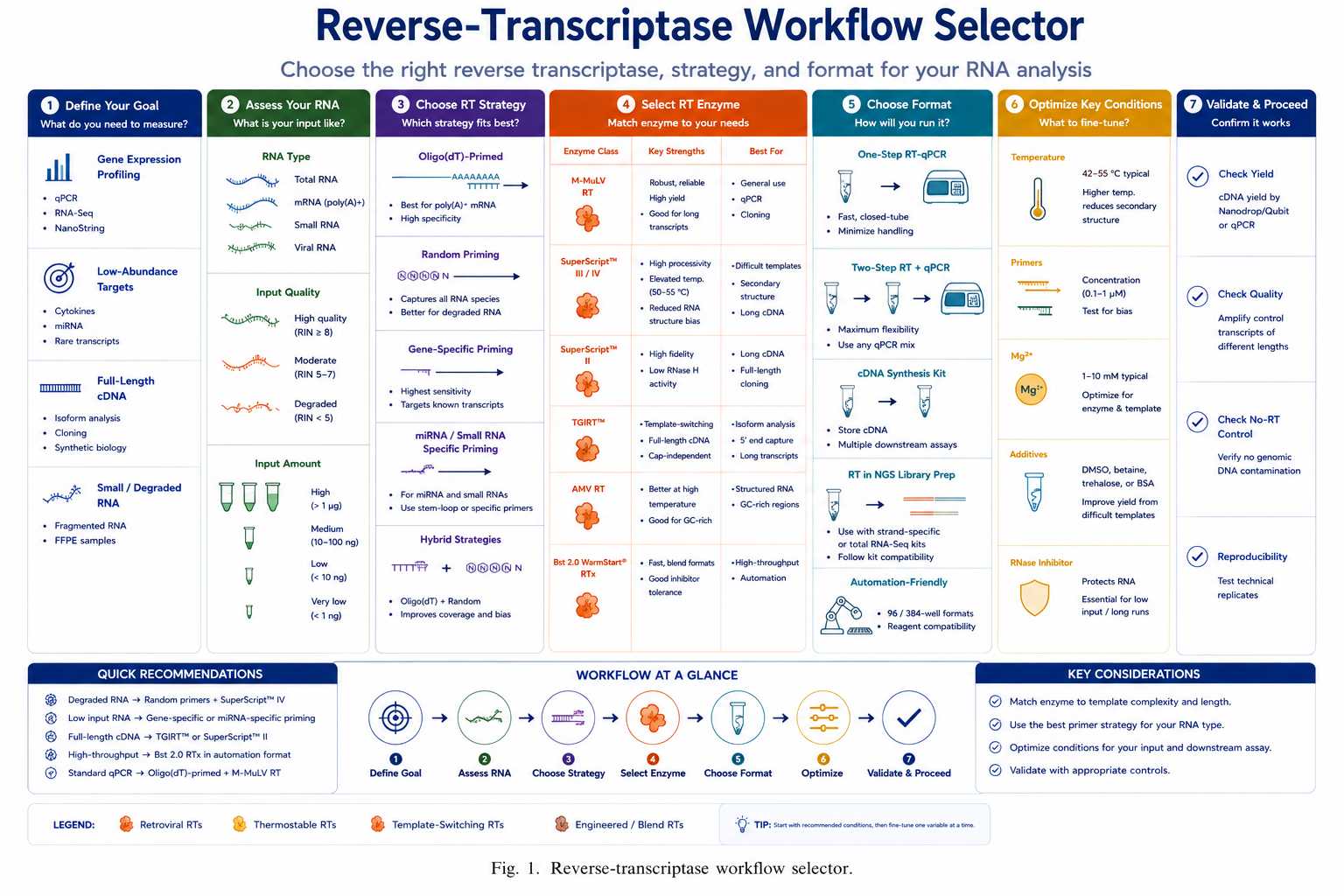 Fig 1. Reverse-transcriptase workflow selector.
(Creative Enzymes Diagnostic)
Use representative RNA, not only a short synthetic template. Evaluate cDNA across target positions and lengths, then carry it through the intended amplification or library workflow.
| Selection factor | How to evaluate it | Why it matters |
|---|---|---|
| RNA quality and structure | Test intact, partially degraded, structured, and low-input RNA representative of the method. | Template condition changes priming, pausing, and recovery of different target regions. |
| Priming strategy | Compare gene-specific primers, random primers, oligo(dT), or method-specific primers at intended concentrations. | Priming determines which RNA molecules and regions are copied. |
| Reaction temperature | Measure cDNA recovery and specificity across temperatures compatible with primer binding and RNA stability. | Higher temperature may resolve structure but can reduce primer selectivity or template integrity. |
| Processivity and RNase H profile | Assess long-target coverage and RNA–DNA hybrid handling with the complete workflow. | These properties affect full-length synthesis and the availability of cDNA for amplification. |
| Inhibitor tolerance | Challenge extraction residues, salts, alcohol, heme, anticoagulants, and matrix-specific inhibitors as relevant. | Reverse transcription can be more sensitive to sample carryover than the downstream PCR step. |
| One-step compatibility | Test the reverse transcriptase with the DNA polymerase, primers, probes, magnesium, and thermal profile in one tube. | Enzymes that perform well separately may compete or require incompatible conditions when combined. |
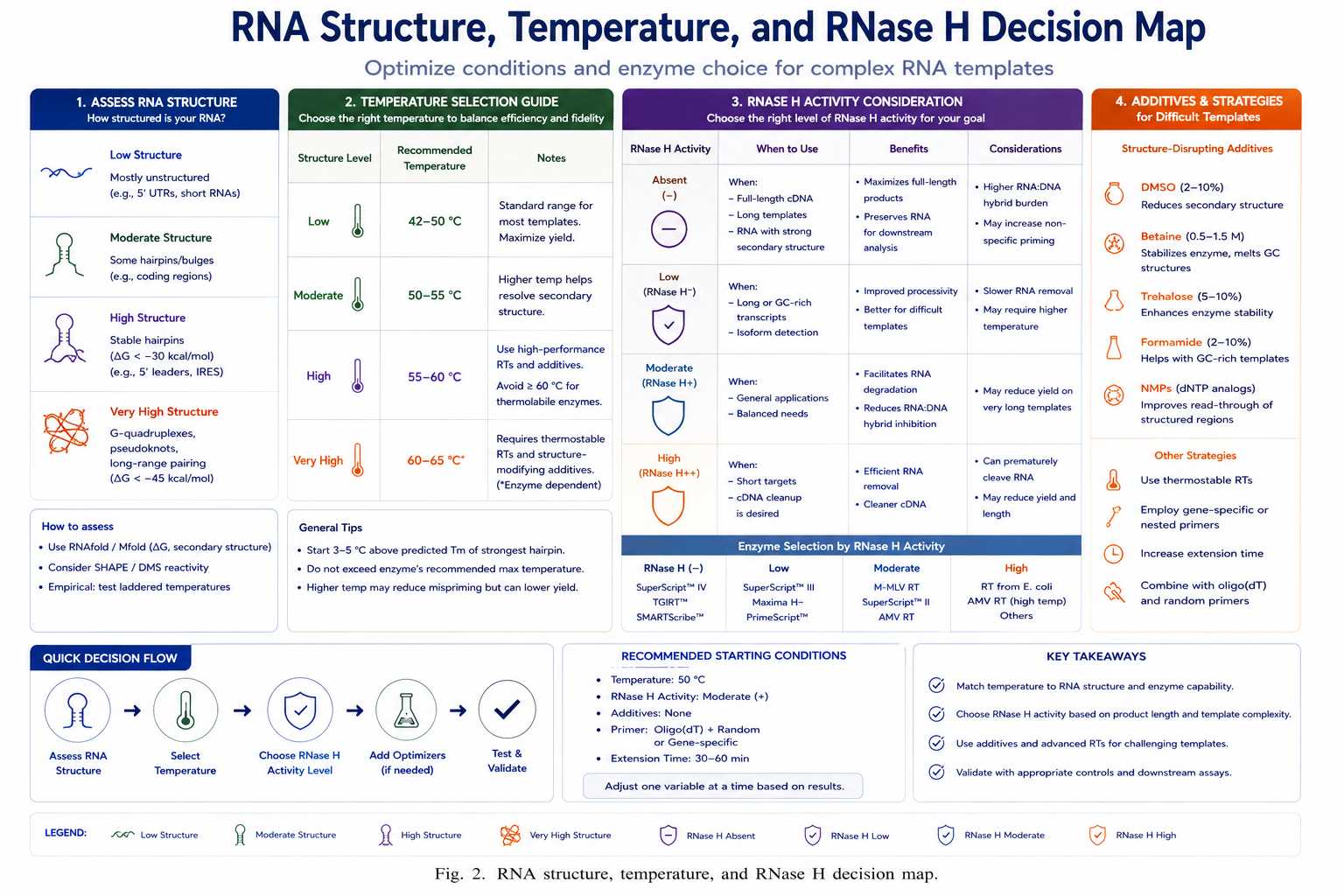 Fig 2. RNA structure temperature and RNase H decision map.
(Creative Enzymes Diagnostic)
Creative Enzymes supplies reverse transcriptase products for cDNA synthesis, RNA-target amplification, and molecular reagent development. Select a product name to review its available information.
| Product | Catalog | EC number | Source | Activity |
|---|---|---|---|---|
| Reverse Transcriptase II | DIA-465 | |||
| Reverse Transcriptase III | DIA-466 | |||
| Reverse Transcriptase III WarmStart | DIA-467 | |||
| AdvSTART Reverse Transcriptase | ENZD-RT02 | |||
| High Reverse Transcriptase II | ENZD-RT03 | |||
| High Reverse Transcriptase III | ENZD-RT04 |
Activity values use product-specific assay definitions. Review the stated method and test conditions before comparing unit values across materials.
Qualification should separate reverse-transcription efficiency from downstream amplification efficiency, then confirm that the combined workflow remains consistent across RNA inputs and sample matrices.
Set target region, length, structure, copy range, sample type, RNA quality, and priming strategy.
Use controls and target positions that reveal incomplete synthesis, inhibition, and sequence-dependent bias.
Evaluate one-step or two-step performance with the intended polymerase, probes, matrices, controls, and thermal profile.
Establish incoming activity, formulation, storage, freeze–thaw, lot bridging, and functional release criteria.
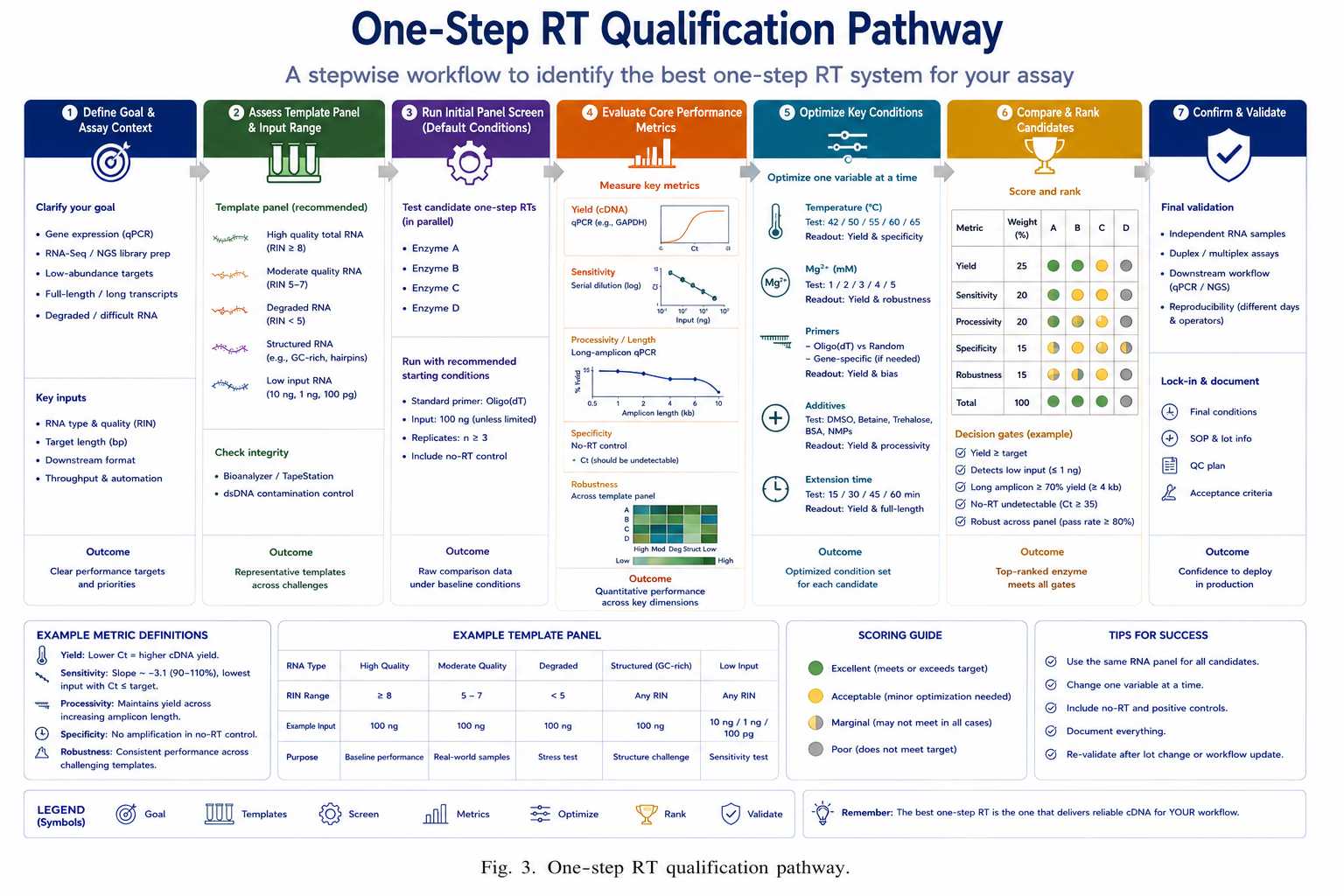 Fig 3. One-step RT qualification pathway.
(Creative Enzymes Diagnostic)
Provide the RNA target, expected length and structure, input range, priming strategy, one-step or two-step format, reaction temperature, downstream amplification method, sample matrix, scale, and documentation needs.
Temperature affects RNA secondary structure, primer annealing, enzyme activity, and template stability. The best balance depends on the target and priming strategy.
RNase H degrades RNA in RNA–DNA hybrids. Its level can affect cDNA synthesis, template turnover, and compatibility with later amplification steps.
Test representative full-length RNA, multiple primer locations, and the planned reaction temperature rather than relying on a short unstructured control.
One-step testing focuses on compatibility between reverse transcription and amplification in one buffer. Two-step testing also controls cDNA transfer, dilution, storage, and input normalization.
No. Total yield may hide sequence bias or incomplete coverage. Target-specific recovery and linearity across RNA inputs are more informative.
Compare target recovery, Cq or equivalent response, low-copy detection, inhibition, precision, and stability in the complete assay.
These sources support the scientific classification and technical selection criteria. Product specifications must be confirmed in current Creative Enzymes documentation.