Background
Clinical samples are inherently complex matrices containing a diverse array of endogenous and exogenous substances that can interfere with enzymatic reactions. Hemoglobin, bilirubin, lipids, immunoglobulins, anticoagulants, and cellular debris are present at variable concentrations across patient populations and can inhibit enzyme activity, increase background signal, or generate false-positive and false-negative results. For diagnostic enzymes, the ability to maintain robust catalytic performance in the presence of these inhibitors is not a luxury—it is a prerequisite for clinical utility.
Wild-type enzymes, evolved for function in purified cellular environments, typically lack the structural features necessary to resist matrix-mediated inhibition. A DNA polymerase that stalls in the presence of heparin, a reverse transcriptase inhibited by hemoglobin, or a protease deactivated by serum albumin will produce unreliable assay results when applied to real clinical specimens. Engineering enzymes for matrix and inhibitor tolerance closes this gap, enabling assays that perform consistently across the full spectrum of patient samples without requiring extensive pre-analytical processing.
Creative Enzymes Diagnostic offers a dedicated Matrix and Inhibitor Tolerance Optimization service that applies protein engineering, directed evolution, and rigorous clinical-matrix validation to develop enzyme variants with enhanced resistance to the inhibitors commonly encountered in diagnostic workflows. Our optimized enzymes maintain activity, specificity, and precision in complex biological matrices, reducing assay failure rates and improving diagnostic reliability.
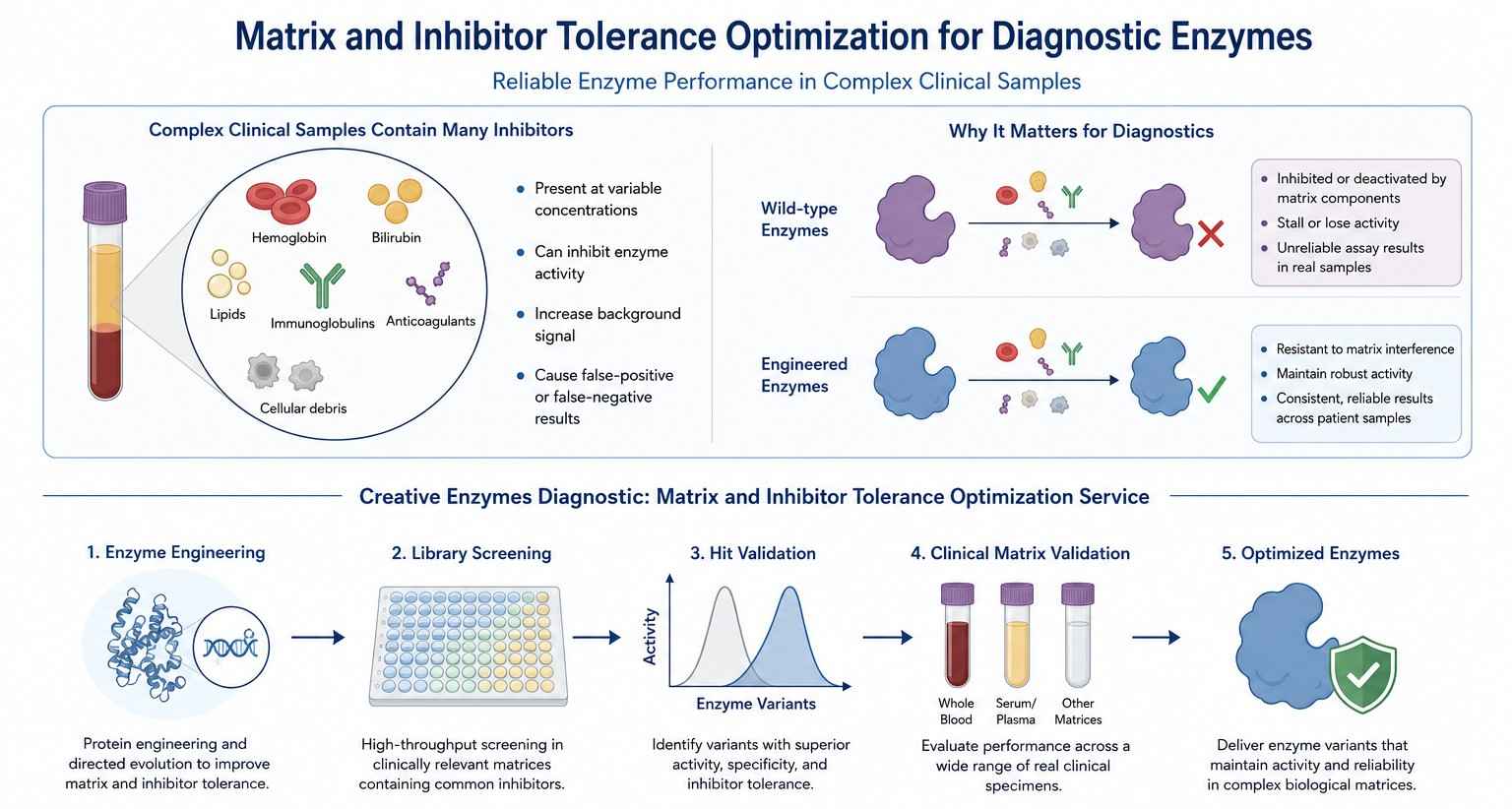 Matrix and inhibitor tolerance optimization for diagnostic enzymes
(Creative Enzymes Diagnostic)
Matrix Compatibility Engineering
We systematically engineer enzyme variants for compatibility with the major clinical sample types used in diagnostic testing. Each matrix presents a unique inhibitor profile, and our engineering campaigns are tailored to the specific matrix or combination of matrices relevant to the target assay.
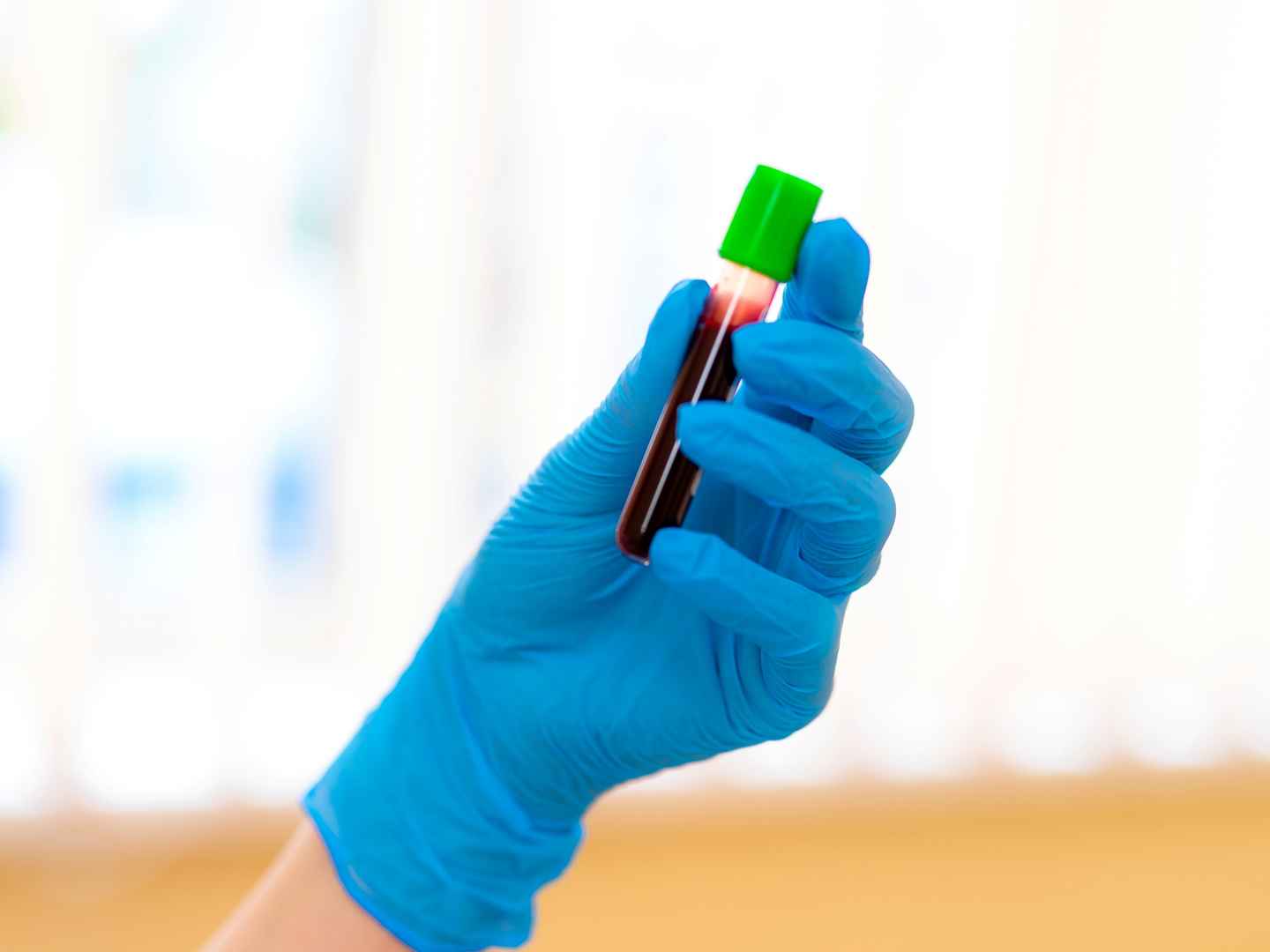
Blood Matrix
- Engineering of DNA polymerases, reverse transcriptases, and isothermal amplification enzymes for resistance to blood-borne inhibitors including hemoglobin, immunoglobulin G, lactoferrin, and heme degradation products
- Optimization of enzyme surface charge and hydrophobicity to reduce non-specific binding to serum proteins and cellular components that compete with the target substrate for active site access
- Screening in whole blood, plasma, and serum matrices across a range of hematocrit levels and hemolysis grades to ensure performance consistency across clinically relevant sample quality spectra
- Evaluation of enzyme variants in anticoagulant-containing matrices (EDTA, heparin, citrate) to identify mutations that restore activity in the presence of chelating agents and polyanionic inhibitors
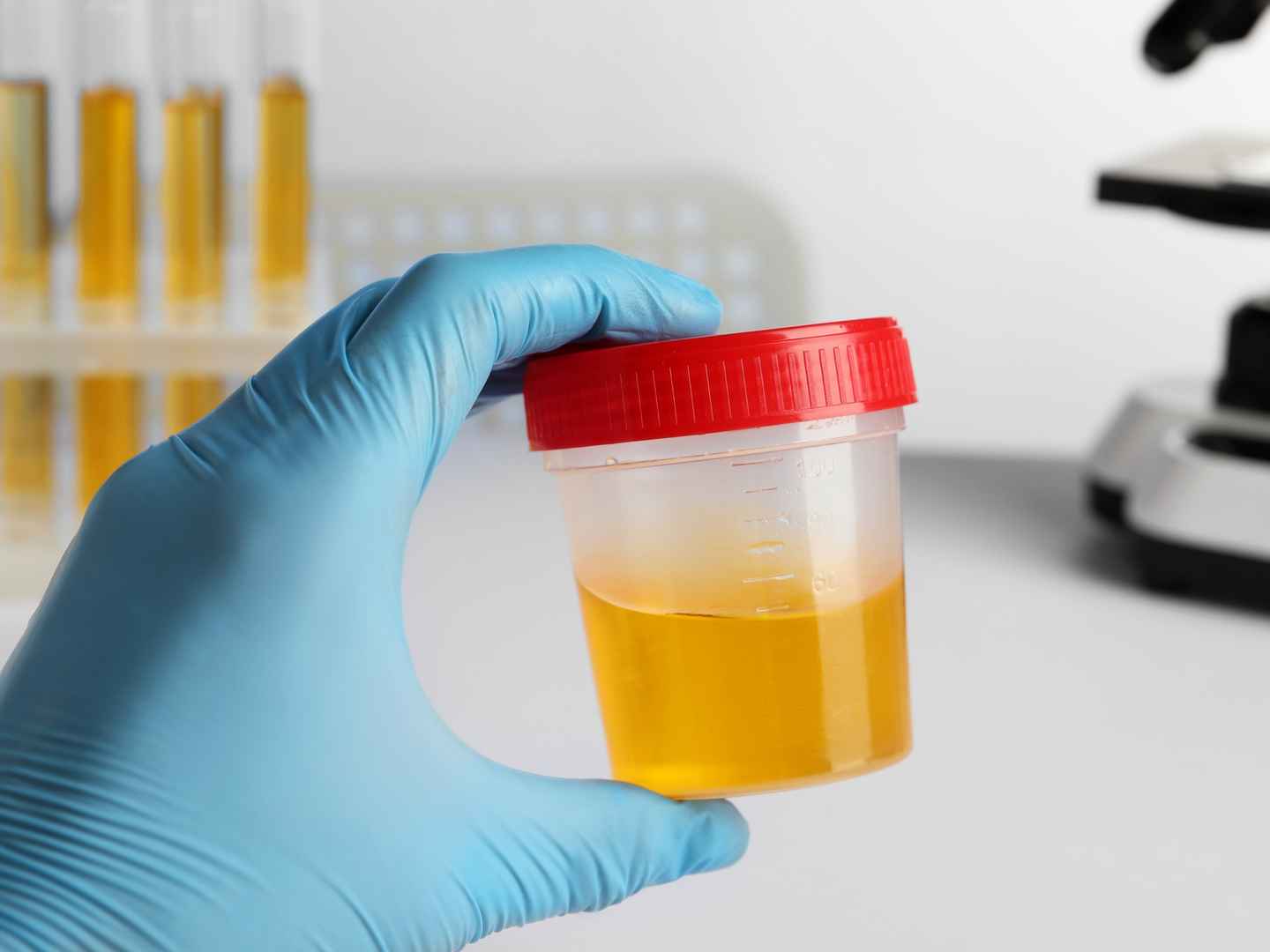
Urine Matrix
- Development of enzyme variants resistant to urine-specific inhibitors including urea (at concentrations up to 600 mM), creatinine, uric acid, and high concentrations of salts and organic acids that can destabilize protein structure
- Engineering for tolerance to variable pH (typically pH 5.0–8.0) and high ionic strength in urine samples, ensuring consistent activity across dilute and concentrated specimens
- Screening against preservatives and stabilizers commonly added to urine collection containers (boric acid, sodium azide, formaldehyde) to identify variants that maintain function in preserved samples
- Validation in pooled clinical urine samples with defined creatinine and specific gravity ranges to confirm translational relevance of engineering improvements
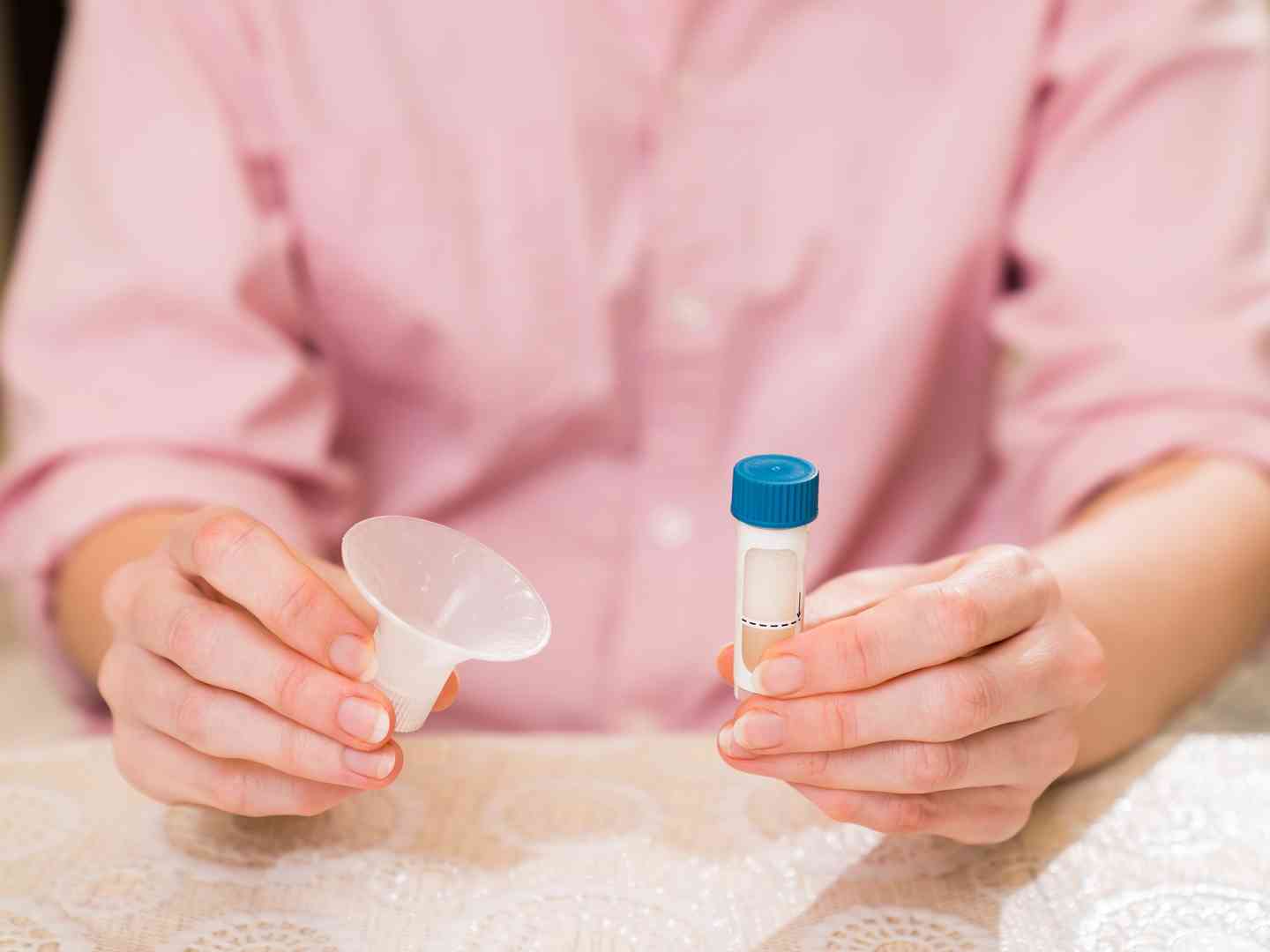
Saliva
- Optimization of enzymes for resistance to salivary inhibitors including mucins, α-amylase, proteases, and high concentrations of potassium and bicarbonate that can interfere with enzymatic reactions
- Engineering for performance in viscous saliva matrices and in saliva stabilized with preservatives (sodium azide, EDTA) or collection buffer additives (Tris, proteinase inhibitors)
- Screening against food and beverage contaminants commonly present in saliva samples (polyphenols from coffee and tea, organic acids from citrus, ethanol) to ensure robustness in non-fasting specimens
- Validation in clinical saliva collections using standardized collection devices and storage conditions to confirm assay performance under real-world pre-analytical variables
Tissue Lysate
- Engineering of nucleases, proteases, and modification enzymes for resistance to inhibitors present in tissue homogenates including high concentrations of genomic DNA, histones, collagen, lipids, and cross-linked extracellular matrix components
- Optimization for compatibility with common lysis buffers (SDS, Triton X-100, guanidinium salts, urea) and mechanical disruption methods (sonication, bead beating, homogenization) used in tissue processing
- Screening in FFPE tissue extracts to identify variants that function in the presence of formaldehyde cross-linking byproducts and xylene carryover from deparaffinization workflows
- Validation across multiple tissue types (liver, kidney, lung, tumor) to ensure broad compatibility with the heterogeneous inhibitor profiles of different anatomical origins
Inhibitor Resistance
Beyond matrix-specific engineering, we target the major classes of endogenous and exogenous inhibitors that compromise enzymatic performance across diagnostic applications. Our inhibitor resistance engineering combines structural analysis, directed evolution, and mechanism-based screening to identify variants with quantifiably improved tolerance.
Hemoglobin
- Structural analysis of hemoglobin binding to enzyme active sites and allosteric regulatory regions, followed by surface mutation engineering to sterically block hemoglobin access without compromising substrate binding
- Directed evolution screening in the presence of lysed blood (up to 20% hematocrit equivalent) to select variants that maintain polymerase, ligase, or protease activity under hemoglobin challenge
- Evaluation of heme coordination and iron-mediated oxidative damage as alternative inhibition mechanisms, with engineering of oxidative-resistant residues (Met→Leu, Cys→Ser, Trp→Tyr) to prevent redox inactivation
- Quantification of hemoglobin tolerance by determining the maximum allowable hemoglobin concentration (MAHC) that permits >90% retained activity, with comparison to wild-type baseline
Bilirubin
- Engineering for resistance to bilirubin-mediated inhibition, which occurs through hydrophobic stacking interactions and oxidative quenching of reaction intermediates in peroxidase and oxidoreductase systems
- Surface hydrophobicity modulation to reduce bilirubin binding affinity while maintaining protein solubility and colloidal stability in icteric serum samples
- Screening in hyperbilirubinemic serum pools (total bilirubin >20 mg/dL) to validate performance in severely jaundiced patient specimens
- Assessment of bilirubin oxidation products and their differential inhibitory effects, with selection of variants resistant to both conjugated and unconjugated bilirubin species
Lipids
- Engineering of enzymes for tolerance to lipemic interference, including triglyceride-rich lipoproteins, free fatty acids, and cholesterol, which can sequester hydrophobic substrates, alter membrane permeability, and competitively inhibit lipophilic binding sites
- Surface charge engineering to reduce non-specific interactions with lipoprotein particles and prevent enzyme adsorption to lipid droplets that deplete active enzyme from the aqueous phase
- Screening in lipemic serum (triglyceride >1000 mg/dL) and synthetic lipid emulsions to quantify tolerance and identify variants with minimal activity loss in hyperlipidemic specimens
- Evaluation of lipase contamination effects and fatty acid release during storage, with selection of variants resistant to long-chain fatty acid inhibition and pH shifts caused by lipolysis
Anticoagulants
- Directed evolution of DNA-dependent enzymes for resistance to anticoagulant inhibitors: heparin (polyanionic competitive inhibitor of DNA polymerases), EDTA (divalent cation chelator), citrate (calcium chelator), and oxalate (magnesium chelator)
- Engineering of polymerase active sites and metal-binding domains to reduce dependence on chelator-sensitive cofactors or to increase affinity for residual free metal ions in chelated matrices
- Development of heparinase-compatible enzyme variants that function in heparinized plasma without requiring pre-treatment, streamlining workflow and reducing hands-on time
- Validation in matched plasma samples collected with different anticoagulants to confirm that engineered variants perform equivalently across standard blood collection tube types
Validation
Every engineered variant undergoes a rigorous validation protocol designed to confirm that matrix and inhibitor tolerance improvements translate to reliable performance in real diagnostic contexts. Our validation goes beyond spiked-inhibitor assays to include clinical sample testing and statistical performance assessment.
| Validation Parameter |
Method |
Acceptance Criteria |
| Inhibitor IC50 Determination |
Titration of purified inhibitors (hemoglobin, bilirubin, heparin, triglycerides) with activity measurement at each concentration to calculate the inhibitor concentration causing 50% activity loss. |
IC50 improved by ≥2-fold versus wild-type; ≥5-fold for critical inhibitors. |
| Matrix Spike Recovery |
Spiking of known analyte concentrations into clinical matrices (blood, urine, saliva, tissue lysate) and comparison of measured versus expected values to assess matrix interference. |
Recovery within 85–115% across all tested matrices; CV <10% for replicate measurements. |
| Clinical Sample Panel Testing |
Testing of engineered variant in 50–100 clinical samples spanning the pathological range, including hemolyzed, icteric, and lipemic specimens, with comparison to wild-type performance. |
Assay failure rate <2% in challenging samples; <0.5% in normal-quality samples. |
| Precision Assessment |
Repeatability and intermediate precision evaluation in inhibitory matrices across multiple runs, operators, and reagent lots to confirm consistent performance. |
CV <5% for repeatability; CV <10% for intermediate precision in inhibitory matrices. |
| Cross-Matrix Comparison |
Parallel testing of the same analyte in matched samples across different matrix types (e.g., serum vs. plasma vs. whole blood) to verify equivalent performance. |
Correlation coefficient r ≥0.95 between matrix types; slope 0.90–1.10. |
| Long-Term Stability in Matrix |
Incubation of enzyme in clinical matrix at 4°C, 25°C, and 37°C with periodic activity measurement to assess stability during sample handling and storage. |
>90% activity retained after 24 hours at 37°C; >95% after 72 hours at 4°C. |
| Mechanistic Confirmation |
Kinetic analysis (KM, kcat, Ki) in the presence and absence of inhibitors to confirm that tolerance is due to reduced inhibitor binding or alternative catalytic mechanism. |
Ki increased by ≥2-fold; no significant change in KM for target substrate. |
| Regulatory Documentation |
Compilation of validation data into formal reports with statistical analysis, method descriptions, and traceability documentation suitable for IVD regulatory submissions. |
Complete data package aligned with CLSI EP07 (interference) and EP17 (detection capability) guidelines. |
FAQs
Q1. Can a single engineered variant be optimized for multiple clinical matrices simultaneously?
A1. Yes, though the complexity increases with the number of matrices. Our multi-matrix engineering approach screens variants against pooled inhibitor cocktails representative of blood, urine, saliva, and tissue lysates, selecting mutations that confer broad-spectrum tolerance. For applications requiring performance across all major matrices, we typically recommend 2–3 iterative rounds of directed evolution with progressive expansion of the inhibitor panel. The resulting variants often show improved tolerance to multiple matrices, though some matrix-specific trade-offs may occur and are documented during validation.
Q2. How does inhibitor tolerance engineering affect enzyme kinetics and specificity?
A2. Our engineering strategy targets surface and allosteric regions to minimize impact on the active site. In most cases, the target substrate kinetics (KM, kcat) are preserved or slightly improved because reduced non-specific inhibitor binding can increase the effective concentration of active enzyme available for catalysis. Specificity is generally maintained, though we explicitly screen against cross-reactivity with structurally similar non-target analytes to ensure that expanded inhibitor tolerance does not broaden substrate scope in unintended ways.
Q3. What is the typical timeline for a matrix and inhibitor tolerance optimization project?
A3. A standard project targeting a single major inhibitor class or matrix type typically spans 10 to 14 weeks: 2–3 weeks for structural analysis and library design, 4–5 weeks for library construction and screening, and 4–5 weeks for validation in clinical matrices. Multi-inhibitor or multi-matrix projects may extend to 16–20 weeks. Expedited timelines are available for urgent diagnostic development programs, with parallel processing of library construction and assay development where possible.
Q4. Can you engineer tolerance for novel or proprietary inhibitors in our assay formulation?
A4. Absolutely. We can design custom screening campaigns targeting any inhibitor or interfering substance specific to your assay system, including proprietary buffer components, detection reagents, surfactants, or sample preservatives. Simply provide the inhibitor identity, concentration range, and mechanism of action (if known), and we will incorporate it into the directed evolution screening protocol. This custom approach ensures that the engineered variant is optimized for your exact assay conditions rather than generic clinical matrices.
Q5. Do inhibitor-tolerant variants require different assay formulations or storage conditions?
A5. In most cases, inhibitor-tolerant variants are compatible with standard assay formulations and do not require special storage conditions. However, because surface mutations can sometimes alter solubility or aggregation propensity, we evaluate formulation compatibility during validation and provide recommendations for optimal buffer composition, stabilizers, and storage temperature. If the variant shows altered stability profiles, we offer integrated formulation optimization as part of the deliverables package.
Q6. Can you support the transition from engineered variant to diagnostic-grade manufacturing?
A6. Yes. Our integrated enzyme production and engineering platform ensures seamless handover from optimization to manufacturing. The validated expression construct, fermentation protocol, and purification method are directly transferable to our GMP-aligned production team. We provide the engineered enzyme with a comprehensive Certificate of Analysis, batch-to-batch consistency data, and manufacturing documentation suitable for diagnostic raw material qualification and regulatory submission.
Creative Enzymes Diagnostic combines deep understanding of clinical matrix biochemistry, advanced protein engineering capabilities, and rigorous validation protocols to deliver enzyme variants that perform reliably in the complex and variable world of patient specimens. From hemolyzed blood to lipemic serum, our matrix and inhibitor tolerance optimization service ensures that your diagnostic assay maintains accuracy, precision, and robustness across the full spectrum of clinical samples.
Contact our business development team today to discuss your specific project needs!
Related Services