
Carryover control
Uracil-DNA glycosylase can remove uracil-containing amplification products before a new reaction begins.

Nucleases, glycosylases, and DNA repair enzymes remove, cleave, or modify defined nucleic-acid structures. They support sample cleanup, primer removal, carryover control, library preparation, and controlled repair steps when residual activity is managed carefully.
Endonucleases cut within a nucleic-acid strand, exonucleases remove nucleotides from an end, and glycosylases remove specific damaged or modified bases. DNA repair enzymes may then process the resulting abasic site, nick, gap, or end. Selection begins with the exact substrate: single- or double-stranded DNA, RNA, free primers, chromatin, uracil-containing DNA, or another defined structure.
Processing must stop before it damages the target or downstream reagents. Heat inactivation, chelation, inhibitor addition, cleanup, or physical removal should be demonstrated in the full workflow. A treatment that appears complete by bulk nucleic-acid measurement may still leave short oligonucleotides, active enzyme, or damaged target molecules.
Uracil-DNA glycosylase can remove uracil-containing amplification products before a new reaction begins.
DNase treatment can remove DNA from RNA preparations or reduce unwanted nucleic acid in reagent production.
Exonucleases can digest residual single-stranded primers after amplification or labeling.
Nucleases and repair enzymes create or process defined ends and lesions for library and analytical workflows.
Choose by substrate structure, cleavage direction, lesion or base specificity, and the required method for stopping the reaction.
DNases hydrolyze DNA and can remove template or contaminating DNA from sample and reagent workflows.
Check: DNA form, metal dependence, target preservation, and inactivation.
Exonucleases digest nucleic acids from a free end and may prefer single- or double-stranded substrates.
Check: end structure, directionality, processivity, and protected termini.
This nuclease digests DNA and RNA and is used in controlled nucleic-acid or chromatin processing.
Check: calcium dependence, digestion endpoint, and quench effectiveness.
UDG removes uracil from DNA, creating an abasic site that destabilizes carryover amplicons.
Check: temperature profile, heat-labile behavior, and target uracil content.
Glycosylases, endonucleases, polymerases, and ligases can be combined to detect or repair defined lesions.
Check: lesion specificity, reaction order, intermediates, and background repair.
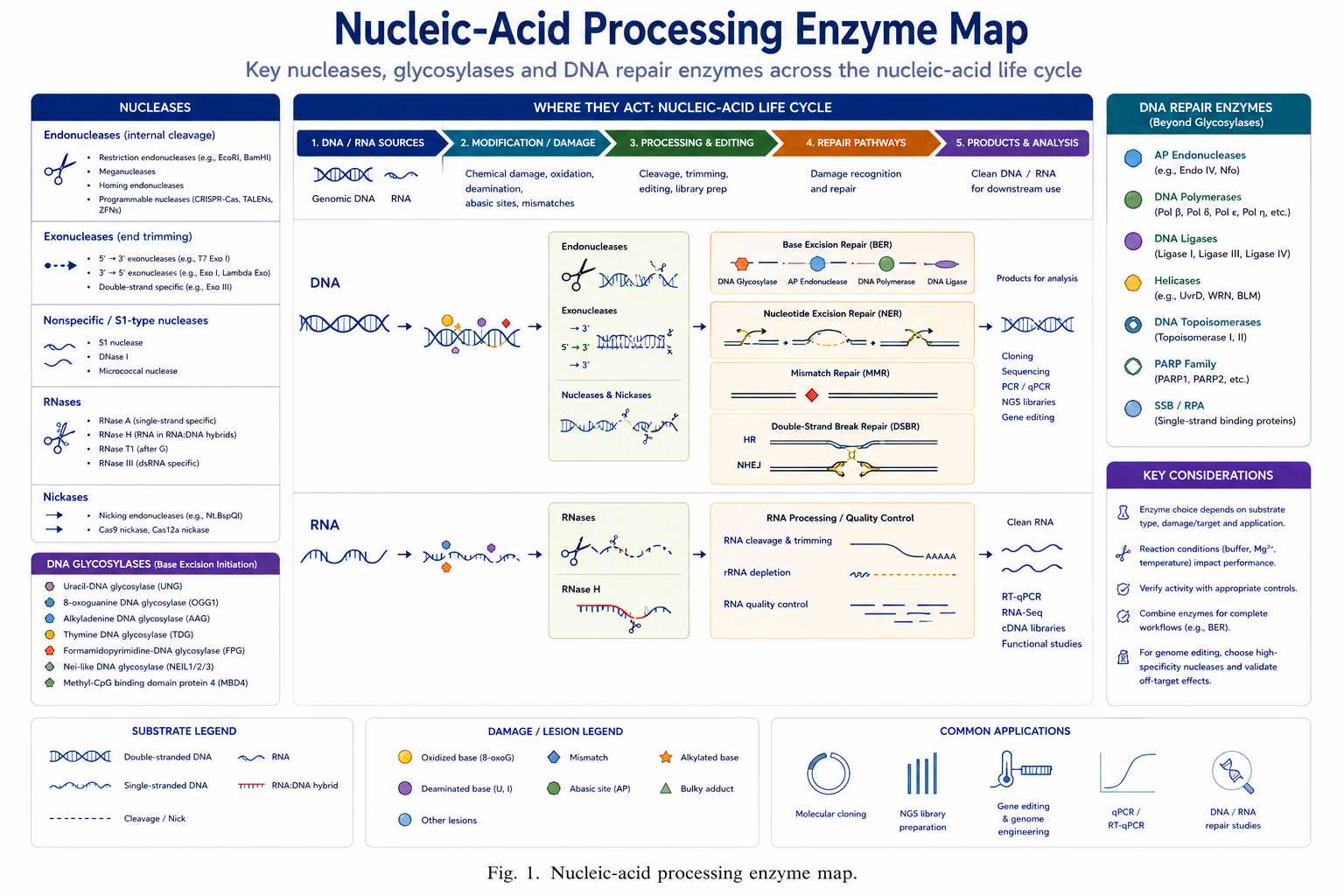 Fig 1. Nucleic-acid processing enzyme map.
(Creative Enzymes Diagnostic)
Use substrates that reproduce strand state, ends, lesions, modifications, and concentration. Confirm both removal of the unwanted material and recovery of the target that must proceed downstream.
| Selection factor | How to evaluate it | Why it matters |
|---|---|---|
| Substrate structure | Define DNA or RNA, single- or double-stranded state, length, topology, chromatin association, ends, and modifications. | Nuclease access and cleavage mode depend directly on substrate architecture. |
| Cleavage or repair specificity | Map products or test defined substrates that distinguish endonuclease, exonuclease, glycosylase, and repair activities. | Bulk degradation does not show whether the required structure was processed selectively. |
| Cofactors and buffer | Test magnesium, calcium, salts, reducing agents, detergents, and chelators in the planned sequence. | Cofactors activate cleavage, while later chelation may be needed to stop it. |
| Inactivation or removal | Verify heat, chelation, inhibitor, purification, or bead separation using a residual-activity assay. | Residual enzyme can digest primers, probes, templates, or amplification products. |
| Target recovery | Measure downstream amplification, sequencing, or analytical recovery after treatment. | Successful removal is not useful if the target is damaged or lost. |
| Contamination and background | Include untreated, no-enzyme, and process-blank controls and monitor contaminating nuclease activity. | Background cleavage or carryover can be mistaken for the intended processing step. |
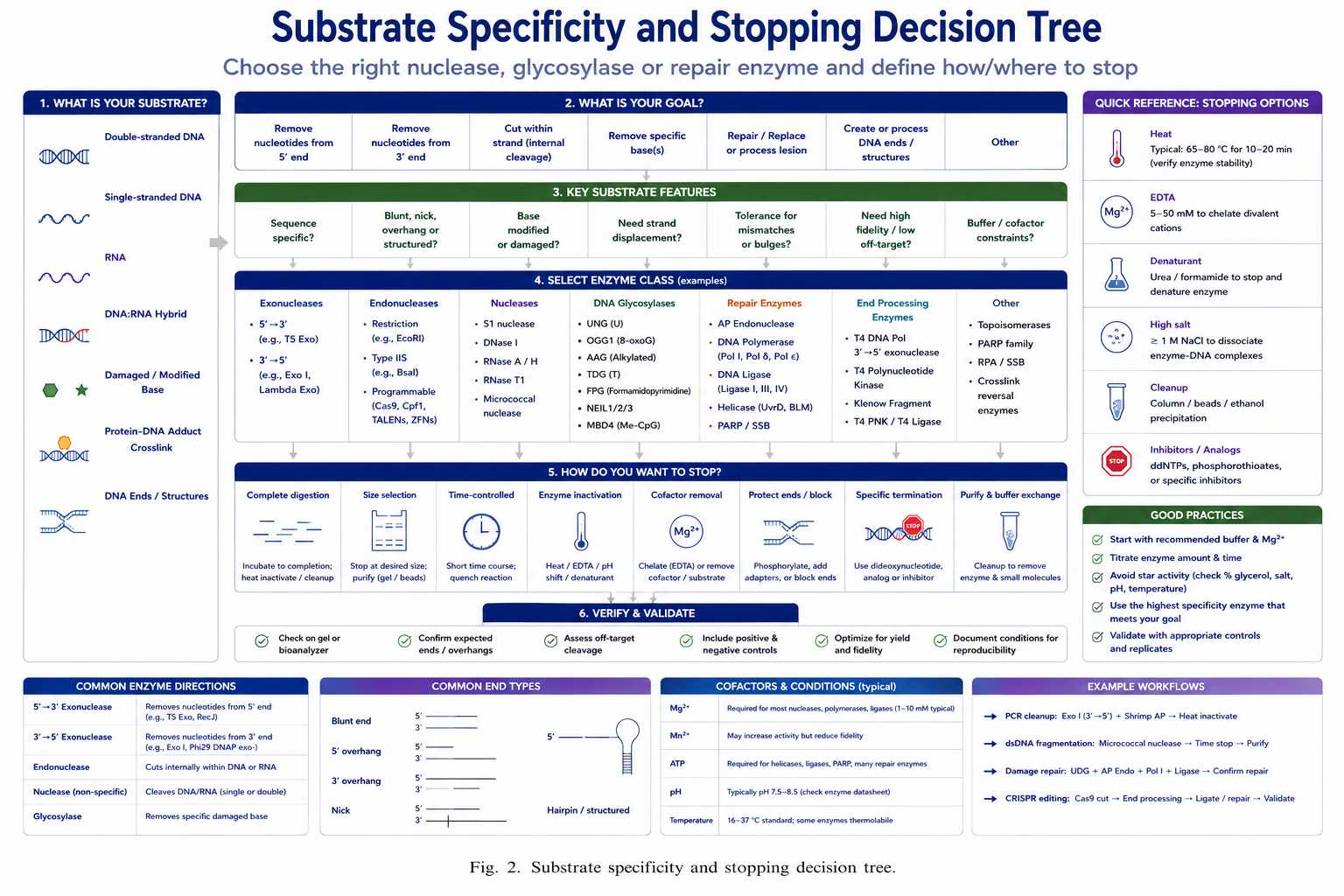 Fig 2. Substrate specificity and stopping decision tree.
(Creative Enzymes Diagnostic)
Creative Enzymes supplies UDG, DNase, exonuclease, micrococcal nuclease, and related materials for molecular assay research and reagent development. Select a product name to review its available information.
| Product | Catalog | EC number | Source | Activity |
|---|---|---|---|---|
| E. coli Uracil-DNA glycosylase (UDG) | DIA-462 | E. coli | ||
| Heat-labile Uracil-DNA glycosylase (UDG) | DIA-463 | |||
| DNase I (Glycerol-free) | DIA-469 | |||
| DNase I (Lyo) | DIA-470 | |||
| Exonuclease I (E. coli) | DIA-568 | Escherichia coli | ||
| Micrococcal Nuclease | DIA-572 |
Activity values use product-specific assay definitions. Review the stated method and test conditions before comparing unit values across materials.
The process must remove or modify the intended substrate while preserving downstream function. Qualification should include a residual-activity test rather than assuming that the stopping step is complete.
Specify the nucleic acid to process, the target to preserve, the desired products, and the allowable residual material.
Optimize enzyme, cofactors, time, and temperature with representative substrate structures and controls.
Measure residual functional activity after heat treatment, chelation, inhibition, cleanup, or physical removal.
Carry treated samples into amplification, sequencing, detection, or storage and establish lot-bridging criteria.
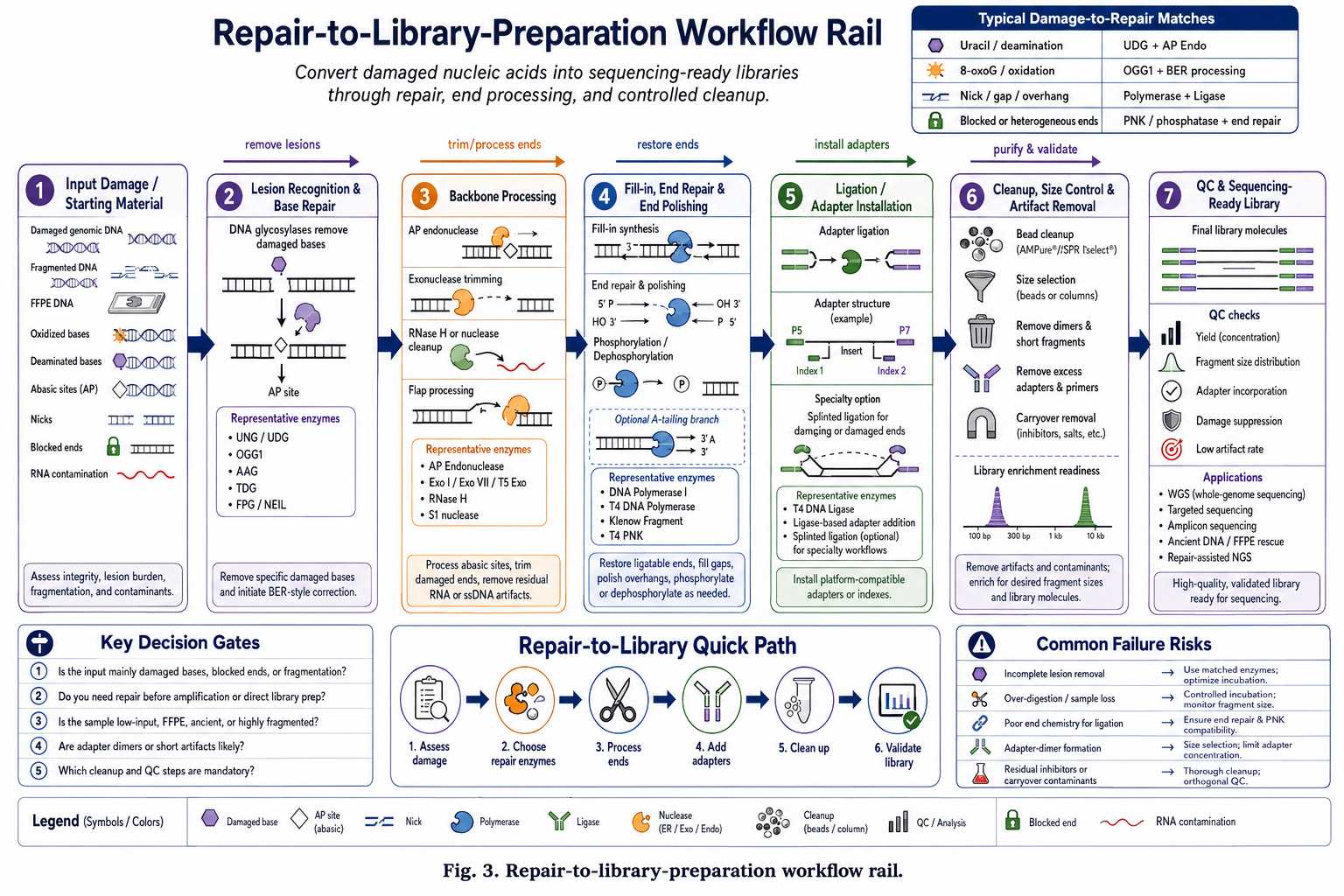 Fig 3. Repair-to-library-preparation workflow rail.
(Creative Enzymes Diagnostic)
Provide the nucleic-acid type and structure, material to remove or repair, target to preserve, buffer and cofactor conditions, stopping method, downstream assay, format, scale, and documentation requirements.
An endonuclease cuts within a strand, whereas an exonuclease removes nucleotides from an accessible end. Substrate and end structure determine which activity is useful.
An enzyme may remain active after the nominal stopping step and later damage primers, probes, templates, or amplification products.
UDG removes uracil from DNA made with dUTP, creating abasic sites that prevent previous amplification products from serving as effective templates.
It can simplify thermal inactivation, provided that the complete workflow demonstrates sufficient processing before heat treatment and negligible activity afterward.
Not by itself. Short fragments, damaged targets, and active enzyme may remain. Use structure-specific analysis and the intended downstream assay.
Include substrate and cleavage mode, activity method, cofactor requirements, formulation, contaminating-activity limits, inactivation behavior, storage, and a functional acceptance test.
These sources support the scientific classification and technical selection criteria. Product specifications must be confirmed in current Creative Enzymes documentation.