
Lactate is a normal product of cellular metabolism and an important intermediate between glycolysis, oxidative metabolism, and hepatic or renal clearance. Its concentration can change rapidly in response to altered production, utilization, transport, or clearance, making specimen collection and analytical timing especially important.
Enzymatic lactate assays commonly use lactate oxidase or NAD-dependent L-lactate dehydrogenase. Lactate oxidase produces hydrogen peroxide for colorimetric or electrochemical detection, while L-lactate dehydrogenase links lactate oxidation to NADH formation. These methods measure lactate concentration and should be distinguished from assays that measure lactate dehydrogenase activity as the analyte.
Creative Enzymes supplies lactate oxidase, L-lactate dehydrogenase, reporter enzymes, and related components for lactate reagent development, biochemical analysis, point-of-care devices, and biosensor systems.
Lactate and pyruvate are connected through a reversible reaction that also interconverts NADH and NAD+. Lactate is continuously produced and consumed under normal physiological conditions rather than being generated only when oxygen is absent.
Lactate measurement may support laboratory analysis or research involving:
A lactate result does not identify the cause of an abnormal concentration. Interpretation depends on specimen type, collection conditions, clinical context, time course, medications, organ function, and other findings.
L-lactate is the principal stereoisomer produced by human metabolism and the target of most routine blood lactate assays. D-lactate is a distinct stereoisomer that may arise from microbial or other metabolic pathways.
Many lactate enzymes are stereospecific. An enzyme that measures L-lactate should not be assumed to detect D-lactate, and an assay designed for D-lactate should not be used to report total or L-lactate without supporting data.
The measurement procedure should define:
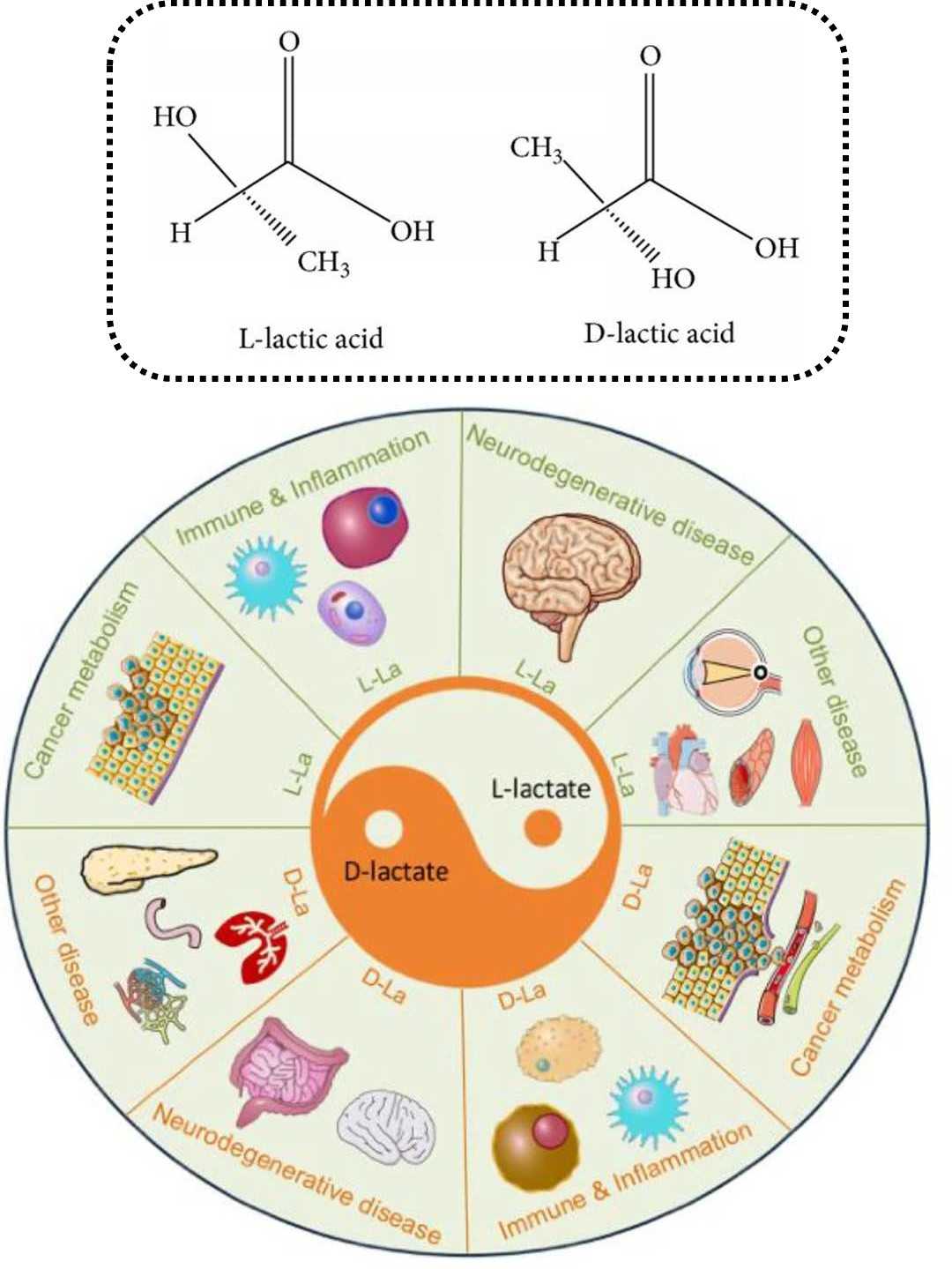 Figure 1. (Top) Optical forms of lactate: L(+) and D(−) lactate. (Hernández et al., 2014) (Bottom) Schematic diagram of L- and D-lactate in various diseases. (Li et al., 2025)
The similar terminology can obscure an important analytical distinction. A lactate concentration assay measures lactate in the specimen, whereas an LDH activity assay measures the catalytic activity of lactate dehydrogenase present in the specimen.
| Measurement | Analyte | Enzyme Role | Reported Quantity |
|---|---|---|---|
| Lactate concentration assay | Lactate in the specimen | Lactate oxidase or L-lactate dehydrogenase is supplied as a reagent enzyme | Lactate concentration, such as mmol/L |
| LDH activity assay | Lactate dehydrogenase in the specimen | LDH from the specimen catalyzes the indicator reaction; lactate or pyruvate may serve as a substrate | Catalytic activity, such as U/L |
| LDH isoenzyme analysis | One or more LDH isoenzyme fractions | LDH is the target of differentiation or quantification | Isoenzyme activity, proportion, or concentration, depending on the method |
Lactate oxidase catalyzes the oxygen-dependent oxidation of L-lactate:
L-Lactate + O2 → Pyruvate + H2O2
The generated hydrogen peroxide can be converted into a colorimetric, fluorometric, or electrochemical signal. In a colorimetric method, a peroxidase reaction is commonly used:
H2O2 + reduced reporter substrates → oxidized detectable product + H2O
This route is adaptable to liquid reagents, dry chemistry, test strips, and biosensors. Oxygen availability, peroxide recovery, reporter compatibility, and reducing-substance interference must be evaluated for the complete system.
L-lactate dehydrogenase catalyzes a reversible cofactor-dependent reaction:
L-Lactate + NAD+ ⇌ Pyruvate + NADH + H+
For lactate concentration measurement, reagent LDH and NAD+ are supplied under conditions designed to support lactate oxidation. NADH formation can then be followed by ultraviolet absorbance or another compatible detection approach.
The reaction is reversible, so pH, cofactor concentration, product accumulation, enzyme loading, and reaction timing influence conversion. A finished method must demonstrate adequate recovery and linearity across its claimed measuring range.
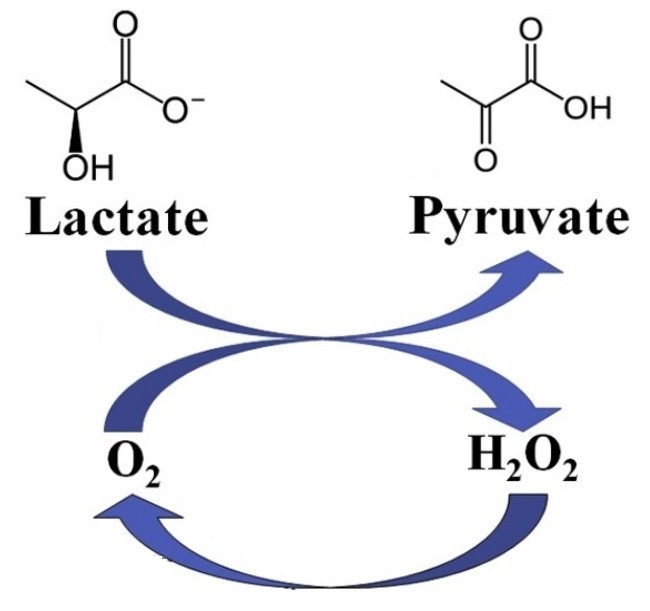 Figure 2. Enzymatic Routes to a Lactate Signal. (Cunha-Silva et al., 2019)
Electrochemical systems may detect hydrogen peroxide generated by lactate oxidase, oxygen consumption, or electron transfer through a mediator or other redox pathway. The enzyme is only one part of the sensor architecture.
Sensor performance can also depend on:
| Product | Product Role | Relevant Application |
|---|---|---|
| Lactate Oxidase from Microorganism | L-lactate recognition enzyme that generates hydrogen peroxide | Enzymatic lactate determination, colorimetric reagent development, and compatible biosensor systems |
| Native Lactate Oxidase from Microorganism | Lactate oxidase raw material for peroxide-generating assays | Lactate assay kits, blood or body-fluid method development, and analytical sensor evaluation |
| L-Lactate Dehydrogenase from Porcine, Recombinant | NAD-dependent L-lactate/pyruvate interconversion enzyme | Biochemical lactate assays, coupled reactions, method development, and analytical research |
| Native Horseradish Peroxidase | Candidate reporter enzyme for hydrogen peroxide detection | Signal generation in lactate oxidase systems after formulation and reporter-chemistry compatibility testing |
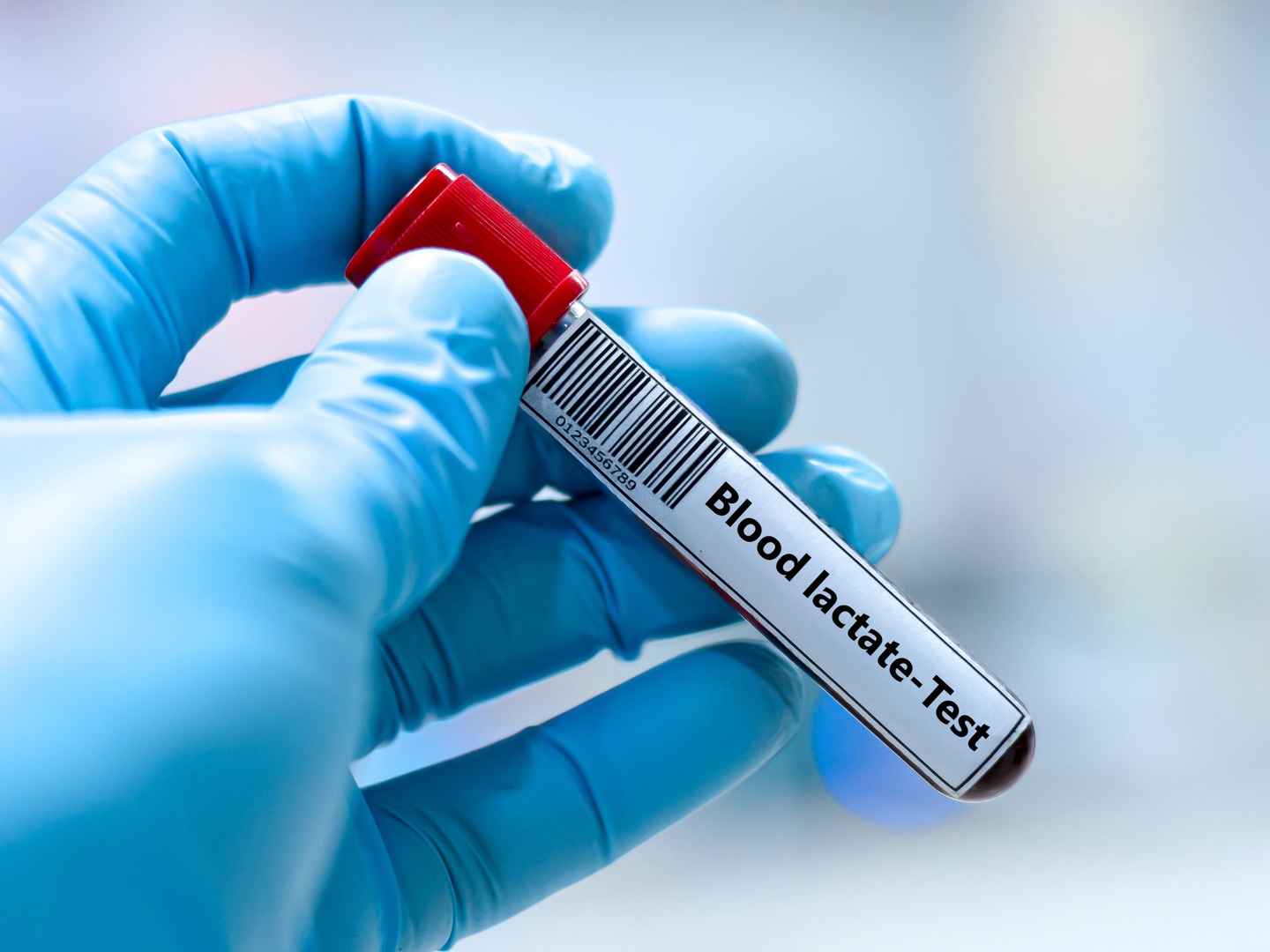
Clinical lactate testing may use plasma, whole blood, or another specimen validated by the measurement system. Central laboratory and point-of-care methods can differ in sample preparation, cellular content, calibration, and reporting characteristics.
Results from different specimen types or platforms should not be treated as interchangeable without method-comparison data.
Lactate is also measured outside human clinical testing. Matrix composition, expected concentration, sample preparation, and required stereospecificity can differ substantially among these applications.
A method validated for blood should not automatically be applied to culture media, food extracts, or fermentation samples. Each matrix may introduce different color, turbidity, redox compounds, salts, or enzyme inhibitors.
Lactate can change after specimen collection because blood cells remain metabolically active. Collection technique, cellular separation, storage temperature, and elapsed time can therefore affect the reported concentration independently of the analytical reagent.
| Preanalytical Factor | Possible Effect | Method-Development Consideration |
|---|---|---|
| Prolonged venous stasis or repeated fist activity | May alter local metabolism and increase the measured lactate concentration | Define and standardize the specimen-collection procedure |
| Delay before analysis or cell separation | Continued glycolysis may increase lactate after collection | Establish maximum processing time and validated stabilization conditions |
| Specimen temperature | Affects cellular metabolism and analyte stability | Validate transport and storage conditions for the intended tube and workflow |
| Whole blood versus plasma | Differences in cellular content and matrix may influence the analytical response | Validate each claimed specimen type and reporting model separately |
| Anticoagulant or collection additive | May affect enzyme activity, dilution, ionic composition, or analyte stability | Define acceptable collection tubes using method-specific data |
| Hemolysis | May introduce intracellular material, color, or enzyme-related interference | Establish a method-specific hemolysis limit with the complete reagent |
| Sample contamination | Intravenous fluids or other external sources may dilute or alter the specimen | Define collection-site and sample-acceptance requirements |
Before selecting an enzyme, determine whether the method is intended to measure:
The enzyme may function as:
Selection criteria may include:
Need Help Selecting a Lactate Assay Enzyme?
Share the target stereoisomer, specimen matrix, analytical platform, detection principle, measuring range, reagent format, and expected production scale with our technical team.
Request Lactate Assay Product Support
Q1. Is a lactate assay the same as an LDH assay?
Q2. What is the difference between lactate oxidase and lactate dehydrogenase?
Q3. Does a routine L-lactate assay also measure D-lactate?
Q4. Why is oxygen important in a lactate oxidase assay?
Q5. Why must lactate samples be processed promptly?
Q6. Can lactate oxidase be used in both colorimetric and electrochemical assays?
Q7. Can Kit-013 be used to measure lactate concentration?
Q8. Can a blood lactate method be used directly for fermentation or food samples?
Q9. Can Creative Enzymes support custom lactate reagent development?
