
Direct enzyme conjugates
An enzyme is covalently linked to an antibody, antigen, or other affinity reagent to create a compact detection reagent.

Horseradish peroxidase, alkaline phosphatase, and streptavidin–enzyme systems convert binding events into measurable signals. Selection requires a compatible enzyme, coupling chemistry, affinity architecture, substrate, surface, and stability strategy.
In a direct conjugate, the reporter enzyme is attached to an antibody or another affinity reagent. In a streptavidin architecture, a biotinylated reagent binds a streptavidin–enzyme conjugate. Direct labeling reduces the number of binding components; a biotin–streptavidin bridge provides modularity and may change effective reporter loading. Neither architecture is inherently superior for every assay.
HRP and alkaline phosphatase use different substrate chemistries and respond to different inhibitors. Conjugation can also reduce enzyme activity, alter antibody binding, increase aggregation, or change nonspecific adsorption. The relevant material attributes must therefore be measured after coupling and in the final assay format.
An enzyme is covalently linked to an antibody, antigen, or other affinity reagent to create a compact detection reagent.
A streptavidin–enzyme conjugate detects biotinylated affinity reagents and supports modular assay assembly.
HRP or alkaline phosphatase converts a chromogenic substrate into an absorbance signal for plate or membrane formats.
Reporter-specific substrates provide alternative signal modes when the instrument and required range support them.
Choose the reporter from substrate chemistry and interference risk, then optimize the coupling and affinity architecture for retained activity, binding, and stability.
HRP supports rapid chromogenic and chemiluminescent detection with peroxide-dependent substrates.
Check: peroxide, preservative sensitivity, substrate kinetics, and stop solution.
Alkaline phosphatase supports colorimetric, fluorescent, and luminescent substrates through phosphate hydrolysis.
Check: metal ions, phosphate contamination, endogenous phosphatase, and substrate stability.
These systems connect biotinylated binders to HRP signal while adding a defined bridging interaction.
Check: biotin density, free biotin, valency, and nonspecific binding.
A streptavidin bridge can also carry alkaline-phosphatase signal chemistry.
Check: biotin interaction, phosphatase inhibitors, and working-time requirements.
Other reporters may be useful when orthogonal chemistry, different kinetics, or a specific device format is required.
Check: substrate availability, coupling recovery, reader compatibility, and supply.
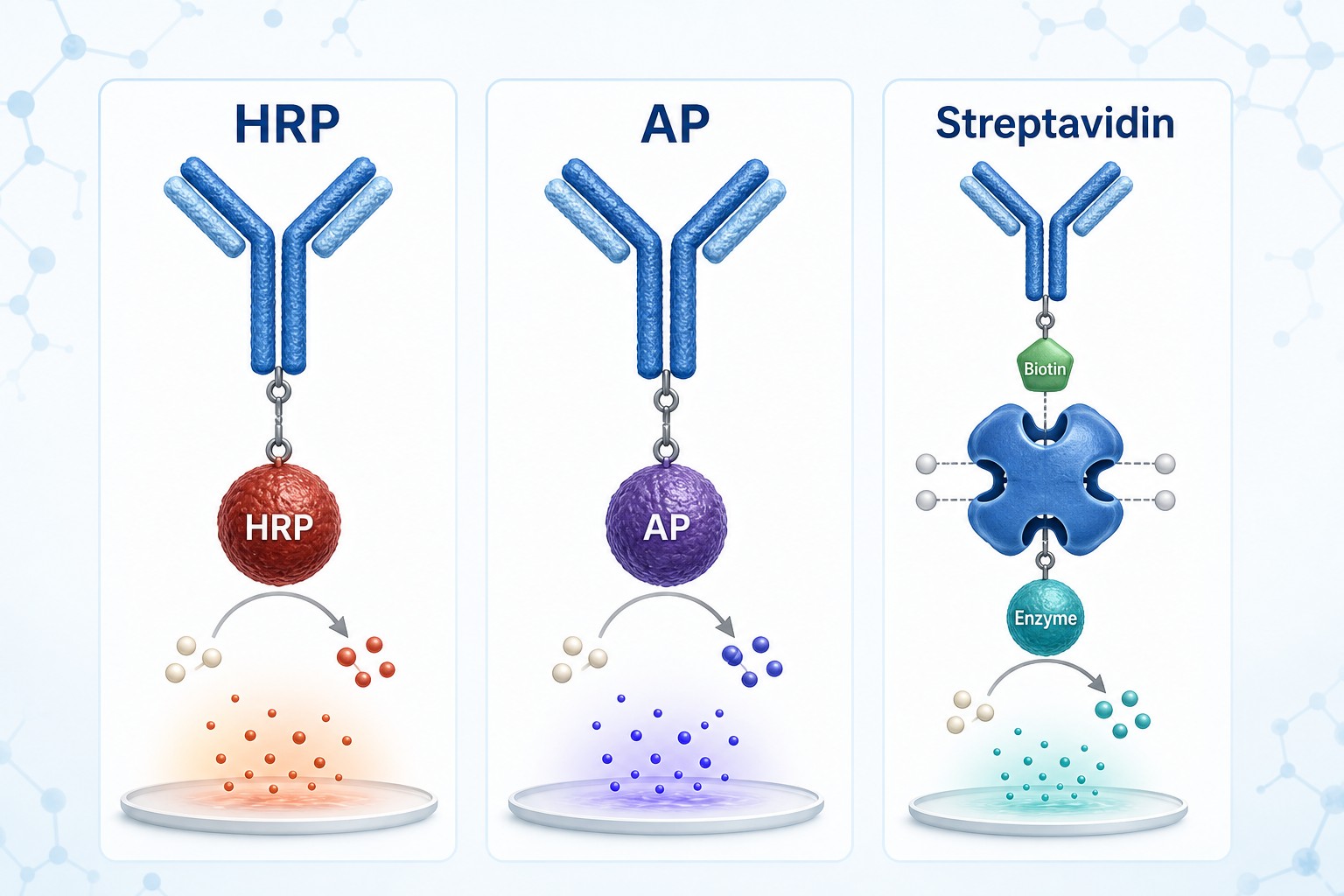 Fig 1. HRP AP and streptavidin conjugate selector.
(Creative Enzymes Diagnostic)
Compare architectures at matched binding-reagent concentration and with the intended surface, wash conditions, substrate, and reader. Signal intensity without blank and binding data is not sufficient.
| Selection factor | How to evaluate it | Why it matters |
|---|---|---|
| Reporter chemistry | Match HRP, alkaline phosphatase, or another enzyme to the substrate, signal mode, kinetic window, and instrument. | Reporter chemistry determines reaction conditions, stopping method, background sources, and useful read time. |
| Direct or bridged format | Compare a direct conjugate with a biotin–streptavidin architecture at equivalent affinity-reagent input. | The architecture changes reagent count, reporter loading, nonspecific binding, and manufacturing controls. |
| Conjugation ratio | Measure enzyme-to-binder distribution together with retained binding and retained catalytic activity. | Higher loading can increase signal but also reduce affinity, solubility, and stability. |
| Surface and matrix | Test the conjugate on the final plate, membrane, particle, or solution format with representative matrices. | Transport, adsorption, washing, and endogenous enzyme or biotin can alter the observed response. |
| Background and dynamic range | Run blanks, nonspecific binders, negative matrices, and analyte levels across the required range. | A bright reporter can still fail if blank signal compresses low-end discrimination. |
| Working and storage stability | Assess concentrated stock, working dilution, repeated use, shipping, liquid storage, and dried or lyophilized formats as applicable. | Dilution and surface exposure may destabilize a conjugate differently from the bulk stock. |
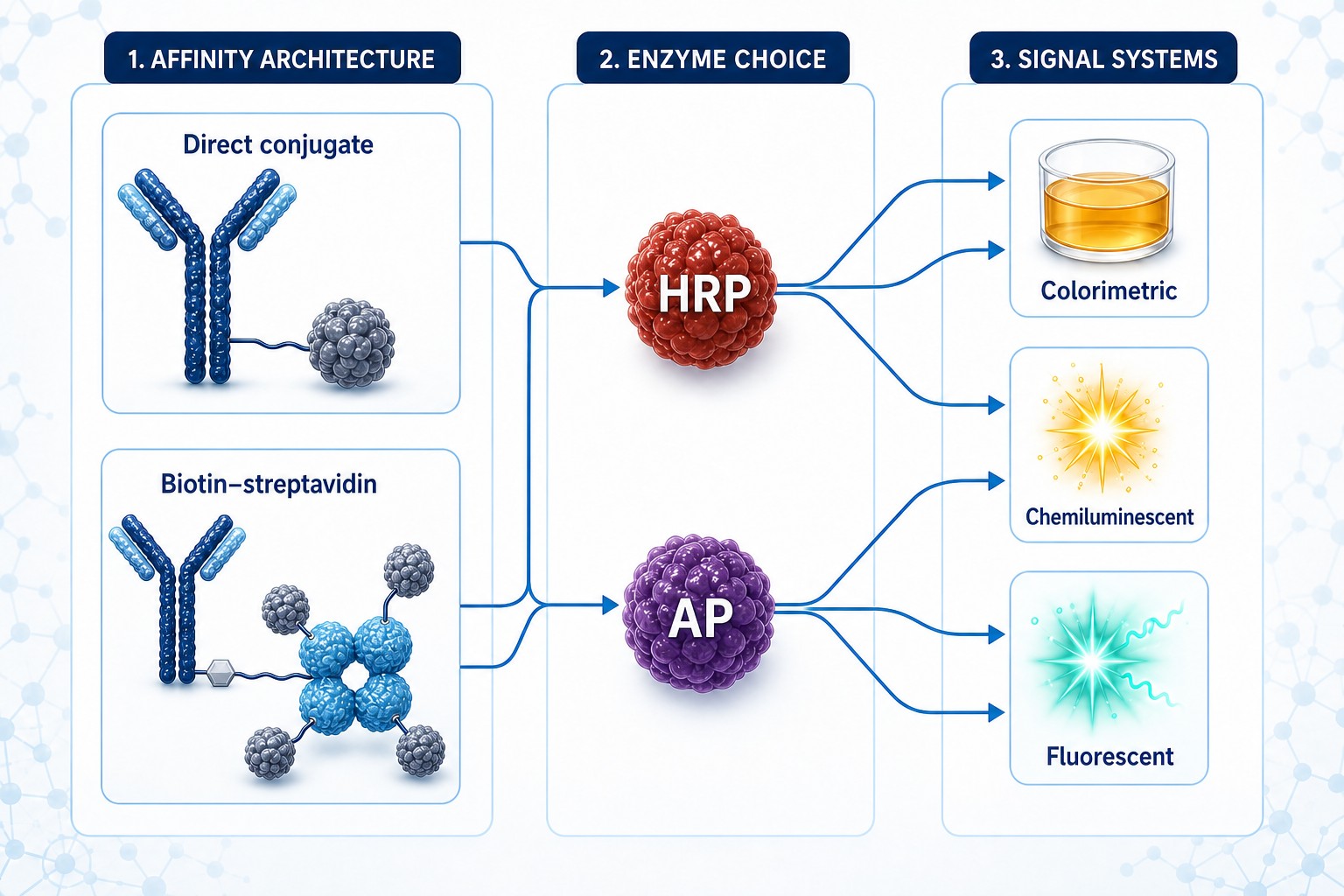 Fig 2. Affinity architecture to signal-system map.
(Creative Enzymes Diagnostic)
Creative Enzymes supplies HRP and alkaline-phosphatase enzyme inputs that may support conjugate and signal-reagent development. Finished conjugate requirements, coupling chemistry, and target specifications should be discussed for the intended assay. Select a product name to review the enzyme information.
| Product | Catalog | EC number | Source | Activity |
|---|---|---|---|---|
| Native Horseradish Peroxidase | PHAM-231 | EC 1.11.1.7 | Horseradish | > 150 units/mg |
| Alkaline Phosphatase | TRA-047 | Genetically engineered Pichia pastoris carrying bovine intestinal alkaline phosphatase gene | ≥ 2000 U/mg | |
| Alkaline Phosphatase, Low Glycosylation | TRA-048 | Genetically engineered Pichia pastoris carrying bovine intestinal alkaline phosphatase gene | ≥ 2000 U/mg |
Activity values use product-specific assay definitions. Review the stated method and test conditions before comparing unit values across materials.
Qualification should connect conjugate composition to binding and signal performance. The assay must retain acceptable blank, analytical range, precision, and stability after the chosen coupling process.
Specify affinity reagent, direct or bridged design, surface, sample matrix, substrate, instrument, and target signal window.
Measure coupling distribution, free components, aggregation, retained binding, and retained enzyme activity.
Titrate conjugate and substrate with the final blocking, washing, timing, and matrix conditions.
Set release limits for identity, activity, binding, background, stability, lot bridging, packaging, and change notification.
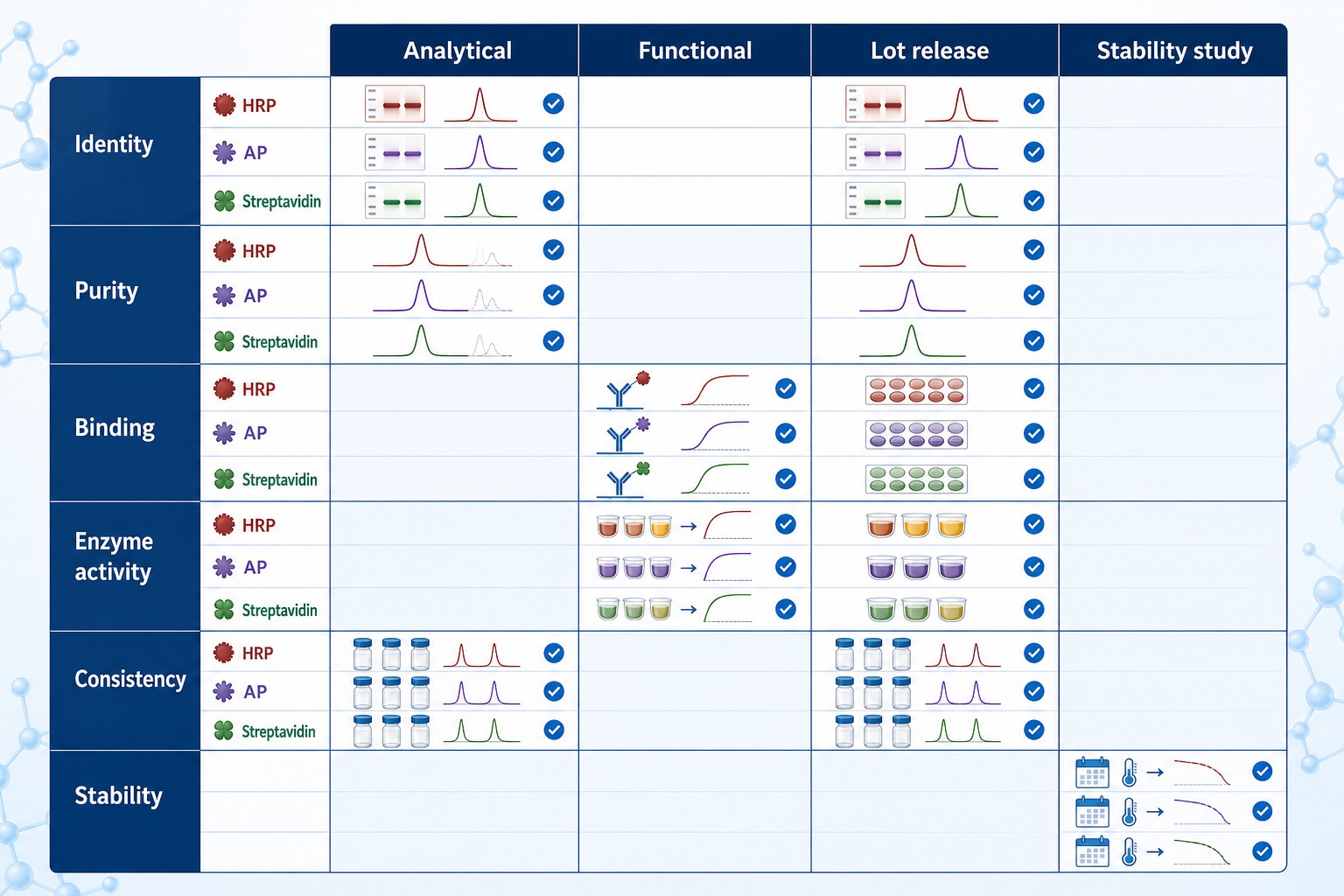 Fig 3. Conjugate qualification evidence matrix.
(Creative Enzymes Diagnostic)
Provide the affinity reagent, desired reporter, direct or streptavidin format, coupling chemistry, assay surface, substrate and reader, target signal and blank limits, matrix, final format, quantity, and documentation needs.
It can simplify the assay architecture and reduce reagent steps. Coupling must preserve both antibody binding and enzyme activity.
Compare substrate and reader options, endogenous activity, inhibitors, kinetic window, stopping method, and stability in the intended assay.
High loading can change affinity, aggregation, adsorption, wash behavior, and substrate turnover, increasing signal unrelated to specific binding.
Evaluate biotin density, free and endogenous biotin, valency, nonspecific binding, reporter activity, and performance on the intended surface.
No. A finished conjugate has additional requirements for coupling distribution, retained affinity, free enzyme, aggregation, background, and storage stability.
Compare binding curves, blank response, signal range, precision, substrate kinetics, stability, and performance with representative assay matrices.
These sources support the scientific classification and technical selection criteria. Product specifications must be confirmed in current Creative Enzymes documentation.