
Cell and tissue lysis
Proteolysis helps disrupt protein structures and release nucleic acids or other targets from biological material.

| Catalog | Product Name | EC No. | CAS No. | Source | Price |
|---|---|---|---|---|---|
| MDE-005 | High-End Proteinase K | Inquiry |
Proteases digest proteins that trap nucleic acids, increase viscosity, protect nucleases, or interfere with downstream reactions. Effective sample preparation requires sufficient digestion while preserving the target analyte and preventing active protease from entering later assay steps.
Proteinase K is widely used in nucleic-acid extraction because it digests a broad range of proteins and remains active under several lysis conditions. Other proteases may be chosen for a defined cleavage site, a narrower pH range, immobilized handling, or compatibility with a particular matrix. Protease choice should follow the barrier that must be removed and the target that must remain intact.
More digestion is not always better. Excess enzyme, long incubation, or incomplete stopping can damage antibody reagents, protein analytes, polymerases, and reporter enzymes. Heat, inhibitors, purification, or physical separation must be tested in the exact matrix because proteins and detergents can protect residual protease activity.
Proteolysis helps disrupt protein structures and release nucleic acids or other targets from biological material.
Digestion of endogenous nucleases can protect DNA or RNA during extraction and storage.
Removing proteins can reduce viscosity, nonspecific binding, and inhibition in amplification or analytical reactions.
Sequence-selective or immobilized proteases support workflows that require a defined cleavage event or easy enzyme removal.
Broad-spectrum activity is useful for general lysis, while target-sensitive assays may require narrower specificity or a removable format. Stopping behavior is part of product selection.
This broad-spectrum serine protease supports nucleic-acid extraction and lysis across several detergent and temperature conditions.
Check: digestion temperature, detergent compatibility, target recovery, and inactivation.
Proteases with defined recognition sites can process tags, fusion proteins, or controlled analytical substrates.
Check: recognition sequence, secondary cleavage, and stopping method.
Different pH profiles may suit matrices or targets that are unstable under strongly alkaline conditions.
Check: working pH, neutralization, and downstream buffer compatibility.
Elevated-temperature digestion can accelerate lysis and reduce some secondary structures.
Check: target stability, evaporation, and reliable post-digestion inactivation.
A solid support allows physical separation after controlled exposure to the sample.
Check: accessible activity, mass transfer, leaching, bead recovery, and carryover.
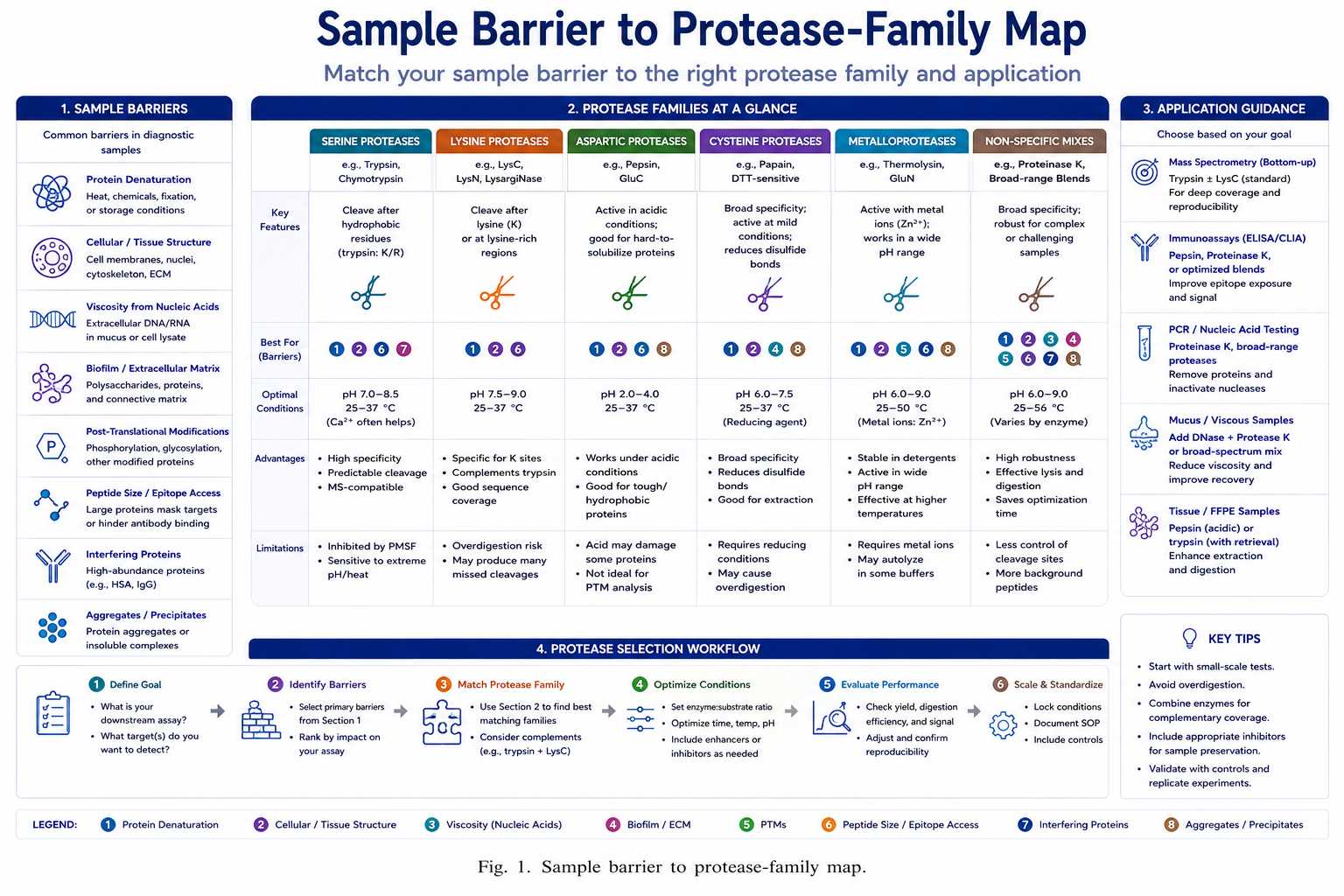 Fig 1. Sample barrier to protease-family map.
(Creative Enzymes Diagnostic)
Measure target recovery and downstream assay performance, not protein digestion alone. The preferred condition removes the matrix barrier without creating a new inhibitor or damaging the target.
| Selection factor | How to evaluate it | Why it matters |
|---|---|---|
| Matrix and protein barrier | Define the sample type, protein composition, viscosity, particulate burden, and structure to disrupt. | Substrate access and digestion rate differ among tissues, fluids, cultures, and processed materials. |
| Target to preserve | Identify the DNA, RNA, antigen, enzyme, or small molecule that must remain functional. | Protease conditions can improve release while damaging a protein target or a downstream reagent. |
| Lysis chemistry | Test pH, temperature, detergents, chaotropes, salts, reducing agents, and protease concentration together. | These variables affect both digestion and compatibility with the next assay step. |
| Digestion endpoint | Measure target recovery, residual protein, viscosity, and required incubation time. | An endpoint based only on visual clarity may miss inhibitors or unnecessary target exposure. |
| Inactivation or removal | Verify heat, inhibitor, purification, dilution, or bead separation with a residual protease assay. | Active protease can damage polymerases, antibodies, reporters, and other downstream components. |
| Downstream functional recovery | Use the processed sample in the intended PCR, sequencing, immunoassay, or sensor workflow. | The final assay determines whether lysis improved usable target recovery. |
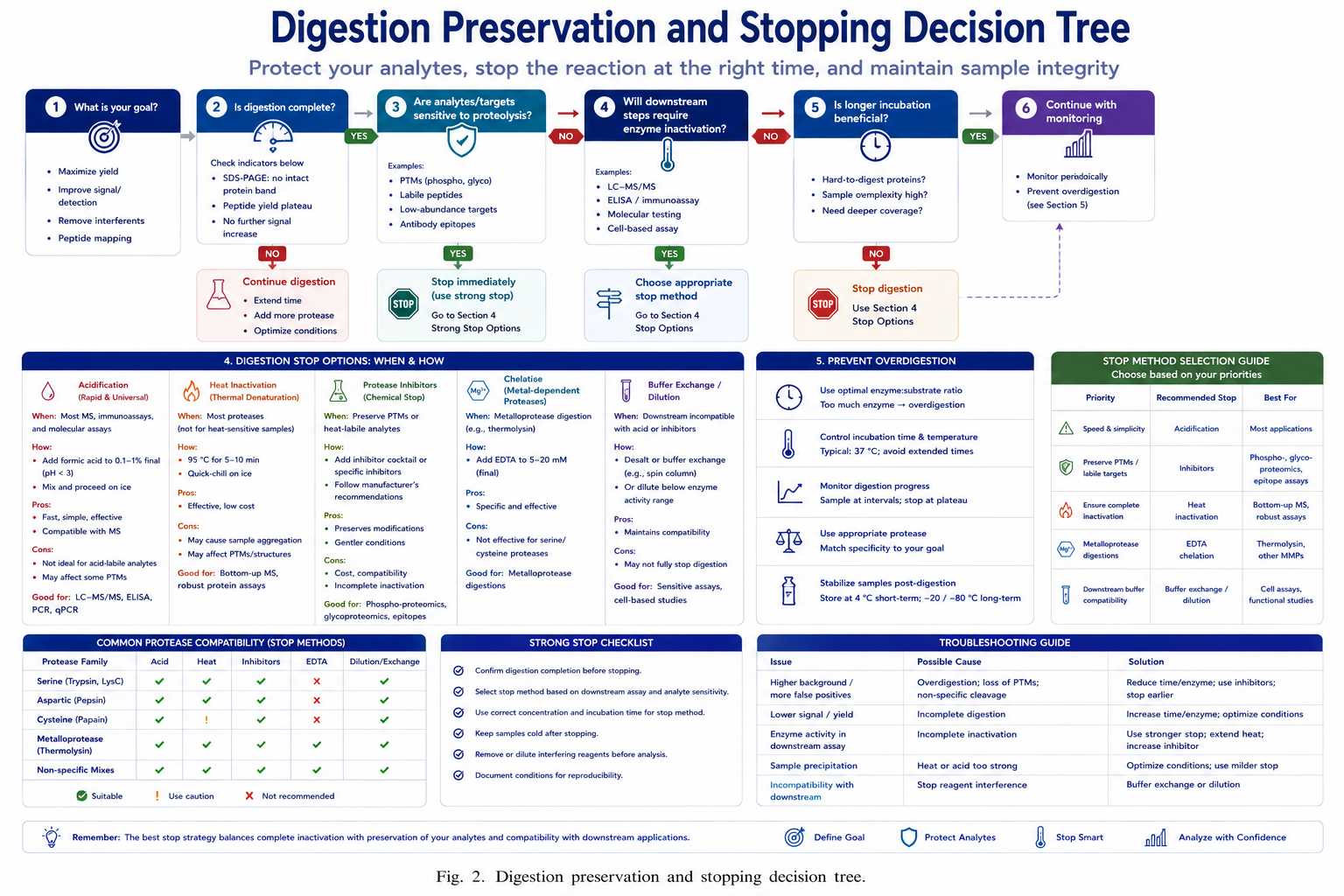 Fig 2. Digestion preservation and stopping decision tree.
(Creative Enzymes Diagnostic)
Creative Enzymes supplies Proteinase K for nucleic-acid sample preparation and related research workflows. Select the product name to review its available information.
| Product | Catalog | EC number | Source | Activity |
|---|---|---|---|---|
| Proteinase K (PRK) from Tritirachium album | DIA-421 | EC 3.4.21.64 | Recombinant Tritirachium album | ≥ 30 U/mg |
Activity values use product-specific assay definitions. Review the stated method and test conditions before comparing unit values across materials.
Qualification should define a digestion window: enough proteolysis to release the target and reduce inhibition, but not enough exposure or carryover to damage the downstream system.
Describe the sample, protein burden, target, lysis chemistry, required throughput, and measurable success criteria.
Vary enzyme concentration, time, temperature, and lysis components while measuring target recovery and residual inhibition.
Use a residual-activity test after the planned inactivation, cleanup, dilution, or separation step.
Set incoming activity, formulation, storage, process controls, lot bridging, and downstream functional acceptance criteria.
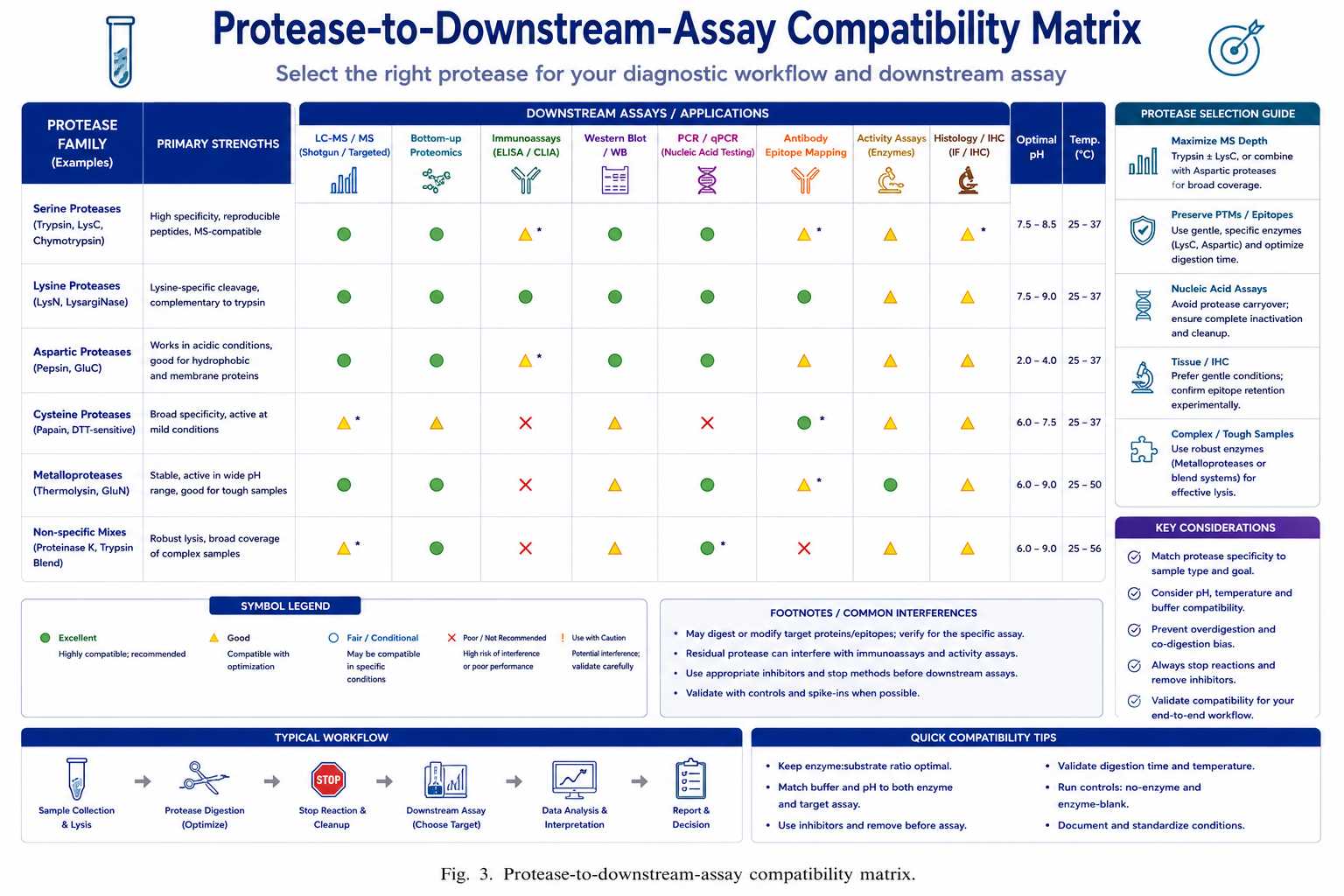 Fig 3. Protease-to-downstream-assay compatibility matrix.
(Creative Enzymes Diagnostic)
Provide the sample matrix, protein barrier, target to preserve, lysis buffer, temperature and time, inactivation or removal method, downstream assay, required format, scale, and quality-documentation needs.
Its broad proteolysis and compatibility with several lysis conditions can release nucleic acids and reduce nuclease activity. Matrix, target, detergent, time, and stopping conditions still require validation.
Excess or residual activity can damage protein targets, antibodies, polymerases, reporter enzymes, or other downstream reagents.
No. Enzyme concentration, buffer, time, temperature, detergents, and matrix proteins influence residual activity. Test the treated sample functionally.
It is useful when physical separation simplifies stopping, provided that support chemistry, accessible activity, leaching, and bead carryover are controlled.
Vary enzyme concentration, time, temperature, and lysis chemistry while measuring target recovery, residual inhibition, and downstream assay performance.
Confirm the activity definition, source, formulation, compatible lysis conditions, stopping method, storage, and effect on the downstream assay.
These sources support the scientific classification and technical selection criteria. Product specifications must be confirmed in current Creative Enzymes documentation.