
Calibration
Calibrators link measured response to assigned values across a defined working range.

Calibrators, controls, and reference materials serve different measurement functions. Their design requires a defined measurand, assigned value, matrix, traceability approach, homogeneity, stability, and acceptance rule appropriate to the diagnostic reagent system.
A calibrator establishes the relationship between instrument response and an assigned quantity. A control monitors whether an analytical system remains within expected limits. A reference material provides a defined material or value for calibration, method evaluation, or comparison. One material may support more than one purpose, but each intended use needs its own value assignment and acceptance criteria.
For enzyme-related assays, the measurand may be catalytic activity, mass concentration, analyte concentration, or a functional response. Activity values are method-defined and can change with substrate, temperature, pH, reaction time, and detection system. The material and the measurement procedure must therefore be specified together.
Calibrators link measured response to assigned values across a defined working range.
Control materials detect changes in reagent, instrument, operator, environment, or process performance.
A stable comparison panel helps determine whether a new enzyme or reagent lot performs consistently with the previous lot.
Reference materials and well-characterized panels support analytical comparison among methods or development stages.
Select the material by intended measurement function, then establish value assignment, matrix behavior, concentration levels, stability, and uncertainty.
These materials carry assigned values used to establish or verify a response curve.
Check: measurand, assignment method, range, uncertainty, and reconstitution.
Controls challenge expected detection and background at defined decision points.
Check: target level, matrix, acceptance limits, and failure detection.
A process control travels through extraction, reaction, or manufacturing steps to monitor recovery and inhibition.
Check: addition point, recovery, commutability, and interference with the target.
Characterized materials support method development, comparison, traceability, or long-term consistency.
Check: identity, homogeneity, stability, assigned value, and intended use.
A panel spanning key concentrations and matrices compares old and new reagent or enzyme lots.
Check: coverage, statistical acceptance, stability, and retained samples.
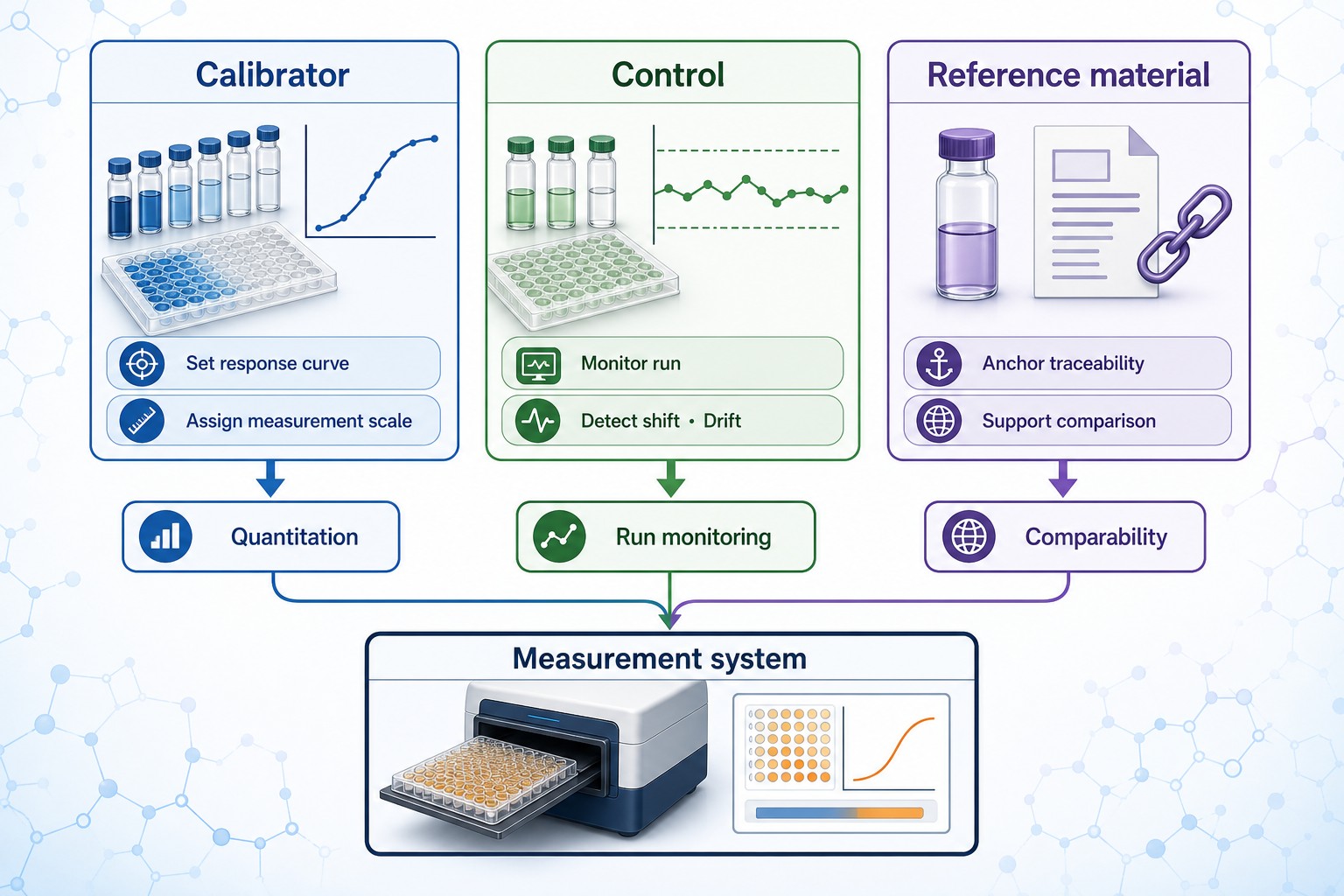 Fig 1. Calibrator control and reference-material role map.
(Creative Enzymes Diagnostic)
A useful material must behave sufficiently like the intended samples for its purpose and remain stable through its stated lifecycle. Nominal concentration alone does not establish suitability.
| Selection factor | How to evaluate it | Why it matters |
|---|---|---|
| Measurand and intended use | Define catalytic activity, mass, analyte concentration, or functional response and the decision the material supports. | Value assignment and acceptance criteria depend on what is being measured. |
| Matrix and commutability | Compare material behavior with representative samples across the intended procedures. | A noncommutable matrix may produce method-specific bias and misleading comparisons. |
| Value assignment | Document the reference procedure, calibrator hierarchy, replicate design, and uncertainty approach. | Traceable interpretation requires a clear relationship between the assigned value and measurement method. |
| Level and panel design | Choose negative, low, decision-point, mid, and high levels based on the use case. | A single concentration cannot reveal performance changes across the analytical range. |
| Homogeneity and stability | Assess between-unit variation, storage, shipping, reconstitution, open-vial, and freeze–thaw effects. | Material variability can be mistaken for assay or reagent variability. |
| Acceptance rules | Predefine allowable bias, precision, recovery, trend, or qualitative agreement for each use. | A control result is actionable only when the decision rule is established before testing. |
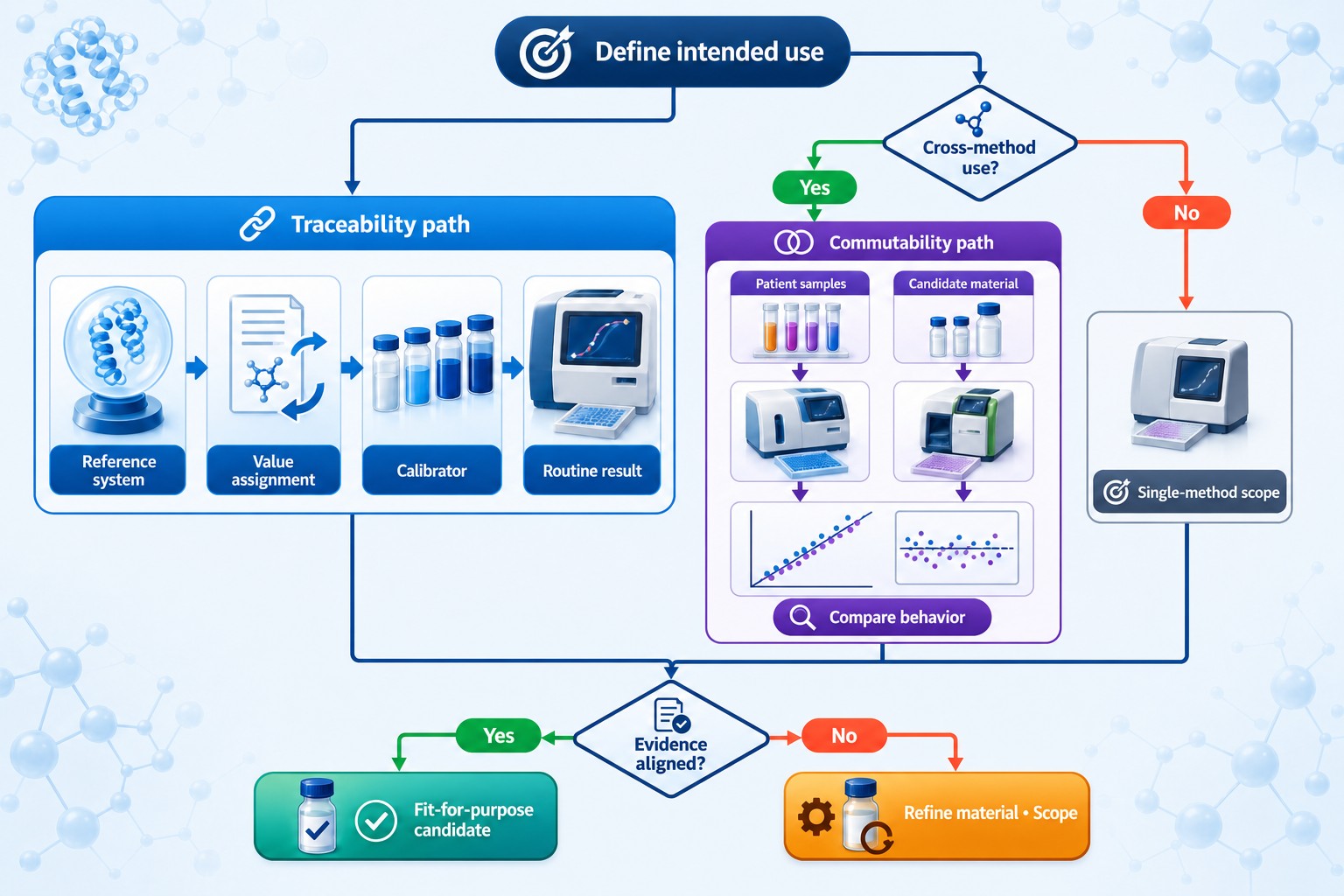 Fig 2. Traceability and commutability decision path.
(Creative Enzymes Diagnostic)
Material requirements depend on the measurand, assay platform, matrix, value-assignment approach, concentration range, and quality objective. Contact Creative Enzymes with the intended use so that appropriate options can be discussed.
Qualification should demonstrate that the material is homogeneous, stable, fit for its measurement function, and governed by clear acceptance criteria throughout production and use.
State the analytical quantity, assay platform, decision point, concentration range, matrix, and required traceability.
Establish preparation, value assignment, uncertainty, homogeneity, and handling instructions.
Compare representative procedures and evaluate shipping, storage, reconstitution, open-vial, and freeze–thaw conditions.
Define unit-level release, trend limits, lot bridging, retained samples, documentation, and change control.
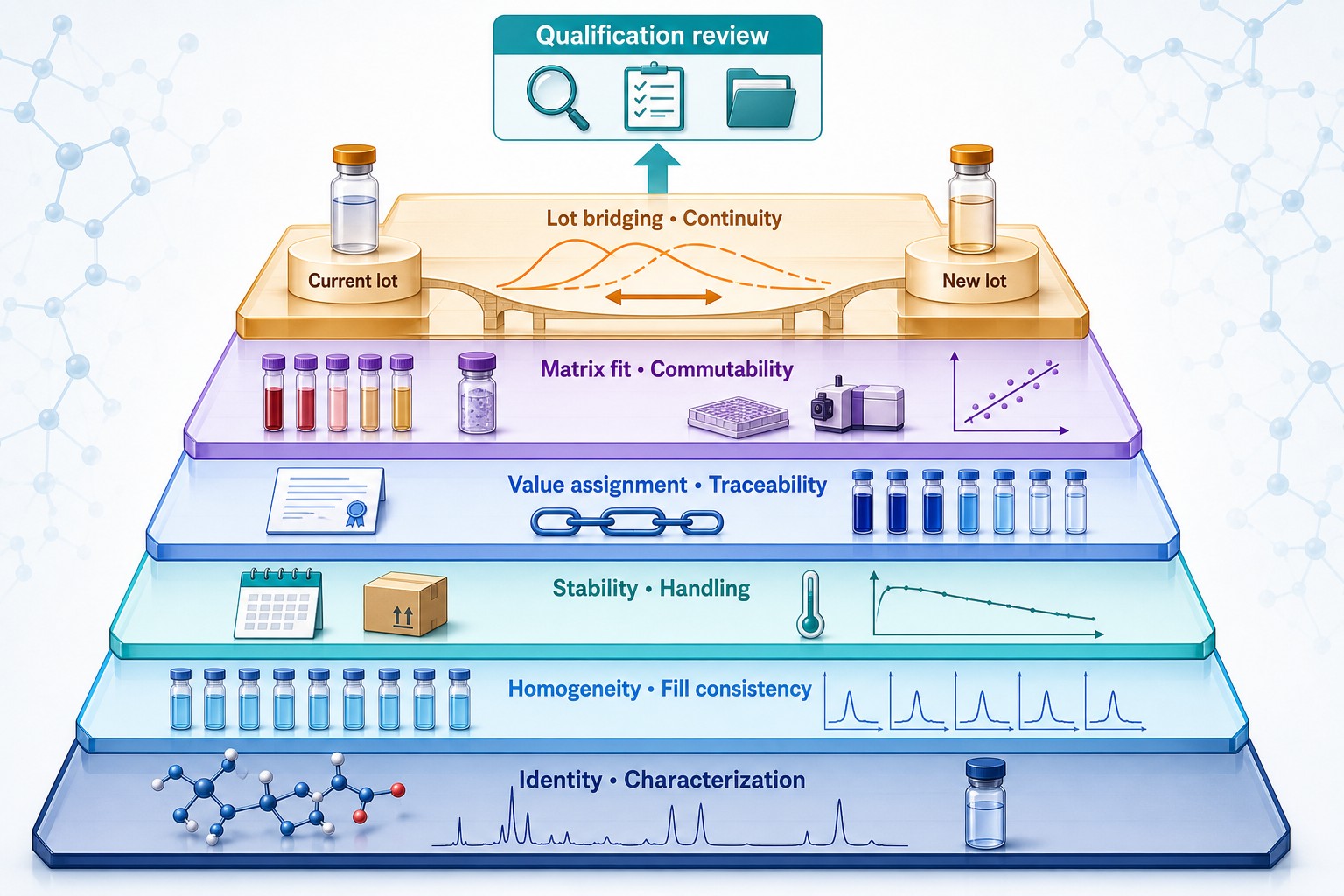 Fig 3. Material qualification and lot-bridging evidence stack.
(Creative Enzymes Diagnostic)
Provide the measurand, intended calibration or control function, assay platform, matrix, concentration levels, value-assignment and traceability needs, format, stability target, quantity, and documentation requirements.
A calibrator establishes the response-to-value relationship. A control monitors whether the analytical system continues to perform within defined limits.
A material is commutable when it behaves like representative samples across the measurement procedures for which comparison is intended.
No. Catalytic activity depends on substrate, buffer, temperature, time, and endpoint. The assigned value must reference a defined procedure.
Different levels reveal failures near the blank, decision points, middle range, and upper range that a single material may miss.
Evaluate shipping, long-term storage, accelerated stress, reconstitution, open-vial use, and freeze–thaw conditions that reflect the material lifecycle.
Typical needs include material identity, preparation, value assignment, uncertainty where applicable, homogeneity, stability, instructions, release results, and change control.
These sources support the scientific classification and technical selection criteria. Product specifications must be confirmed in current Creative Enzymes documentation.