
Conformational protection
Sugars, polyols, proteins, and selected polymers can reduce unfolding or aggregation under defined stresses.

Stabilizers, preservatives, buffers, and lyophilization excipients protect enzyme function during manufacture, storage, shipping, reconstitution, and use. A suitable formulation must preserve activity without disrupting the assay reaction or introducing background.
Enzymes can lose activity through unfolding, aggregation, oxidation, adsorption, proteolysis, interfacial stress, or chemical modification. Liquid storage, freezing, drying, and reconstitution expose the protein to different stresses, so one excipient combination rarely addresses every failure mechanism. The first task is to identify when and how activity is lost.
A stabilizer that protects the enzyme may still be unsuitable for the reagent system. Sugars, salts, polymers, proteins, surfactants, preservatives, reducing agents, and cofactors can change viscosity, optical background, primer annealing, antibody binding, microbial control, or downstream enzyme activity. Functional testing must use the complete assay.
Sugars, polyols, proteins, and selected polymers can reduce unfolding or aggregation under defined stresses.
Surfactants and carrier components can reduce adsorption and air–liquid or container-interface damage.
Buffers, antioxidants, chelators, cofactors, and reducing agents help control pH drift, oxidation, and metal-dependent reactions.
Preservatives support multi-use liquid reagents when they remain compatible with enzymes, affinity reagents, and detection chemistry.
Screen components by function, then test interactions and concentration. The useful formulation is the smallest compatible system that protects performance through the required lifecycle.
Trehalose, sucrose, glycerol, and related components can protect proteins during storage, freezing, or drying.
Check: glass formation, viscosity, osmolality, and reaction inhibition.
Carrier proteins and polymers may reduce surface adsorption and aggregation.
Check: purity, background, lot variation, viscosity, and analytical interference.
These components control pH, ionic strength, metal availability, and catalytic state.
Check: temperature-dependent pH, crystallization, and compatibility after reconstitution.
Surfactants protect interfaces; preservatives control microbial growth in suitable liquid reagents.
Check: enzyme inhibition, binding effects, optical background, and container interaction.
Bulking agents, lyoprotectants, and collapse-control components support cake structure and activity recovery.
Check: freeze concentration, residual moisture, cake properties, and reconstitution.
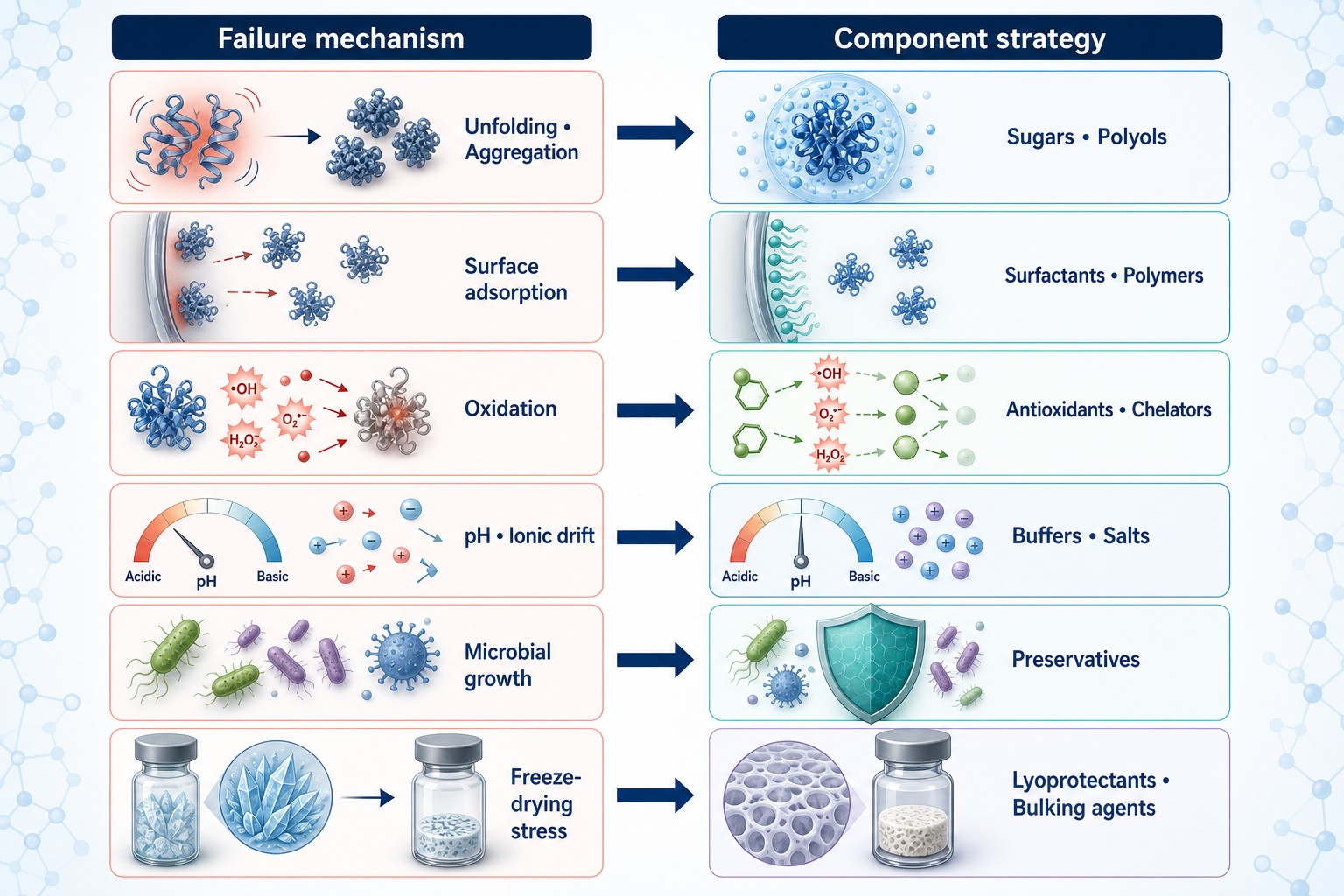 Fig 1. Failure mechanism to stabilizer-component map.
(Creative Enzymes Diagnostic)
Use stability-indicating functional assays and a structured stress study. Accelerated conditions can rank formulations, but real-time data are needed to support the intended shelf life.
| Selection factor | How to evaluate it | Why it matters |
|---|---|---|
| Failure mechanism | Measure activity, aggregation, appearance, adsorption, oxidation, and other relevant attributes through the planned stresses. | Different excipients address different degradation pathways. |
| Liquid, frozen, or dry format | Compare the actual storage, shipping, drying, and reconstitution sequence. | Freeze concentration and dehydration create stresses that are absent from ordinary liquid screening. |
| Assay compatibility | Test candidate formulations in the full amplification, immunoassay, chemistry, or sensor system. | Protective components may inhibit partner enzymes, alter binding, or change optical and electrochemical background. |
| Preservative requirement | Define microbial-control need, container use pattern, concentration, and compatibility with all active components. | Preservatives can suppress reporter enzymes or affect affinity reagents and membranes. |
| Reconstitution and use | Measure reconstitution time, mixing, concentration recovery, particulates, and working-solution stability. | A stable dry cake can still fail if it reconstitutes unevenly or loses activity after opening. |
| Packaging and process | Include fill volume, container closure, headspace, oxygen, light, moisture, and manufacturing hold times. | The container and process determine several stresses experienced by the reagent. |
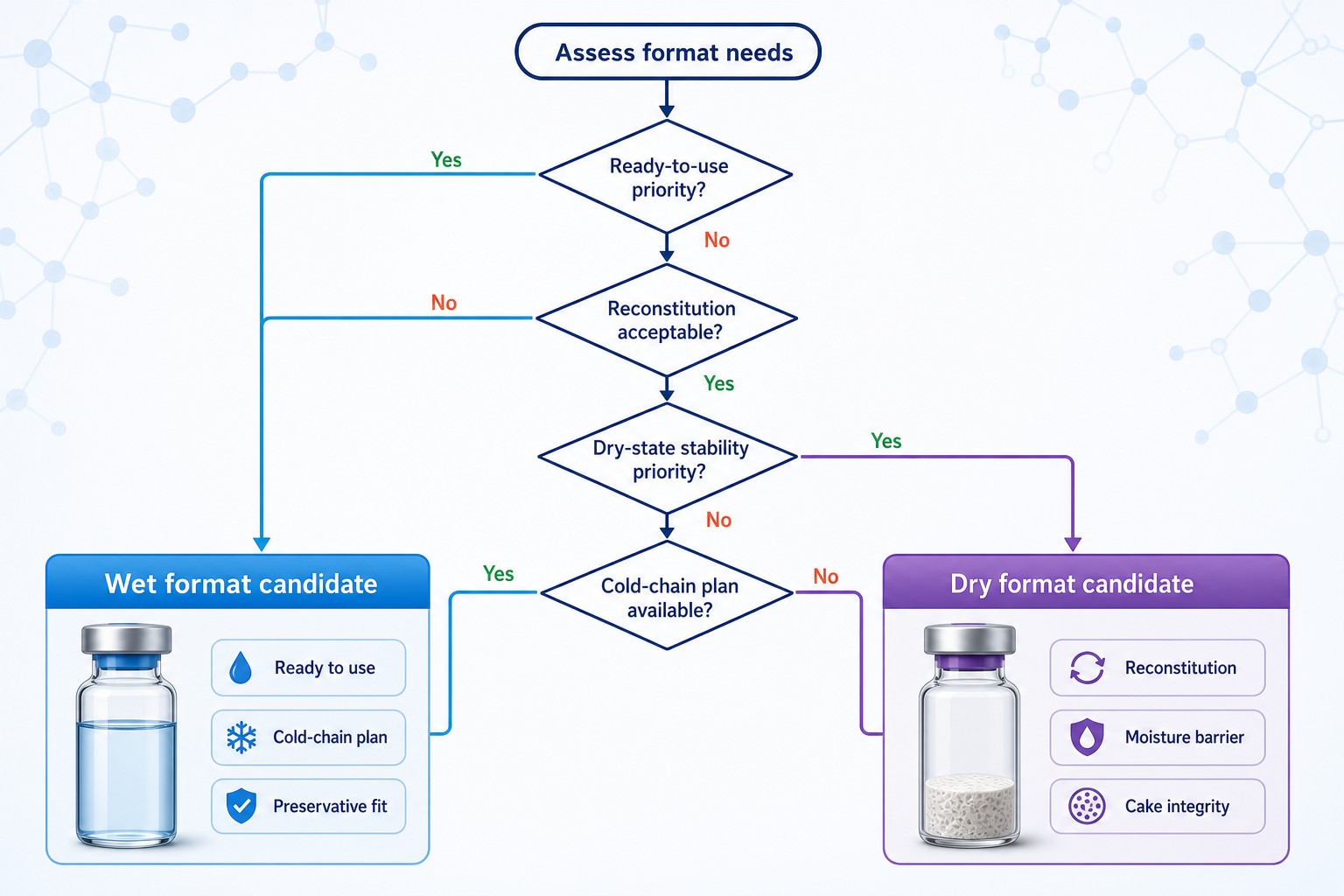 Fig 2. Wet versus dry reagent-format decision path.
(Creative Enzymes Diagnostic)
Component selection depends on the enzyme, assay chemistry, presentation, manufacturing process, and stability target. Contact Creative Enzymes with the formulation challenge and compatibility limits so that suitable options can be discussed.
Qualification should follow the reagent through manufacture, shipping, storage, reconstitution, and working use. Enzyme activity and final assay performance should be monitored together.
Use analytical and functional data to determine whether loss arises from unfolding, aggregation, oxidation, adsorption, drying, or another mechanism.
Evaluate focused excipient ranges and interactions while monitoring both enzyme recovery and assay background.
Align formulation with freezing, drying, fill, container closure, residual moisture, reconstitution, and use conditions.
Use accelerated, stress, shipping, in-use, and real-time studies with predefined functional acceptance criteria.
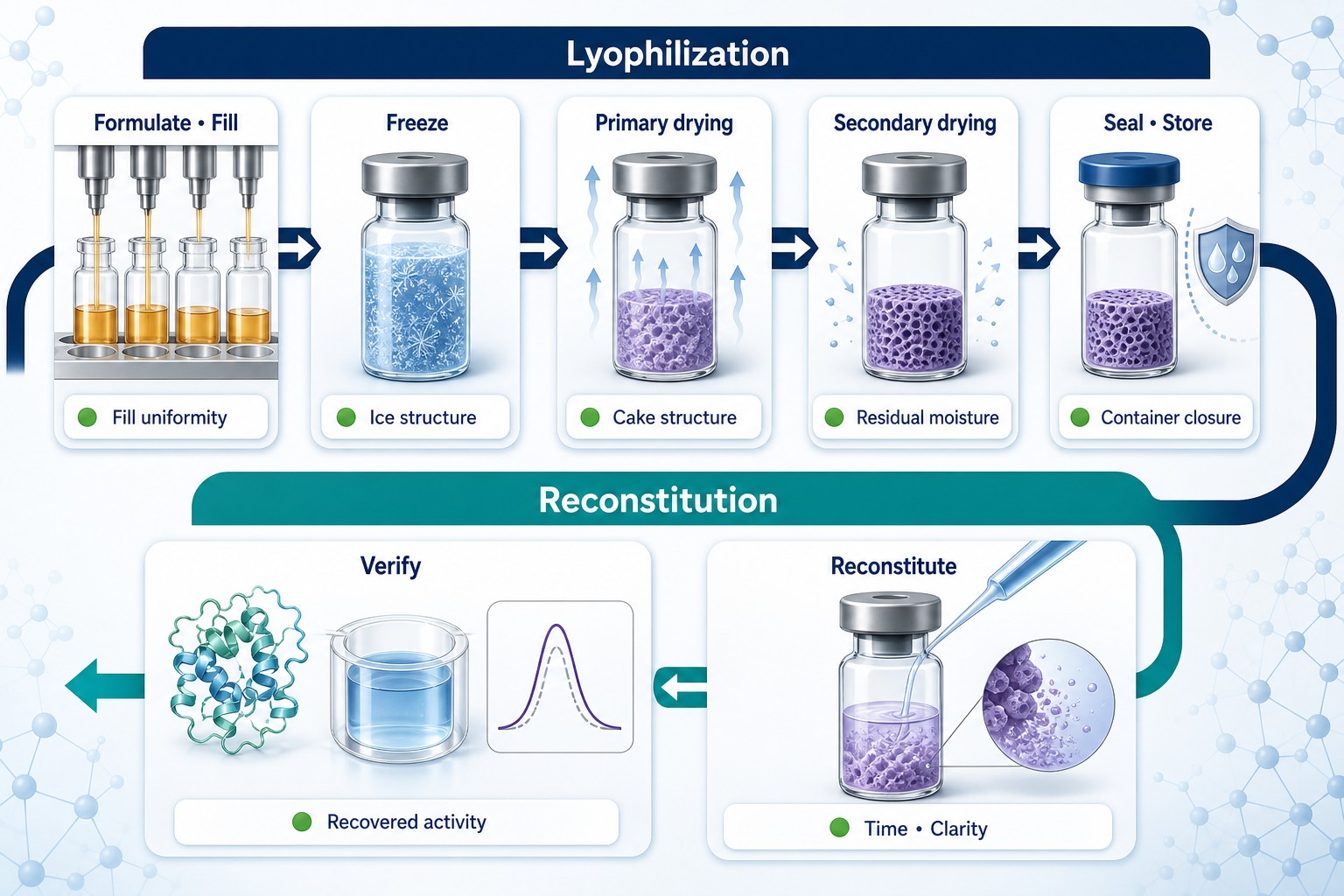 Fig 3. Lyophilization and reconstitution critical-attribute map.
(Creative Enzymes Diagnostic)
Provide the enzyme and complete reagent composition, current failure mode, liquid or dry format, manufacturing process, container, storage and shipping conditions, shelf-life target, reconstitution needs, scale, and documentation requirements.
No. Enzyme structure, formulation, concentration, interfaces, cofactors, and degradation pathways determine which components are useful.
A component may preserve isolated enzyme activity while inhibiting partner enzymes, changing binding, or increasing optical or electrochemical background.
The reagent experiences freeze concentration, ice interfaces, dehydration, cake formation, residual moisture, and reconstitution stresses in addition to ordinary storage.
Accelerated studies help compare formulations and identify risks, but real-time data under the intended storage condition are needed to support shelf life.
It may be needed for multi-use liquid reagents or defined microbial-control requirements. Compatibility with every active and assay surface must be demonstrated.
Measure time to dissolve, appearance, concentration recovery, enzyme activity, assay response, background, and working-solution stability.
These sources support the scientific classification and technical selection criteria. Product specifications must be confirmed in current Creative Enzymes documentation.