Background
The transition from research-grade enzyme production to diagnostic-grade manufacturing is one of the most consequential steps in the commercialization of an IVD reagent. A laboratory-scale process that yields milligrams of pure enzyme from shake-flask cultures and manual chromatography columns cannot be linearly extrapolated to kilogram-scale production without encountering yield limitations, purity degradation, and batch-to-batch inconsistency. Fermentation parameters that are easily controlled at small scale—dissolved oxygen, pH, temperature gradients, shear stress—become nonlinear and heterogeneous in industrial bioreactors. Purification resins that perform predictably at gram scale may exhibit altered binding kinetics, capacity limitations, or increased aggregate formation at process scale. Formulation buffers optimized for short-term storage may fail to protect the enzyme through extended shelf-life at commercial scale.
For diagnostic manufacturers, these scale-up challenges translate directly into supply risk, cost escalation, and regulatory vulnerability. An enzyme that cannot be produced with consistent purity, activity, and stability at commercial scale will jeopardize assay reproducibility, delay product launches, and complicate regulatory submissions. Technology transfer from development to manufacturing must therefore be executed with the same rigor as the scientific discovery that produced the enzyme in the first place.
Creative Enzymes Diagnostic offers a comprehensive High-Purity Diagnostic Enzyme Scale-Up and Technology Transfer service that bridges the gap between laboratory optimization and commercial manufacturing. Our integrated platform combines bioprocess engineering, advanced purification, formulation science, and quality system compliance to deliver diagnostic-grade enzymes at the scale, consistency, and documentation standard required for IVD commercialization.
Scale-up Development
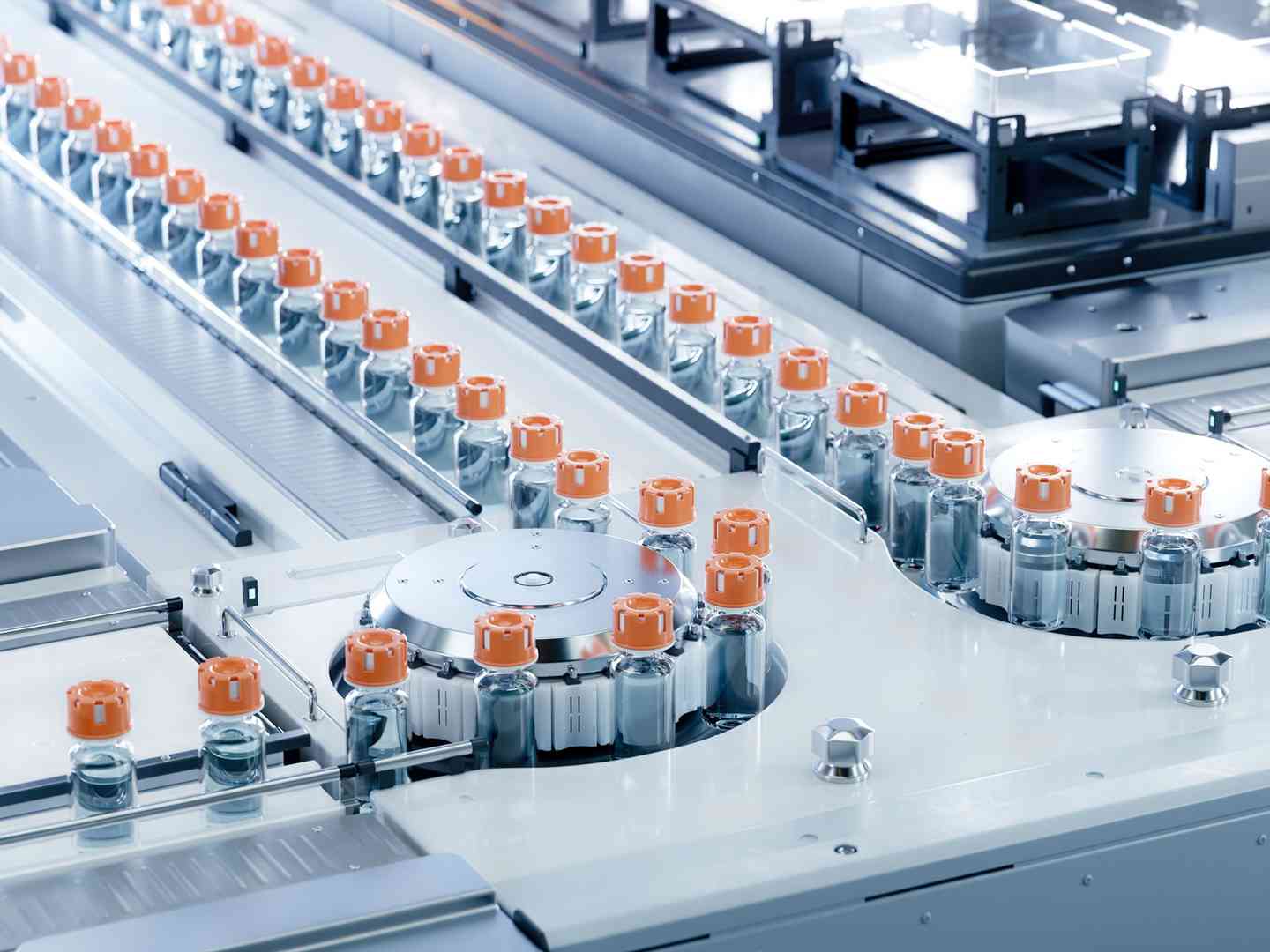
Our scale-up development process systematically translates laboratory-scale enzyme production into robust, reproducible manufacturing processes. Each stage is optimized for yield, purity, and consistency, with process analytical technology (PAT) integration to ensure real-time monitoring and control.
Fermentation Optimization
- Design of Experiments (DoE)-driven optimization of fermentation parameters including media composition, carbon source, nitrogen feed strategy, dissolved oxygen setpoint, pH control range, and induction timing to maximize volumetric productivity and specific yield
- Scale-dependent parameter mapping from shake flasks (0.5–2 L) to bench-top bioreactors (5–20 L) to pilot-scale fermenters (50–200 L) and manufacturing bioreactors (500–2000 L), ensuring that critical process parameters (CPPs) are maintained across scales
- Optimization of expression conditions for soluble protein production, including temperature shift strategies, inducer concentration titration, and co-expression of molecular chaperones to minimize inclusion body formation
- Real-time monitoring of biomass, dissolved oxygen, and metabolic byproducts using off-gas analysis and in-line probes to enable data-driven process control and early detection of deviation
Purification Scale-up
- Development of scalable purification trains combining affinity chromatography (IMAC, GST, Strep-Tactin), ion exchange (IEX), hydrophobic interaction (HIC), and size-exclusion chromatography (SEC) to achieve >95% purity with high recovery yield
- Column sizing and linear flow rate optimization to maintain residence time and resolution during scale transition, with validation of dynamic binding capacity and peak asymmetry at each scale
- Implementation of single-use technologies and disposable flow paths where appropriate to reduce cross-contamination risk, cleaning validation burden, and turnaround time between campaigns
- Process robustness evaluation through deliberate challenge of purification parameters (pH, conductivity, load density, flow rate) to define the proven acceptable range (PAR) and establish control strategies
Formulation
- Systematic screening of buffer systems, pH, ionic strength, and stabilizer cocktails (glycerol, trehalose, betaine, BSA, detergents) to identify formulations that maximize enzyme activity retention and minimize aggregation during storage and freeze-thaw cycles
- Lyophilization cycle development including excipient optimization (bulking agents, cryoprotectants, lyoprotectants), primary and secondary drying parameter definition, and cake morphology assessment to ensure rapid reconstitution and activity recovery
- Compatibility evaluation with intended assay components and detection chemistries to confirm that formulation additives do not interfere with downstream diagnostic performance
- Accelerated and real-time stability studies under ICH Q1A(R2) conditions to establish shelf-life claims and support regulatory submission documentation
QC
- Development and validation of analytical methods for identity (peptide mapping, mass spectrometry), purity (SDS-PAGE, RP-HPLC, SEC-HPLC), potency (activity assay, kcat/KM), and safety (endotoxin, bioburden, host cell protein, host cell DNA)
- Implementation of in-process controls (IPCs) at critical manufacturing steps with predefined acceptance criteria to ensure quality is built into the process rather than tested at the end
- Statistical process control (SPC) with control charts for key quality attributes to monitor process capability (Cpk) and detect trends before they result in out-of-specification batches
- Batch release testing aligned with EP/USP monographs and ISO 13485 quality system requirements, with comprehensive Certificates of Analysis (CoA) documenting all test results and specifications
Technology Transfer

Technology transfer is the structured process of moving the optimized manufacturing process from our development facility to the client's internal manufacturing operation or to a contract manufacturing organization (CMO). Our transfer protocol ensures that the receiving site can reproduce the process with equivalent quality and yield, while generating the documentation required for regulatory compliance.
Process Documentation
- Preparation of comprehensive manufacturing batch records (MBRs) and standard operating procedures (SOPs) covering all unit operations from cell bank thawing through final formulation, filling, and labeling
- Development of master production and control records (MPCR) with defined critical process parameters (CPPs), critical quality attributes (CQAs), in-process controls, and acceptance criteria
- Compilation of raw material specifications, vendor qualification dossiers, and certificate of analysis requirements for all enzymes, media components, chromatography resins, and formulation excipients
- Creation of equipment qualification protocols (IQ/OQ/PQ) and facility environmental monitoring plans to support GMP readiness and regulatory inspection preparedness
Process Validation
- Execution of process qualification batches (typically three consecutive successful lots) to demonstrate that the manufacturing process consistently produces enzyme meeting predetermined specifications and quality attributes
- Validation of analytical methods used for in-process testing and release testing, including accuracy, precision, linearity, range, specificity, and robustness per ICH Q2(R1) guidelines
- Cleaning validation studies to demonstrate that equipment cleaning procedures effectively remove product residues, cleaning agents, and microbial contaminants to acceptable levels
- Hold time studies for intermediates (cell harvest, clarified lysate, purified bulk) to establish maximum allowable hold times at defined storage conditions without compromising product quality
Manufacturing Support
- On-site technical support during initial manufacturing campaigns at the client's facility or CMO, including batch execution oversight, real-time troubleshooting, and deviation investigation
- Training of manufacturing and QC personnel on process execution, analytical methods, and data interpretation to ensure operational independence after transfer completion
- Support for technology transfer to multiple manufacturing sites, including equivalency studies to confirm that process performance is maintained across different facilities and equipment trains
- Ongoing technical consultation for process optimization, yield improvement, cost reduction, and troubleshooting of manufacturing issues post-transfer
Batch Qualification
- Manufacture and comprehensive testing of engineering and qualification batches to establish process capability and generate data for regulatory submission packages
- Side-by-side comparison of transferred process batches against development reference batches to confirm equivalence in purity, activity, stability, and impurity profiles
- Statistical analysis of batch data using process capability indices (Cpk, Ppk) and analysis of variance (ANOVA) to quantify consistency and identify sources of variation
- Compilation of batch history records, deviation reports, change control documentation, and annual product reviews to support ongoing compliance and post-market surveillance requirements
Deliverables
Upon completion of the scale-up and technology transfer program, you receive a comprehensive documentation and material package that supports immediate manufacturing initiation and regulatory submission:
| Item |
Description |
| Manufacturing SOP Package |
Complete set of batch records, SOPs, and work instructions for all manufacturing, QC, and release operations, formatted for GMP compliance and regulatory inspection. |
| Process Validation Report |
Documentation of process qualification batches, including batch data, statistical analysis, acceptance criteria, and conclusion that the process is validated for routine manufacturing. |
| Analytical Method Validation Package |
Validated test methods for identity, purity, potency, and safety with accuracy, precision, linearity, specificity, and robustness data per ICH Q2(R1). |
| Raw Material Qualification Dossier |
Specifications, supplier assessments, and qualification data for all raw materials, with recommendations for ongoing supplier management and change control. |
| Stability Study Data |
Accelerated and real-time stability data with statistical analysis, shelf-life projections, and storage condition recommendations for bulk enzyme and formulated product. |
| Technology Transfer Report |
Comprehensive documentation of the transfer process, including protocol deviations, resolution actions, and confirmation of manufacturing equivalence. |
| Equipment Qualification Protocols |
IQ/OQ/PQ documentation for all critical manufacturing and analytical equipment, aligned with regulatory expectations for GMP operations. |
| Training Documentation |
Training records, competency assessments, and certification documentation for manufacturing and QC personnel at the receiving site. |
| Regulatory Submission Support |
Formatted documentation aligned with FDA, EU IVDR, or other target regulatory requirements to support master file submissions, pre-submission meetings, and formal applications. |
| Research or Pre-IVD Material |
Qualified enzyme batches manufactured under the transferred process, with full CoA and traceability documentation, ready for assay development, validation, or clinical studies. |
FAQs
Q1. What is the typical scale range for diagnostic enzyme manufacturing?
A1. Our platform supports scale-up from milligram research quantities to multi-kilogram commercial batches. Typical diagnostic enzyme manufacturing campaigns range from 10 g to 5 kg per lot, depending on assay demand, enzyme specific activity, and formulation concentration. We design the scale-up strategy to match your projected commercial volume, with built-in capacity for demand growth and supply security through multi-site manufacturing options.
Q2. How do you ensure batch-to-batch consistency at manufacturing scale?
A2. Batch consistency is ensured through a combination of process control, analytical monitoring, and statistical oversight. Critical process parameters are controlled within narrow ranges defined during process development; in-process controls at key steps provide real-time quality feedback; and statistical process control charts monitor trends across consecutive batches. Our target process capability index (Cpk) is ≥1.33 for all critical quality attributes, ensuring that >99.99% of batches will meet specifications under normal variation.
Q3. Can you transfer the process to our internal manufacturing facility or to a CMO of our choice?
A3. Yes. We have extensive experience supporting technology transfer to both internal manufacturing operations and external CMOs. Our team acts as the technical liaison, ensuring complete knowledge transfer through documentation, on-site training, and side-by-side batch execution. We can also support CMO selection, qualification audits, and ongoing technical oversight to ensure that manufacturing quality is maintained throughout the product lifecycle.
Q4. What quality standards does your manufacturing comply with?
A4. Our manufacturing operations comply with ISO 9001:2015 quality management systems and are designed to meet the requirements of ISO 13485 for medical device (IVD) raw material supply. We follow ICH Q7 guidelines for active pharmaceutical ingredients where applicable, and our analytical methods are aligned with EP/USP monographs. For clients requiring GMP-compliant manufacturing, we partner with certified GMP facilities and manage the transfer and oversight to ensure compliance.
Q5. How long does the scale-up and technology transfer process typically take?
A5. A standard scale-up and technology transfer program typically spans 4 to 6 months from process development initiation through completion of qualification batches and documentation handover. This timeline includes 6–8 weeks for fermentation and purification scale-up optimization, 4–6 weeks for formulation development and stability studies, and 6–8 weeks for technology transfer, batch qualification, and documentation compilation. Expedited timelines are available for programs with aggressive commercialization schedules.
Q6. Can you supply the enzyme ongoing after technology transfer, or do we need to establish our own manufacturing?
A6. We offer flexible supply models to match your business strategy. Options include ongoing commercial supply from our manufacturing facility under a long-term supply agreement, full technology transfer to your facility or CMO for independent manufacturing, or a hybrid model where we supply initial commercial volumes while you establish internal manufacturing capability. In all cases, we ensure supply continuity, batch-to-batch consistency, and regulatory documentation alignment.
Creative Enzymes Diagnostic combines deep bioprocess engineering expertise, advanced purification capabilities, and comprehensive quality system compliance to deliver diagnostic-grade enzymes at the scale and consistency that commercial IVD manufacturing demands. From laboratory optimization to technology transfer and ongoing supply, we provide the manufacturing foundation your diagnostic program needs to succeed.
Contact our business development team today to discuss your specific project needs!
Related Services

