
“FDA-approved companion diagnostics” is a common way to search for treatment-linked tests. FDA’s current official page uses the broader title “List of FDA-Authorized Companion Diagnostic Devices (In Vitro and Imaging Tools),” reflecting the regulatory terminology and device types represented. The authoritative list is updated as indications and products change.
This guide explains how to read the FDA landscape rather than reproducing a static catalog. It covers test technologies, specimens, biomarker–therapy relationships, group labeling, and the enzyme systems behind major molecular and immunoassay formats. Always verify the current FDA list and individual device labeling before making regulatory or clinical statements.
FDA describes a companion diagnostic as an in vitro diagnostic device or imaging tool that provides information essential for the safe and effective use of a corresponding therapeutic product. Depending on the claim, the test may identify patients likely to benefit, identify patients at increased risk of serious adverse reactions, or support monitoring when required for treatment use.
The therapy association is indication-specific. A platform may have multiple biomarker and drug claims, while the same biomarker may appear in several diseases or specimens. The device name alone is therefore insufficient; readers need the exact intended use, cancer type or condition, specimen, biomarker, therapeutic product, and authorization date.
| Field | What it tells you | Why it matters |
|---|---|---|
| Device | Commercial test or imaging tool | Identifies the specific authorized product |
| Biomarker | Alteration, expression marker, or score | Defines what biology is measured |
| Method | PCR, NGS, IHC, ISH, imaging, or other approach | Signals workflow and analytical evidence |
| Specimen | Tissue, plasma, blood, or other sample | Limits where the claim applies |
| Indication | Disease and intended population | Prevents extrapolation across tumor types |
| Therapeutic product | Drug or defined therapeutic group | Establishes the treatment-linked claim |
| Date | Authorization or supplement timing | Helps track lifecycle expansion |
Targeted PCR detects defined variants with focused workflows. NGS profiles many genes and variant classes. IHC evaluates protein expression and tissue context, while in situ hybridization can assess gene amplification or rearrangement in cells. FDA’s list also recognizes certain imaging tools.
No method is universally superior. The appropriate platform depends on biomarker biology, specimen, required scope, turnaround, analytical sensitivity, clinical evidence, and the exact therapy claim.
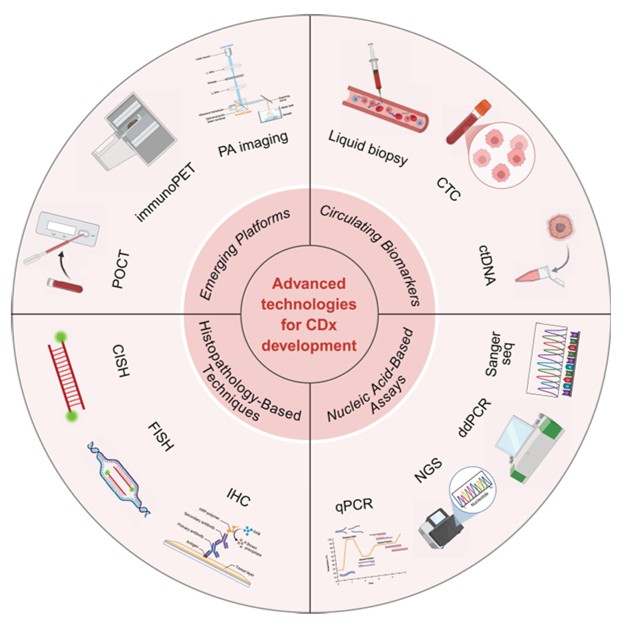
Figure 1. A suite of advanced methods and technologies are used to guide treatment, monitor progress, and predict efficacy. (Wu et al., 2026)
Tissue remains central because it provides tumor morphology, cellular context, and often higher tumor-derived analyte fraction. It supports PCR, NGS, IHC, and in situ hybridization. Limitations include invasive collection, small biopsies, fixation damage, tumor heterogeneity, and competition among tests for limited material.
Plasma cell-free DNA offers less invasive sampling and can capture DNA shed from multiple sites. Current FDA entries include plasma-based molecular CDx indications. Low tumor fraction and variable shedding can cause false-negative risk, while clonal hematopoiesis can complicate variant attribution. The device label determines specimen eligibility and any recommended follow-up; tissue and plasma versions should not be treated as interchangeable without evidence.
FDA entries include tissue and liquid comprehensive genomic profiling platforms linked to several targeted therapies.
PD-L1 and HER2-associated tests illustrate continuing use of IHC and related tissue methods for therapy selection.
Plasma mutation testing and newer ctDNA applications show expansion beyond traditional tissue-only pathways.
Other current directions visible in the list include homologous-recombination deficiency, ESR1, EGFR, KRAS, ERBB2/HER2, BRAF, PTEN, and multiple disease-specific claims. These examples describe the shape of the landscape, not an exhaustive or permanent list. The linked FDA source should be used for the current device, therapy, and indication details.
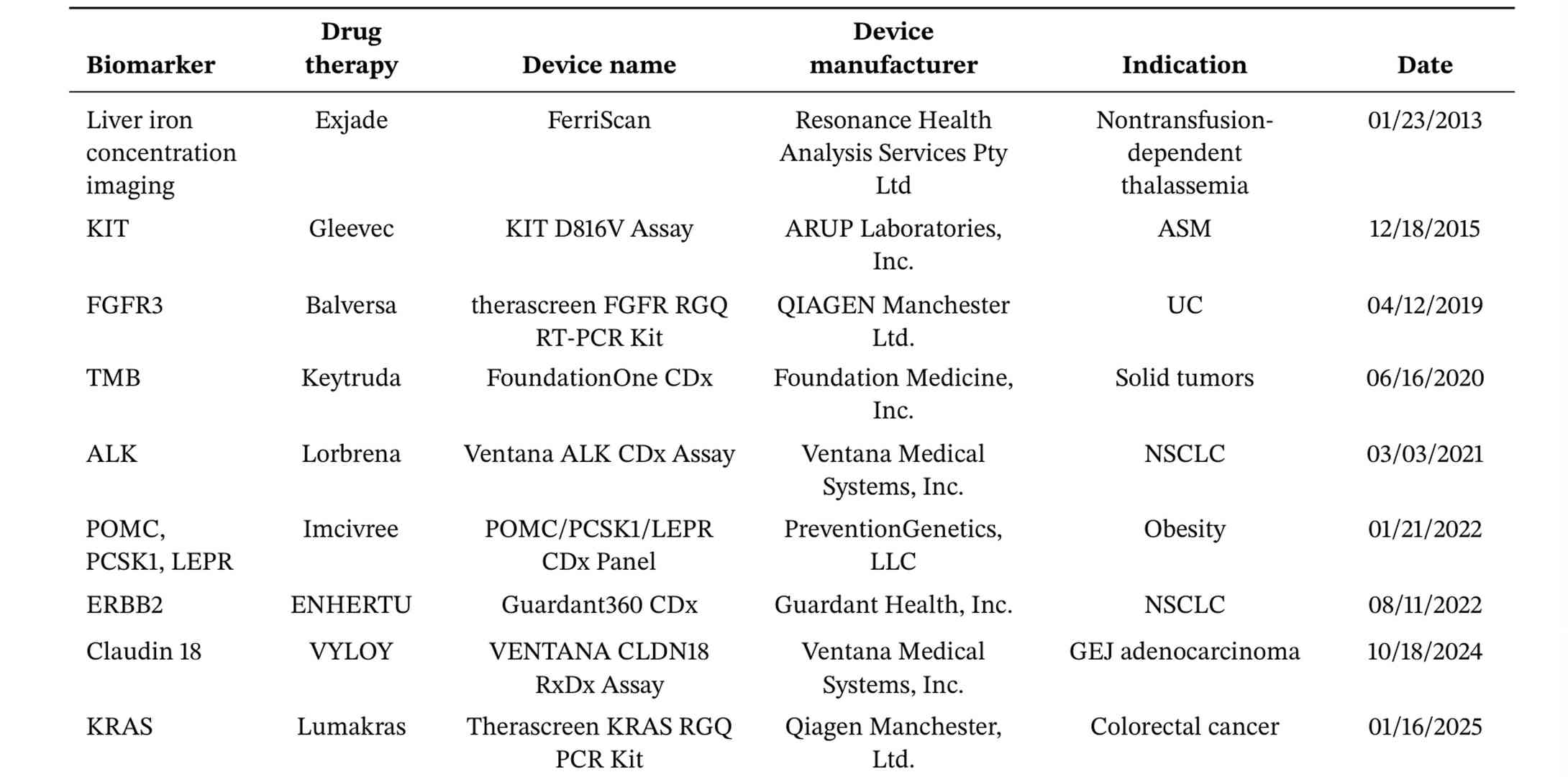
Figure 2. Representative US FDA-approved CDx assays with respect to various biomarkers. (Selected by Wu et al., 2026)
FDA maintains a separate portion of the table for companion diagnostics associated with a specific group of oncology therapeutic products. The 2020 final guidance explains considerations for developing and labeling such devices. Evidence must support the proposed group; group labeling should not be interpreted as permission to generalize to any drug with a related mechanism.
FDA’s voluntary oncology pilot, launched in 2023, addresses performance information for certain tests used with oncology drug products. FDA provides templates covering technologies including NGS, PCR, Sanger sequencing, IHC, and FISH. The pilot does not change the applicable standards for device approval or clearance and should be understood through current official materials.
PCR-based CDx relies on thermostable polymerases and may use reverse transcriptase for RNA biomarkers. NGS adds end repair, ligation, amplification, and sometimes RNA-conversion enzymes. IHC commonly uses reporter enzymes such as horseradish peroxidase or alkaline phosphatase to convert antibody recognition into visible signal. Enzyme performance interacts with every adjacent reagent and instrument.
The CDx enzyme portfolio, PCR/qPCR premix development, NGS enzyme-system development, and enzyme–antibody conjugates cover these major technical routes.
Counting rows does not necessarily equal counting unique devices, biomarkers, or therapies. One device can appear in multiple indications; supplements can expand claims; a therapy may associate with several tests; and the list can change after an article is published. Counts also depend on whether group-labeling entries, imaging tools, or separate specimen versions are included.
A useful landscape analysis should define its unit of analysis and date. For business or development decisions, extract the exact device–biomarker–specimen–indication–therapy relationship. Review the device labeling and approval documents rather than relying on a third-party summary. This article therefore avoids presenting a total that could quickly become obsolete.
The landscape can reveal precedent, but precedent does not replace product-specific evidence. A new program should compare biomarker, disease, specimen, platform, cutoff, and therapy mechanism with relevant authorized examples. Differences may matter more than similarities.
Early biomarker assay feasibility can test whether the intended analyte is measurable in real specimens. Integrated drug–diagnostic co-development aligns the test with clinical and regulatory milestones, while technical documentation support helps organize traceable evidence.
Whatever platform or specimen is selected, development should begin with a written link between intended use and analytical requirements. Define the patient population, biomarker, specimen, treatment decision, reportable result, turnaround expectation, and use environment. Then identify the failure modes that could change classification: target loss, nonspecific signal, amplification bias, reagent drift, interference, software error, or an invalid result that delays therapy. This risk map determines which enzyme attributes and assay controls deserve the most attention.
Feasibility experiments should include representative clinical material as early as possible. Purified templates and synthetic controls are valuable for isolating variables, but they do not reproduce fixation damage, low tumor fraction, endogenous inhibitors, sample heterogeneity, or extraction carryover. A staged study can begin with controlled materials, add individual challenges, and then confirm performance in specimens spanning the intended range. Samples near the cutoff are especially informative because small shifts in recovery, background, or signal can change the treatment category.
Critical enzymes should be specified by more than catalog activity. Identity, purity, concentration, specific activity, contaminating nuclease or protease limits, formulation, storage, and functional performance may all be relevant. The release method should use conditions that predict performance in the diagnostic reaction. When the vendor activity assay and CDx chemistry differ substantially, an assay-level incoming or bridging test can provide a more direct control. Multiple lots should be evaluated before pivotal use so the acceptance range reflects manufacturing variation rather than one favored batch.
Robustness studies intentionally vary parameters that will move in practice: reaction time and temperature, pipetting, sample input, operator, instrument, reagent lot, shipping excursion, and storage duration. Interference studies should use justified concentrations and combinations of endogenous substances, collection additives, medications, and process residuals. Controls must fail when the vulnerable step fails; an abundant control target may remain positive even when a low-copy clinical target is lost.
Finally, document changes across the full measurement system. A new enzyme lot, buffer, primer pool, conjugation process, extraction kit, instrument, or software version can alter analytical performance even if the intended use is unchanged. Risk-based comparability should focus on the attributes most likely to affect the cutoff and claimed range. Preserving retained samples, reference materials, version history, and a predefined bridging strategy makes lifecycle improvements possible without breaking the connection to the clinical evidence.
These questions keep development centered on the treatment decision rather than isolated technical metrics. They also create a common language for biomarker, clinical, regulatory, quality, manufacturing, and supplier teams.
The FDA companion diagnostic landscape is best understood as a set of specific, evolving relationships among devices, biomarkers, specimens, diseases, and therapies. Current entries show substantial molecular, protein, tissue, plasma, and imaging diversity. For accurate decisions, use FDA’s live list, review the associated labeling, and avoid extrapolating a method or biomarker beyond its authorized claim.
Creative Enzymes supports diagnostic enzyme selection, engineering, formulation, conjugation, analytical evaluation, and scale-up for molecular and immunoassay CDx workflows.
