
| Catalog | Product Name | EC No. | CAS No. | Source | Price |
|---|---|---|---|---|---|
| BDE-046 | Recombinant Adenosine Deaminase (ADA) | EC 3.5.4.4 | Recombinant microbial proteins | Inquiry | |
| BDE-047 | Recombinant Homocysteine Methyl Transferase (HMT) | Recombinant protein expression | Inquiry | ||
| BDE-048 | Recombinant Methionine Adenosyl Transferase (MAT) | EC 2.5.1.6 | Recombinant microbial proteins | Inquiry | |
| BDE-049 | Recombinant Betaine HomocysteineS-methyl Transferase (BHMT) | EC 2.1.1.5 | 9029-78-1 | Recombinant microbial proteins | Inquiry |
| BDE-050 | Recombinant Cystathionine β synthase (CBS) | EC 4.2.1.22 | Recombinant microbial proteins | Inquiry | |
| BDE-051 | Recombinant Cystathionine Gamma-lyase (CGL) | EC 4.4.1.1 | Recombinant microbial proteins | Inquiry | |
| BDE-052 | Recombinant N-Acetylneuraminic Acid Aldolase (NAL) | EC 4.1.3.3 | Recombinant protein expression | Inquiry | |
| BDE-053 | Recombinant Neuraminidase (NRH) | EC 3.2.1.18 | Recombinant protein expression | Inquiry | |
| BDE-054 | Recombinant Fructosyl Amino Acid Oxidase (FAOD) | EC 1.5.3.X | Recombinant protein expression | Inquiry |
Diagnostic Enzymes and Reagents for Assay Development
Creative Enzymes supplies enzymes, assay components, selected kits, and molecular diagnostic reagents for research and in-vitro diagnostic development. The portfolio can be explored by application, catalytic mechanism, assay target, advanced reagent function, or molecular diagnostic workflow.
Because the same enzyme may serve different roles in different methods, product selection should consider the intended analyte or target, sample matrix, reaction principle, detection format, instrument or device, formulation, storage conditions, and required analytical performance.
Application-based categories help users identify enzymes according to the analytical or diagnostic workflow in which they are intended to be used.

Lipid Metabolism Diagnostic Enzymes
Lipid-related assays use coordinated enzyme reactions for total cholesterol, triglycerides, non-esterified fatty acids (NEFA), lipoprotein-associated cholesterol, and total bile acids. Representative components include cholesterol esterase, cholesterol oxidase, lipases, glycerol kinase, glycerol-3-phosphate oxidase, and acyl-CoA enzymes.
Clinical Chemistry & General Metabolic Testing Enzymes
Clinical chemistry assays use oxidoreductases, hydrolases, transferases, and auxiliary enzymes to measure metabolites or enzyme activities. Products can support endpoint, fixed-time, kinetic, microplate, and automated analyzer workflows.

Diabetes and Blood Glucose Testing Enzymes
Glucose testing may use glucose oxidase, glucose dehydrogenase, or hexokinase-based systems. Selection depends on oxygen dependence, cofactor requirements, substrate specificity, signal chemistry, and the intended analyzer or sensor format.
Renal Function Diagnostic Enzymes
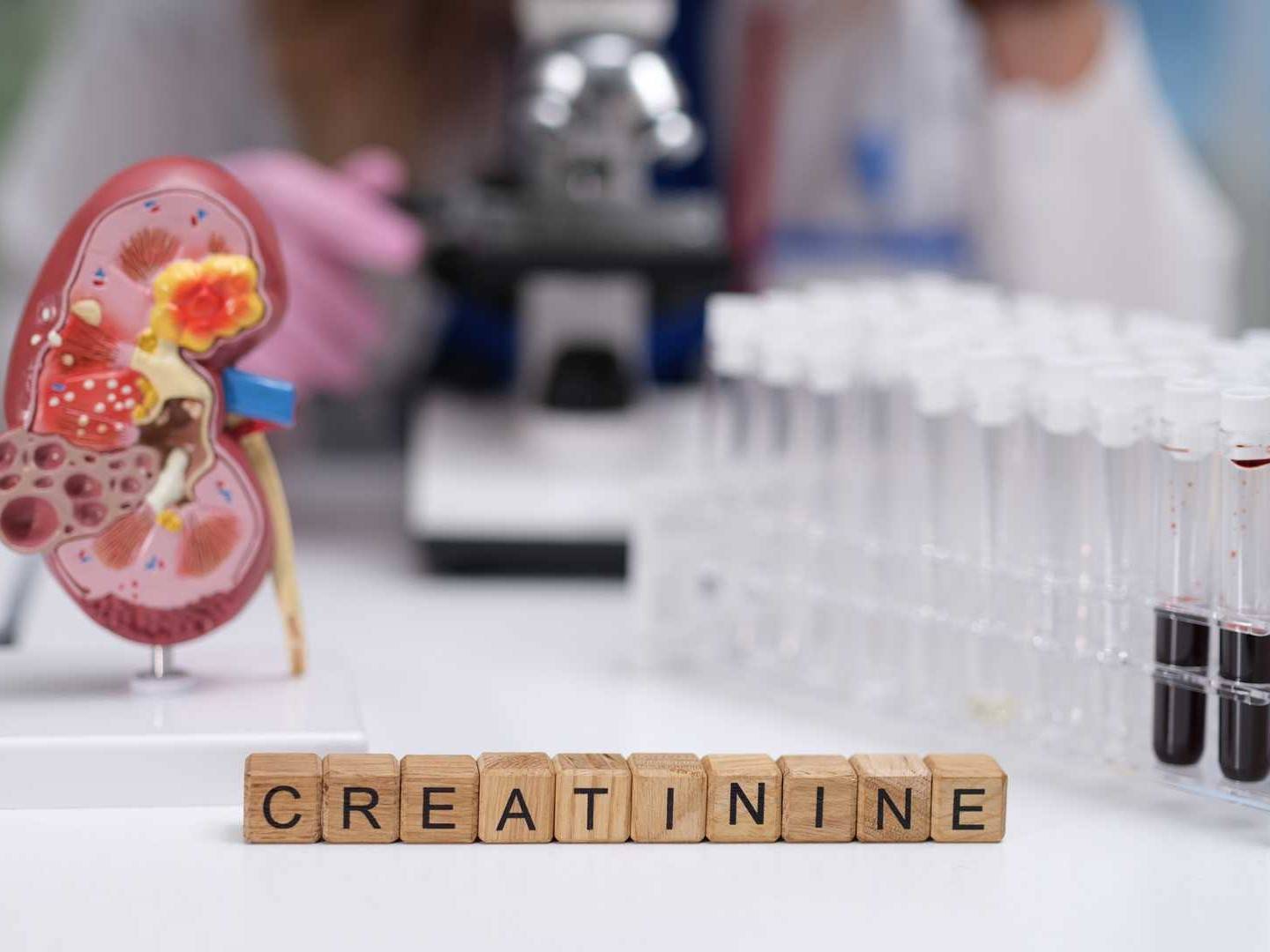
Renal testing may incorporate enzyme systems for creatinine, uric acid, and other metabolic measurements. Product selection should consider the complete reaction cascade, specimen matrix, calibration, and analyzer conditions.

Pancreatic Function Diagnostic Enzymes
Pancreatic and digestive enzyme assays can involve amylase, lipase, and related reaction components. These products support activity assays and coupled analytical methods, with method-specific attention to substrates, cofactors, and reaction conditions.

Liver-related testing includes catalytic activity assays for enzymes such as ALT, AST, ALP, GGT, and LDH, as well as enzymatic methods for selected metabolites. Reagent components should be matched to the analytical method and specimen matrix.

Enzymes used in point-of-care and biosensor formats must be compatible with immobilization, electrode or sensor materials, sample matrices, and the intended storage format. Common applications include glucose, lactate, and cholesterol detection.
Cardiac and Muscle Injury Assay Enzymes
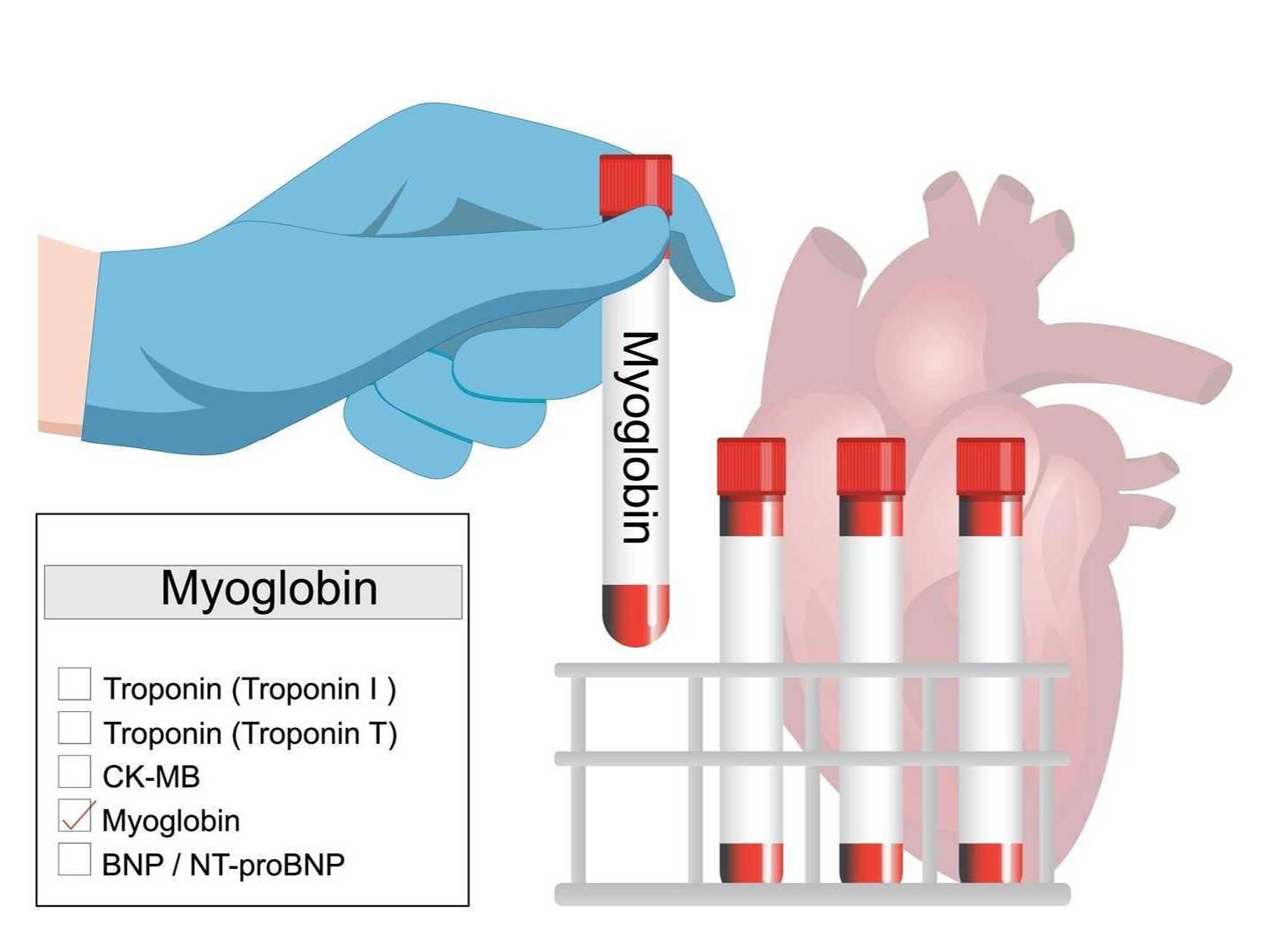
Enzymatic systems can support measurements of cardiac and muscle-associated markers, including catalytic activity methods and coupled detection reactions. Selection depends on the analyte, assay principle, and required analytical range.

Electrolyte and Small Metabolite Testing Enzymes
Enzymatic methods can support selected small-metabolite measurements and coupled reaction systems used alongside electrolyte and metabolic testing. Performance should be evaluated in the intended matrix and instrument configuration.

Enzymes for Environmental Monitoring
Enzyme-based analytical systems can support detection of selected environmental contaminants and chemical indicators. Application-specific performance depends on substrate specificity, matrix effects, pH, temperature, and the field or laboratory detection format.

Enzymes for Food Safety Testing
Enzymatic reagents can support food testing for selected chemical indicators, substrates, and contaminants. Suitable enzyme systems depend on the target, sample preparation, matrix, detection chemistry, and required analytical performance.

Enzymes for Companion Diagnostics (CDx)
Enzymes may support companion diagnostic workflows through nucleic acid amplification, sequencing, target detection, or immunoassay signal generation. Selection must be demonstrated within the specific assay and therapeutic context.

Molecular Infectious Disease Testing Enzymes
Molecular infectious disease workflows use polymerases, reverse transcriptases, nucleases, ligases, strand-displacing enzymes, contamination-control enzymes, and detection components for validated nucleic acid testing formats.
Oncology and Genetic Testing Enzymes
Oncology and genetic testing may use polymerases, reverse transcriptases, ligases, nucleases, and DNA-modifying enzymes for amplification, variant analysis, methylation workflows, and sequencing-library preparation.

This category covers specialized or cross-category applications that do not fit a single standard diagnostic workflow, including emerging analytical formats, research-use assay prototypes, and custom enzyme requirements.
Catalytic classification provides a complementary way to browse enzymes according to reaction type and biochemical function, particularly when a method requires a specific reaction step or enzyme class.
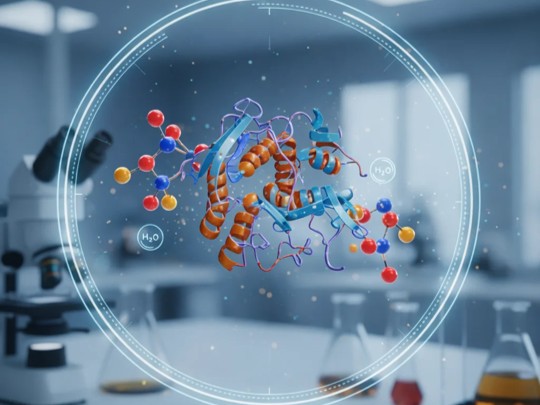
Hydrolases catalyze bond cleavage through hydrolysis and include proteases, esterases, phosphatases, amidases, and related enzyme classes used in analytical and diagnostic reactions.
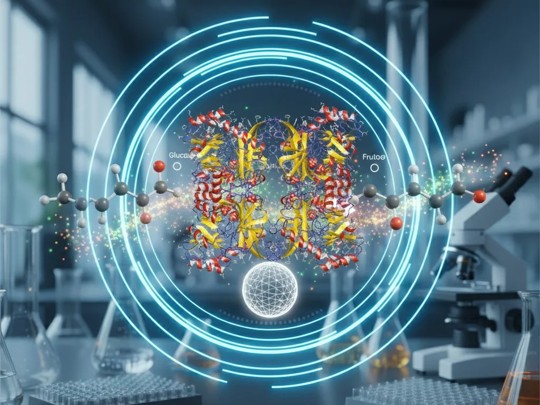
Isomerases catalyze intramolecular rearrangements and can support carbohydrate, metabolite, and coupled reaction systems where substrate interconversion is required.
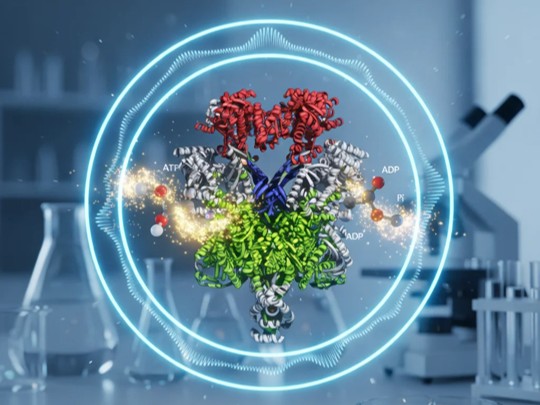
Ligases join nucleic acids or other substrates using energy-dependent reactions and are widely used in molecular diagnostic and sequencing workflows.
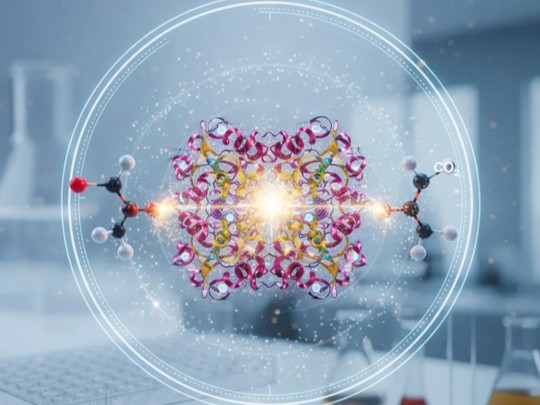
Lyases catalyze bond cleavage or addition without hydrolysis or oxidation-reduction as the primary reaction. They can serve in specialized metabolic and molecular assay systems.
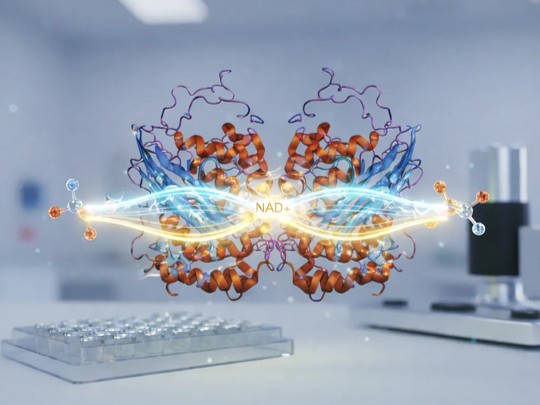
Oxidoreductases catalyze electron-transfer reactions and include dehydrogenases, oxidases, peroxidases, and related enzymes central to optical and electrochemical detection systems.
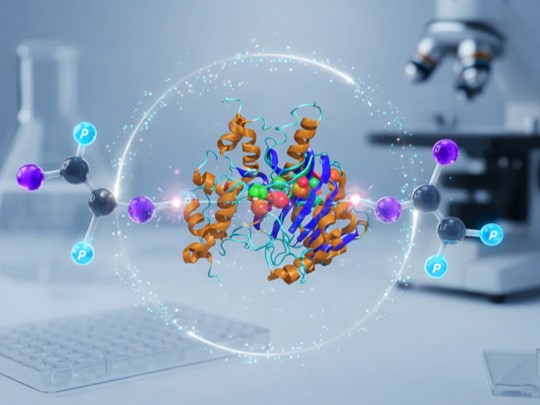
Transferases move functional groups between substrates and include kinases, aminotransferases, glycosyltransferases, and other enzymes used in metabolic and analytical reaction systems.
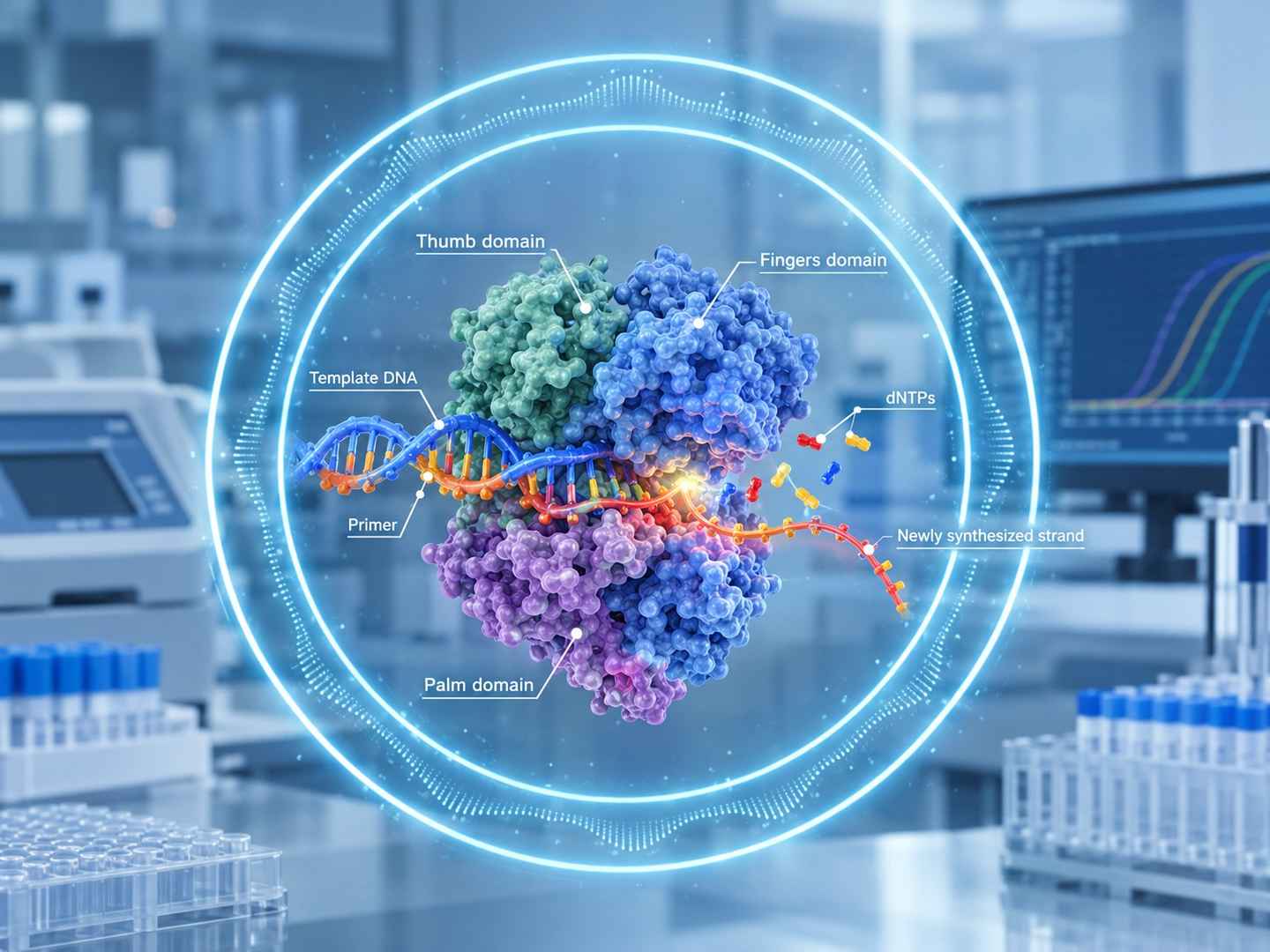
DNA and RNA polymerases synthesize nucleic acids and are central to PCR, qPCR, sequencing, and other nucleic acid amplification or modification workflows.
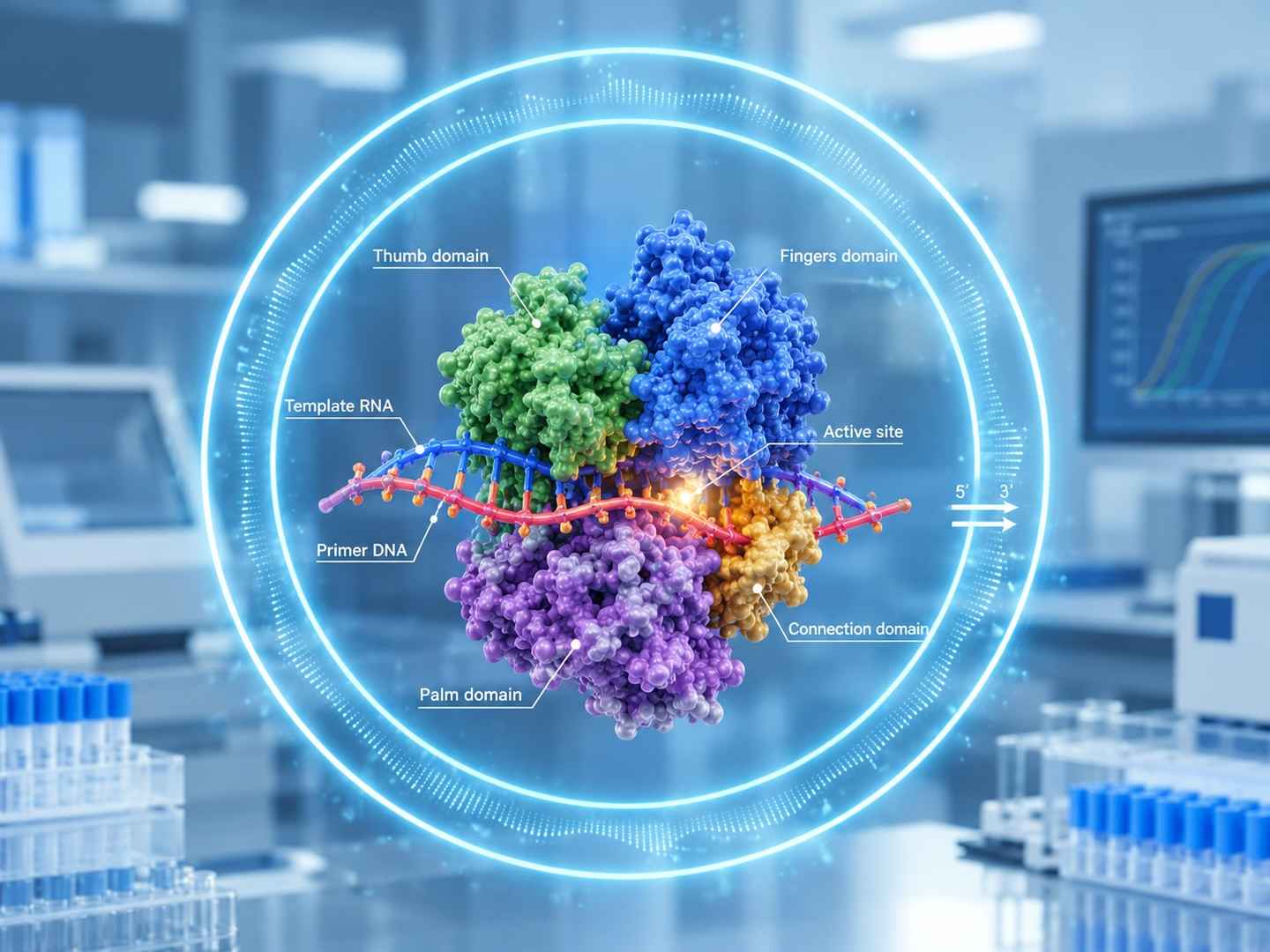
Reverse transcriptases synthesize complementary DNA from RNA templates and are used in RT-PCR, RT-qPCR, cDNA preparation, and related molecular workflows.
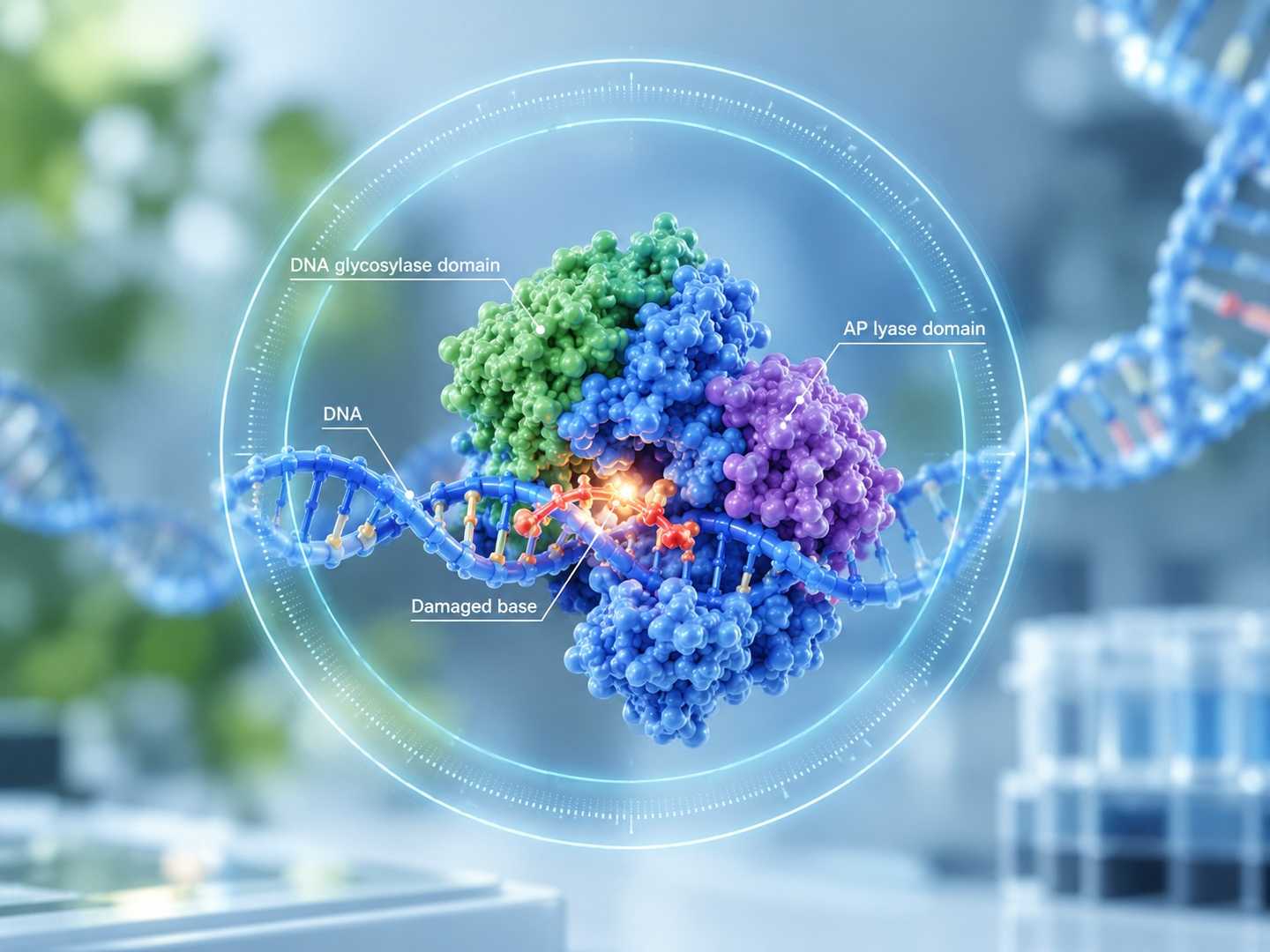
Nucleases, Glycosylases and DNA Repair Enzymes
Nucleases, glycosylases, and DNA repair enzymes modify, remove, process, or repair nucleic acids and support sample preparation, library construction, molecular analysis, and diagnostic workflows.
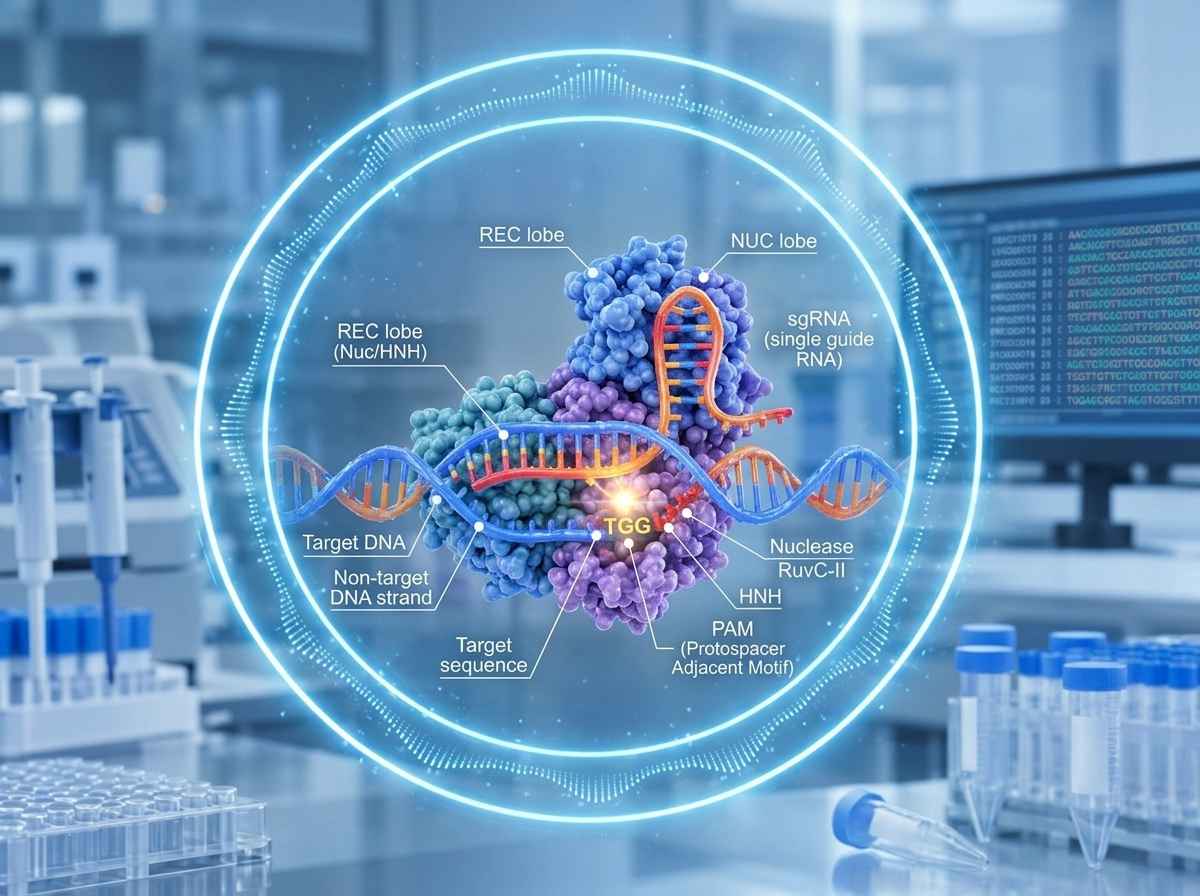
CRISPR-associated enzymes provide sequence-directed nucleic acid recognition and cleavage and can support CRISPR-based detection and related molecular diagnostic research workflows.
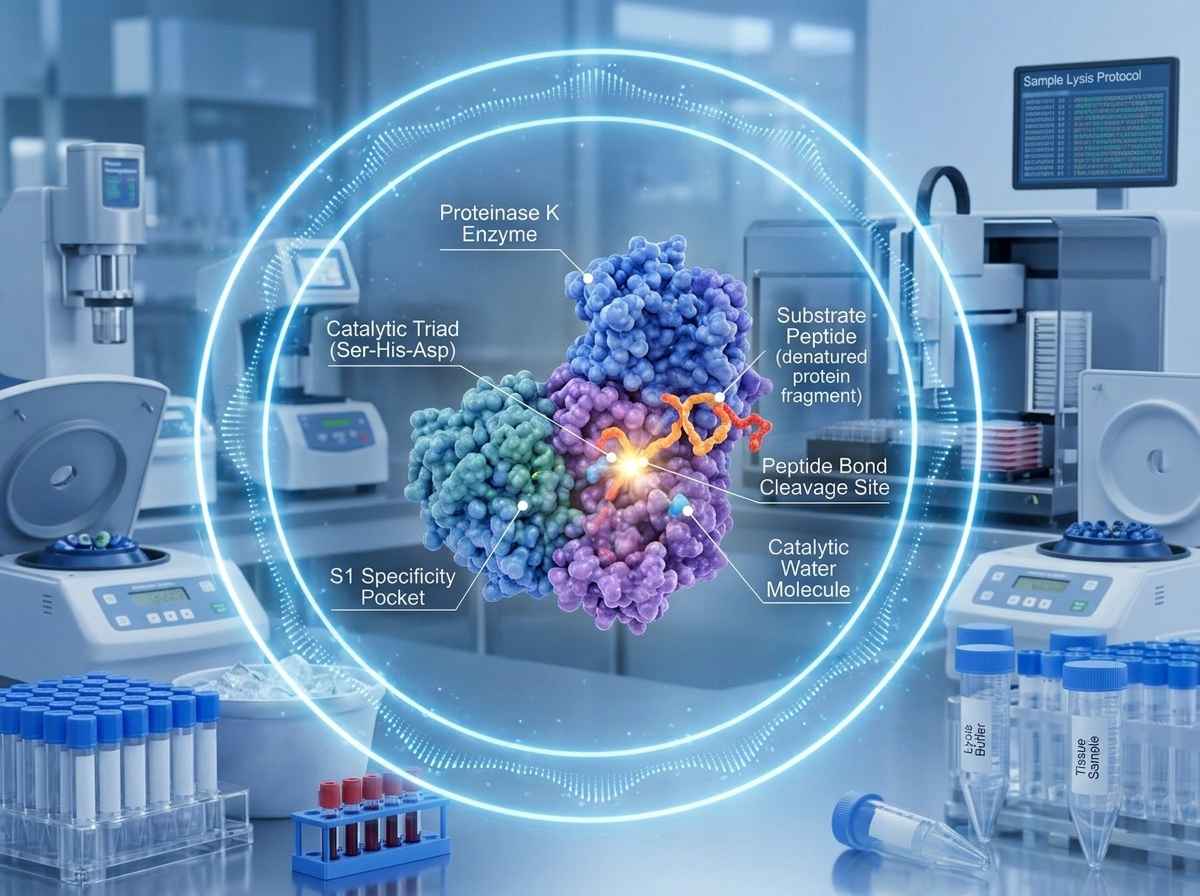
Proteases for Diagnostic Sample Preparation
Proteases can support sample preparation by digesting proteins, reducing matrix complexity, or enabling downstream nucleic acid and analytical workflows. Performance depends on substrate range, conditions, and downstream compatibility.
These categories organize enzyme components and selected kits around commonly measured analytes and assay systems. Raw materials and complete kits serve different development needs and should be evaluated according to the intended assay format.
Creatinine Assay Enzymes & Kits
Creatininase, creatinase, and sarcosine oxidase can form a coupled enzymatic route for creatinine measurement, with peroxide generation used by suitable reporter systems. Assay performance depends on enzyme ratios, specimen interference, calibration, and formulation.

Homocysteine Assay Enzymes & Kits
Enzymatic homocysteine methods can use cycling reactions involving S-adenosylhomocysteine hydrolase, cystathionine synthase or related enzymes, and auxiliary detection components. The selected system should be evaluated as a complete assay.
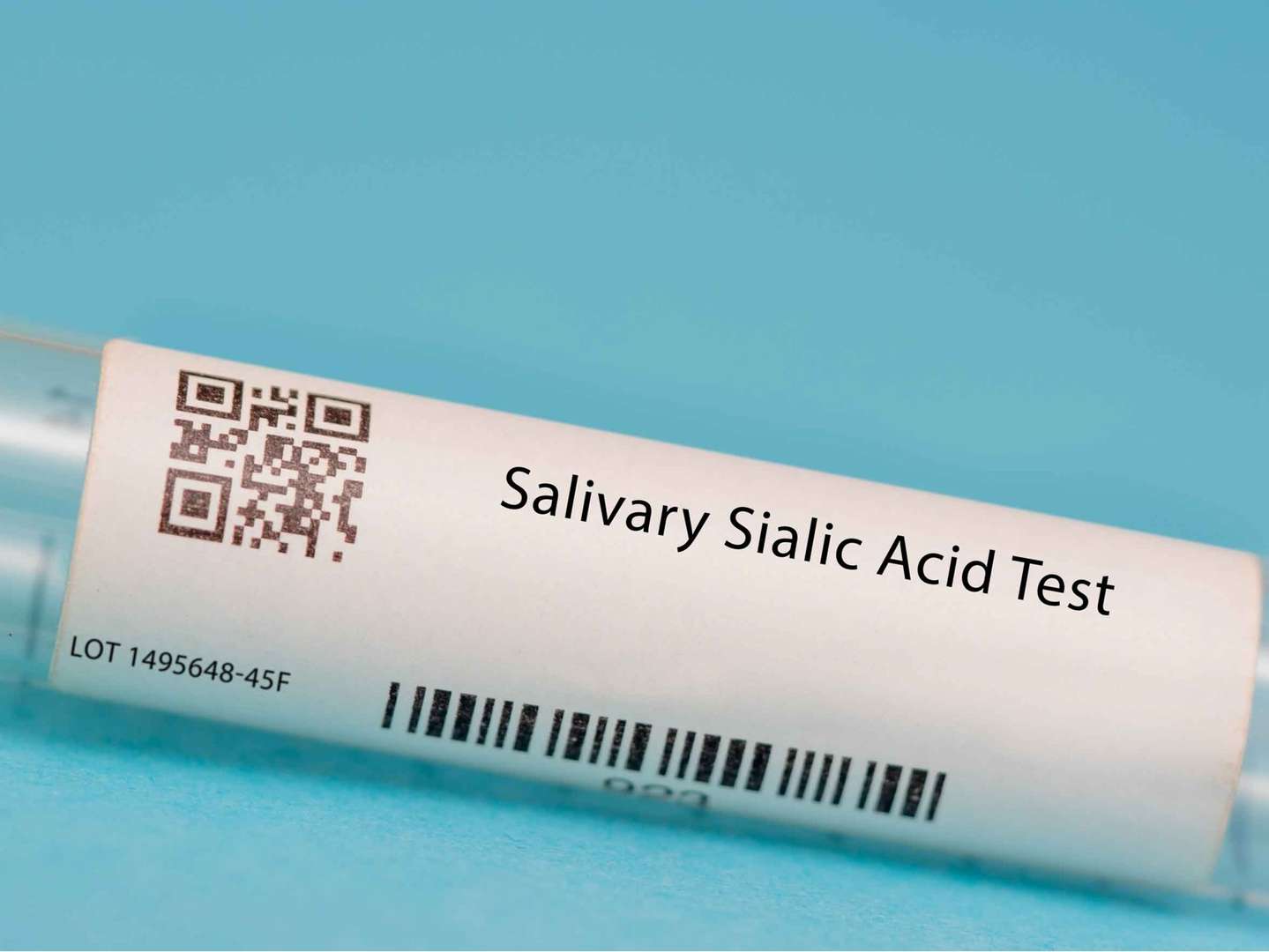
Sialic Acid Assay Enzymes & Kits
Sialic acid methods can use sialidases, sialic acid aldolase, and related enzymes to release or convert sialic acid for quantitative detection. Product choice depends on the target form and assay pathway.
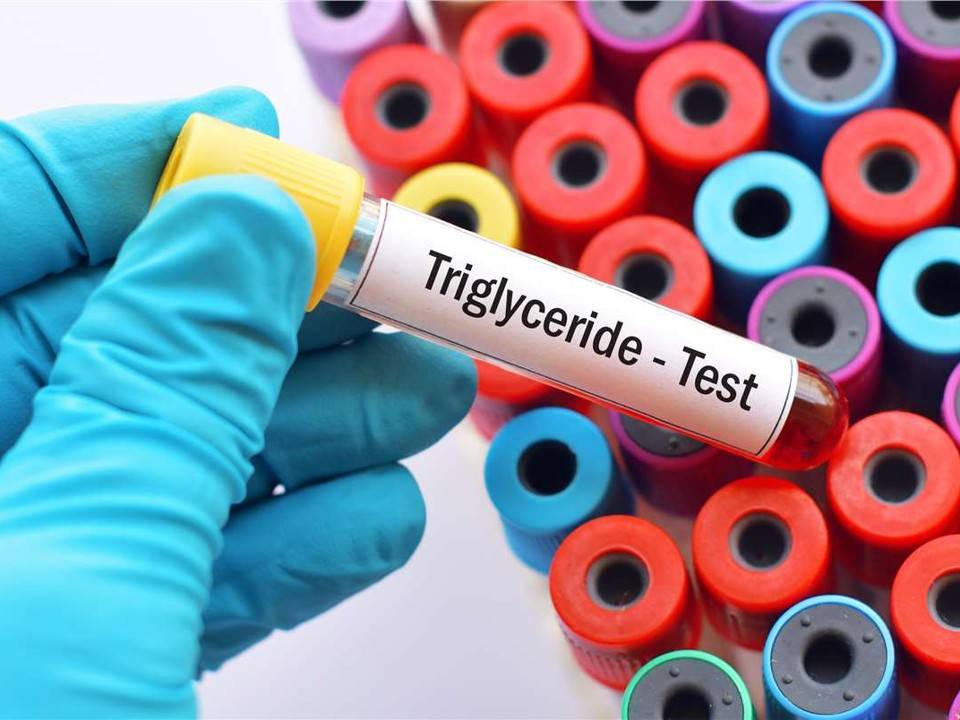
Triglyceride Assay Enzymes & Kits
Common enzymatic triglyceride methods combine lipase, glycerol kinase, glycerol-3-phosphate oxidase, and a suitable reporter system. Enzyme balance, free glycerol, lipemia, and reagent blank are important development considerations.
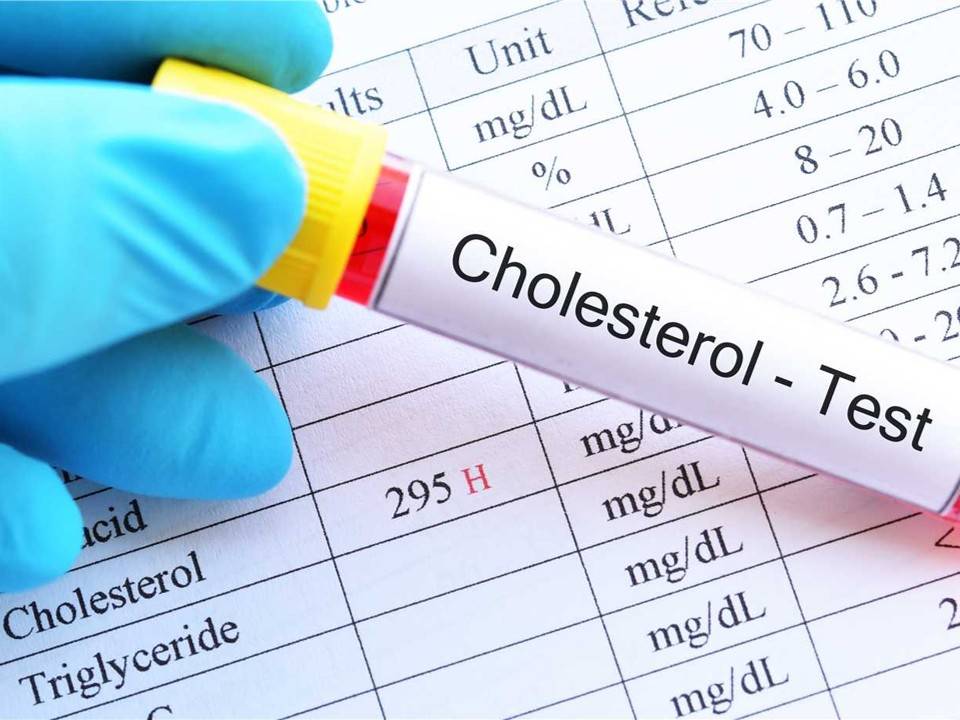
Total Cholesterol Assay Enzymes & Kits
Total cholesterol assays commonly combine cholesterol esterase, cholesterol oxidase, and peroxidase or another reporter system. Formulation, solubilization, chromogen stability, and matrix effects should be evaluated together.
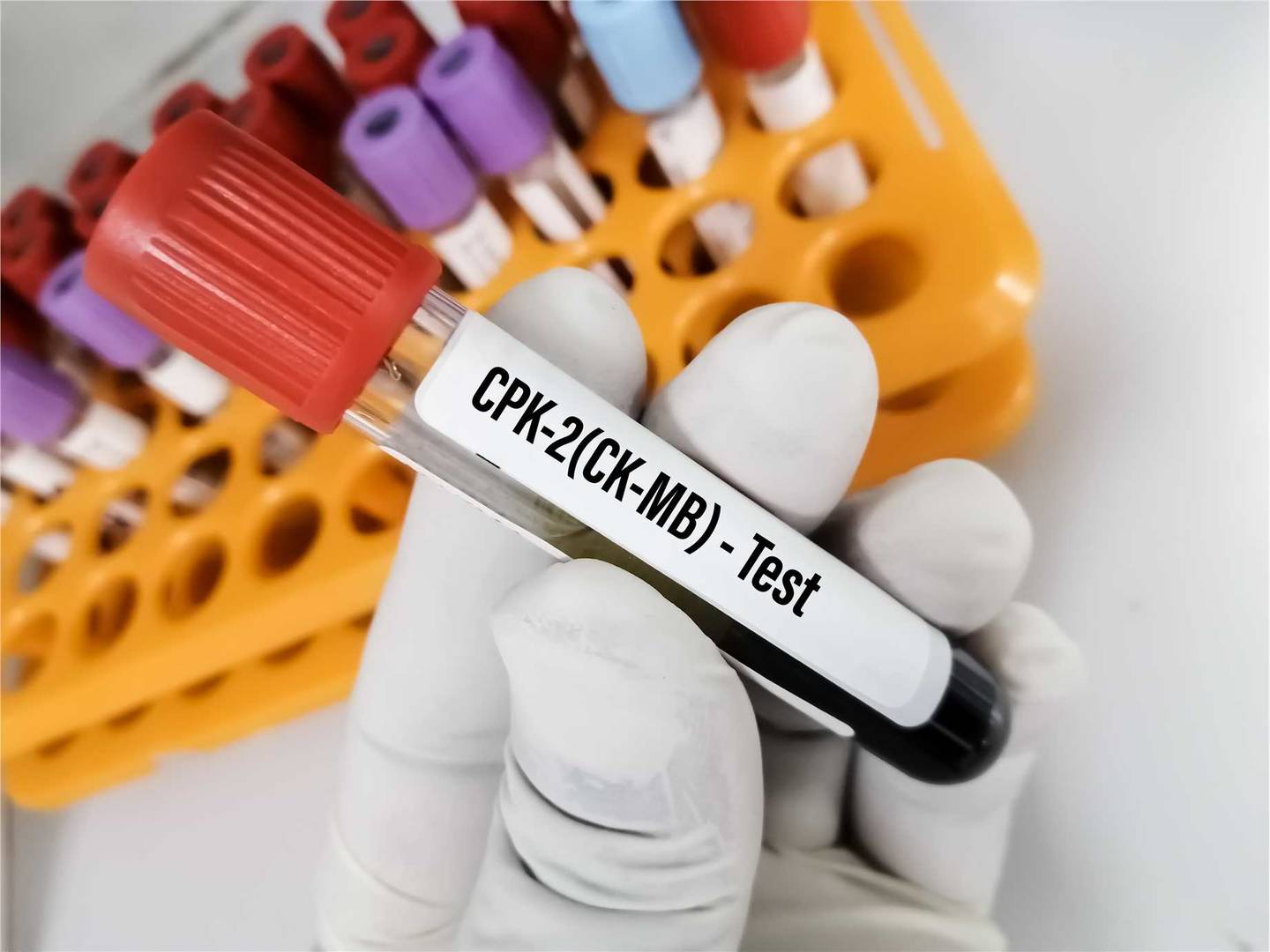
Creatine Kinase Assay Enzymes & Kits
Creatine kinase activity methods can couple ATP formation to hexokinase and glucose-6-phosphate dehydrogenase reactions for kinetic measurement. Auxiliary enzymes, substrates, activators, and specimen interference must be matched to the method.
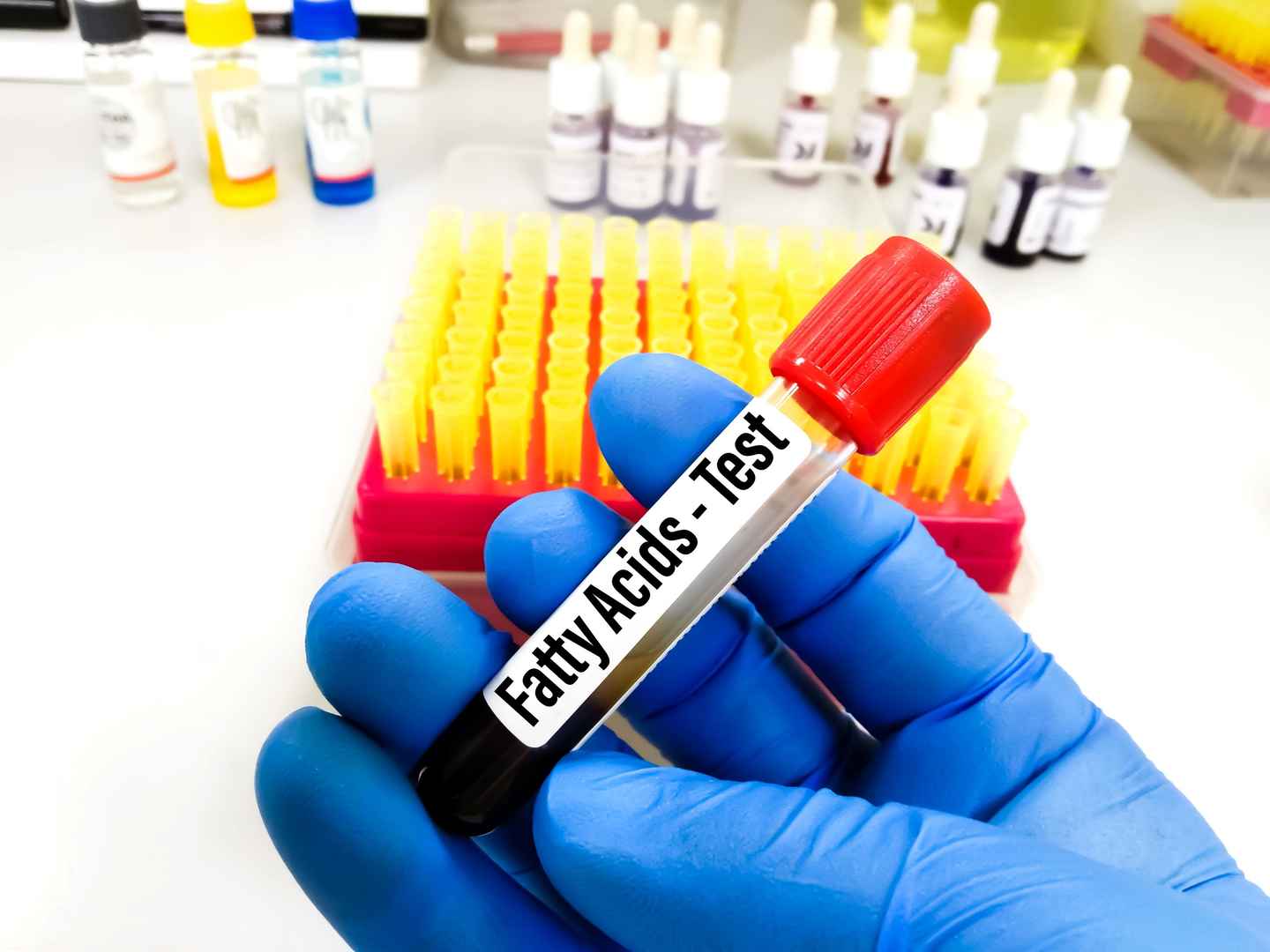
Free Fatty Acid (NEFA) Assay Enzymes & Kits
NEFA assays can use acyl-CoA synthetase and acyl-CoA oxidase in coupled detection systems. Substrate specificity, reaction balance, background signal, and matrix effects are key considerations.
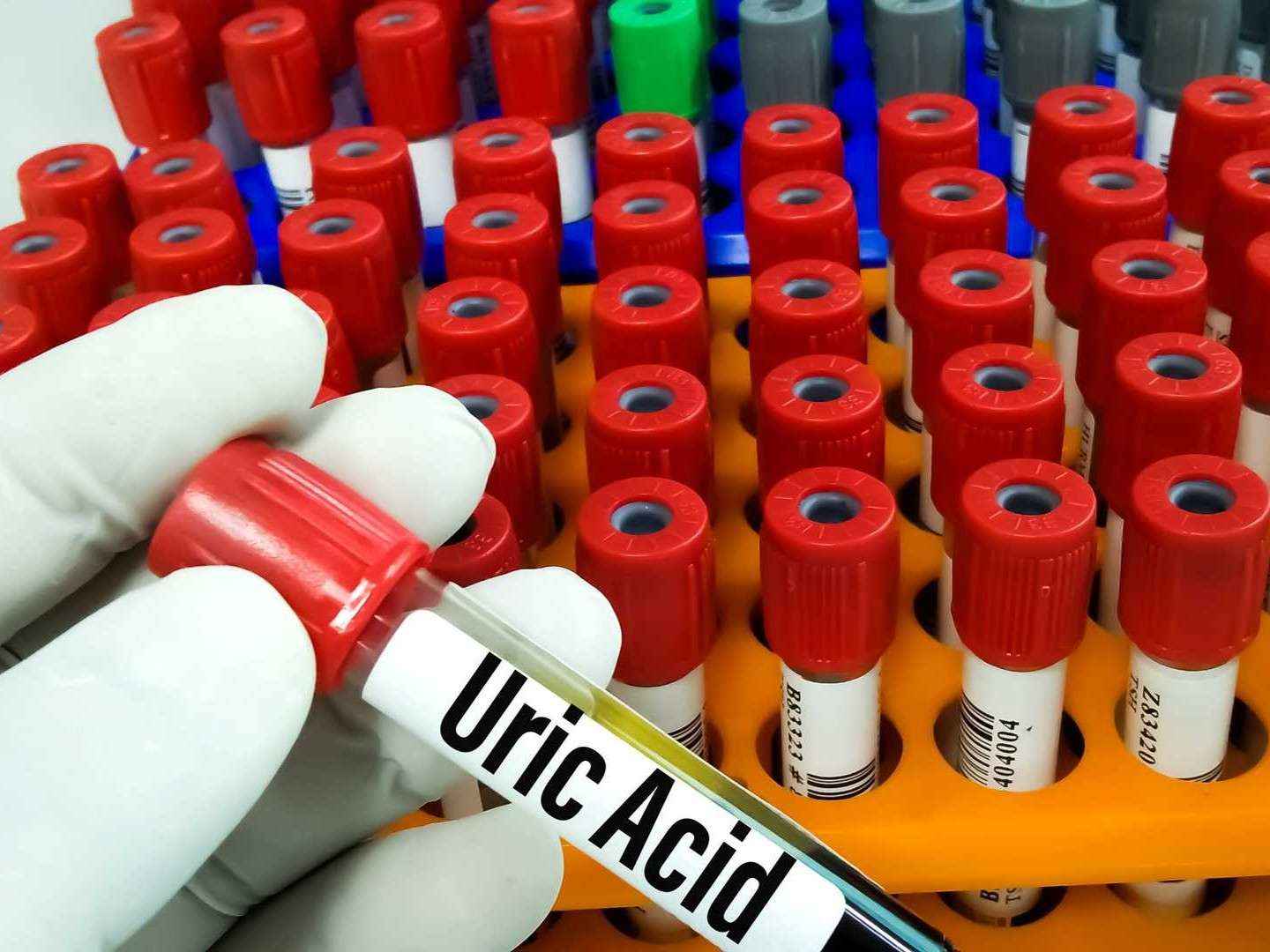
Uric Acid Assay Enzymes & Kits
Uric acid assays commonly use uricase-based oxidation coupled to a suitable signal system. Selection should account for uricase activity, peroxide handling, interfering substances, and assay calibration.
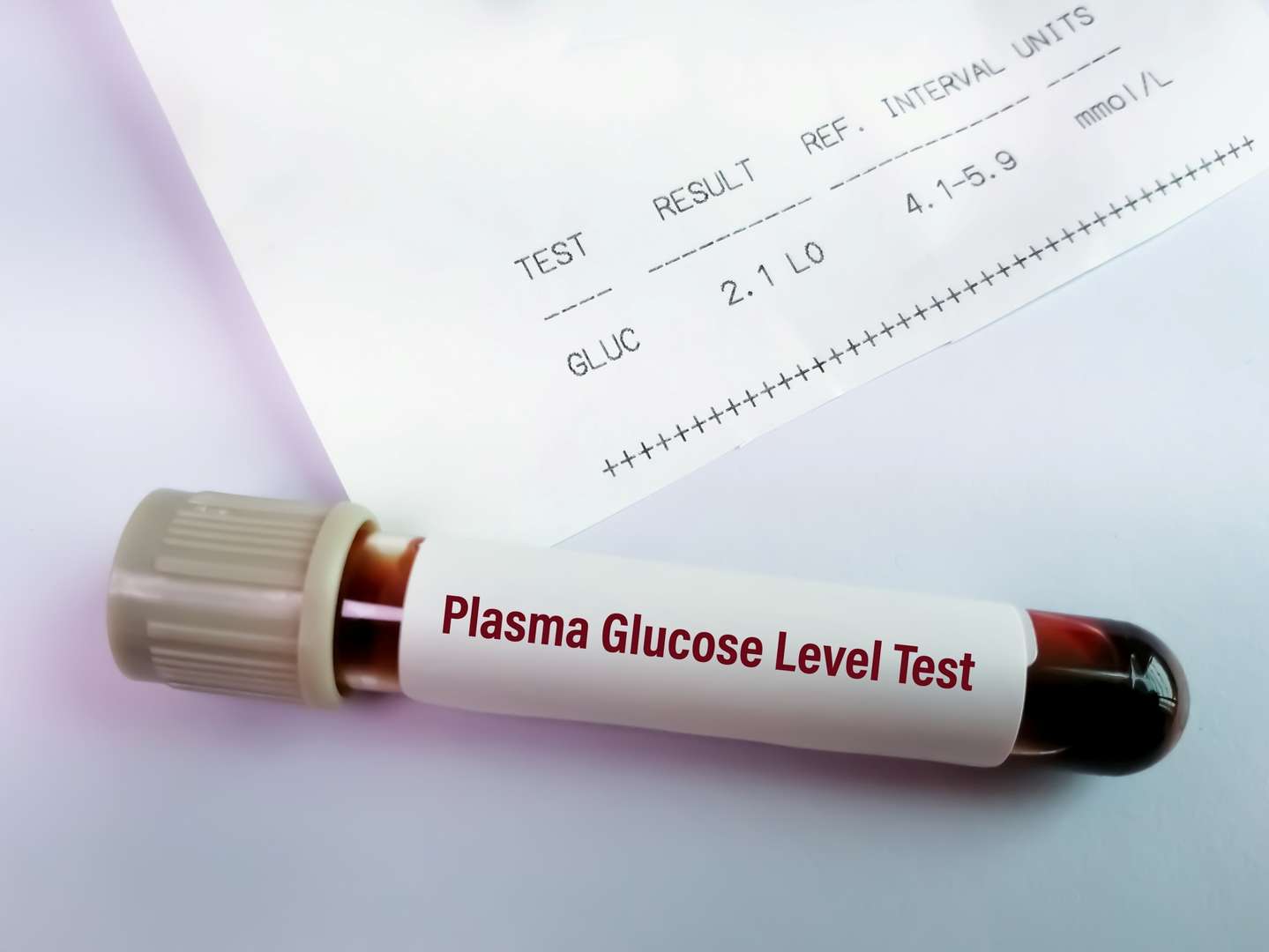
Glucose measurement can use glucose oxidase, glucose dehydrogenase, or hexokinase-based reaction systems. The appropriate enzyme depends on oxygen dependence, cofactor requirements, matrix, and detection platform.
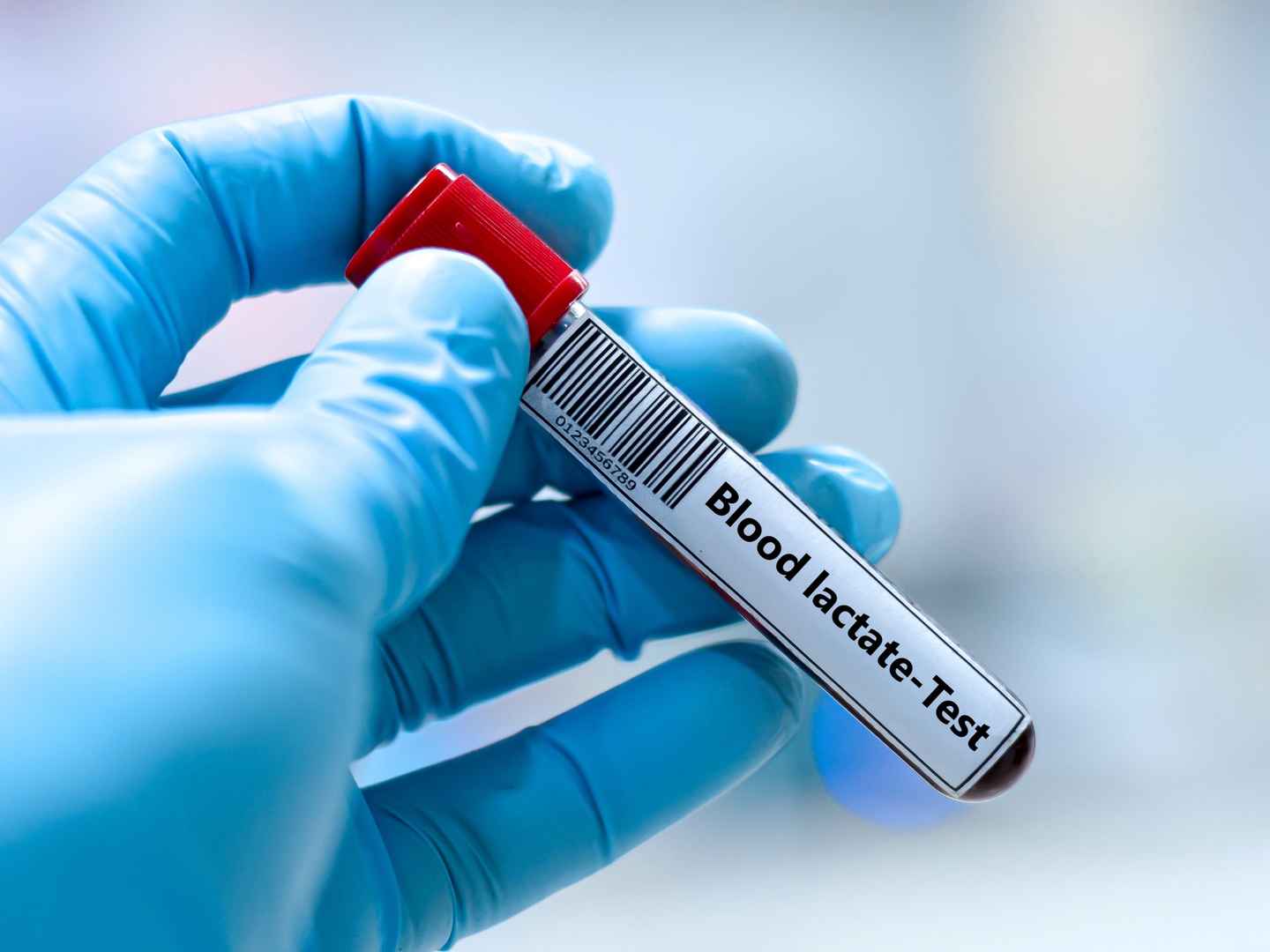
Lactate assays commonly use lactate oxidase or lactate dehydrogenase with coupled detection chemistry. Enzyme selection should reflect the desired specificity, cofactor system, specimen matrix, and signal format.
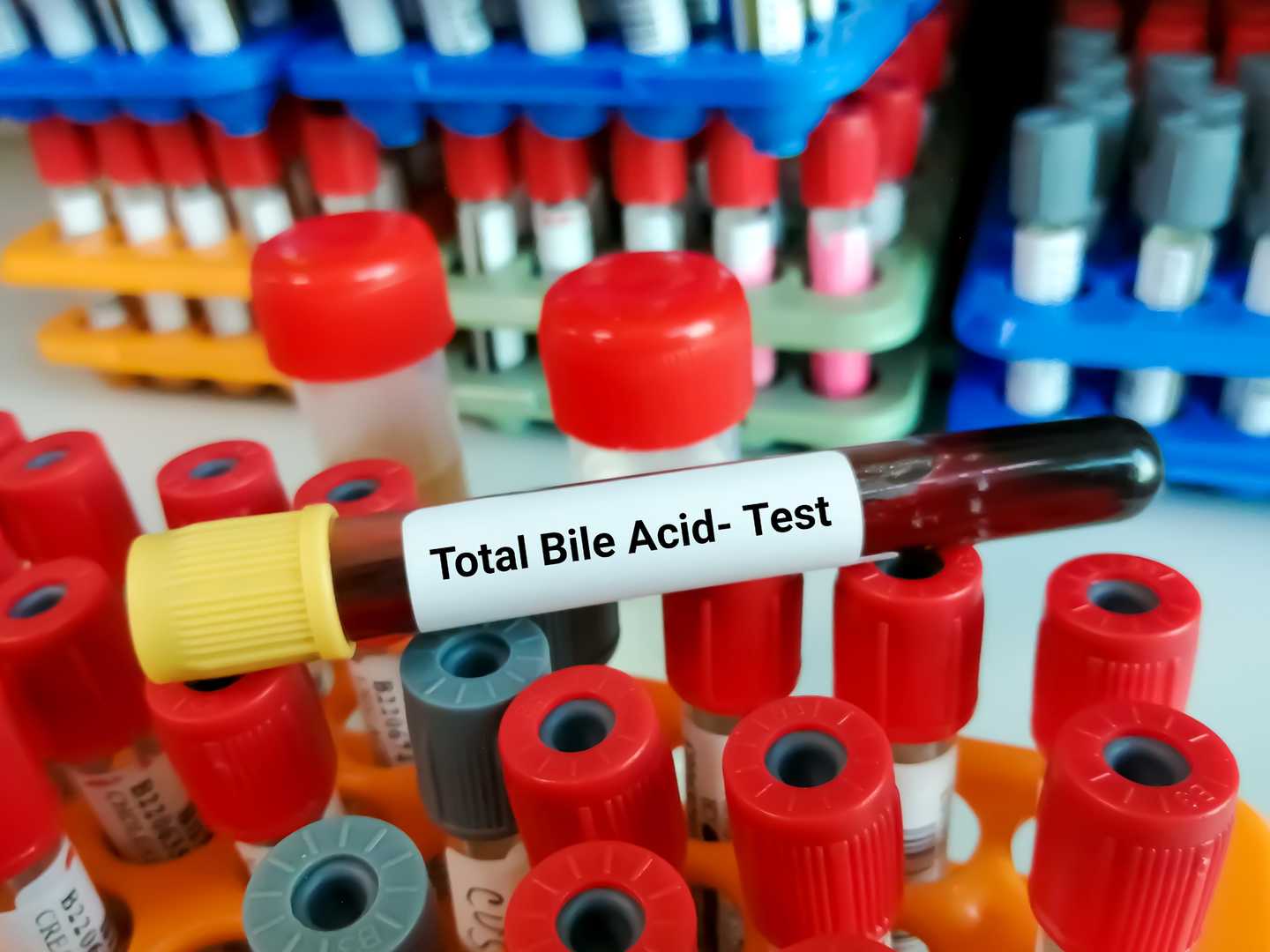
Total Bile Acid Assay Enzymes & Kits
Enzymatic total bile acid methods can use 3α-hydroxysteroid dehydrogenase with a cofactor-coupled detection system. Substrate coverage, cofactor balance, calibration, and matrix effects require method-specific evaluation.
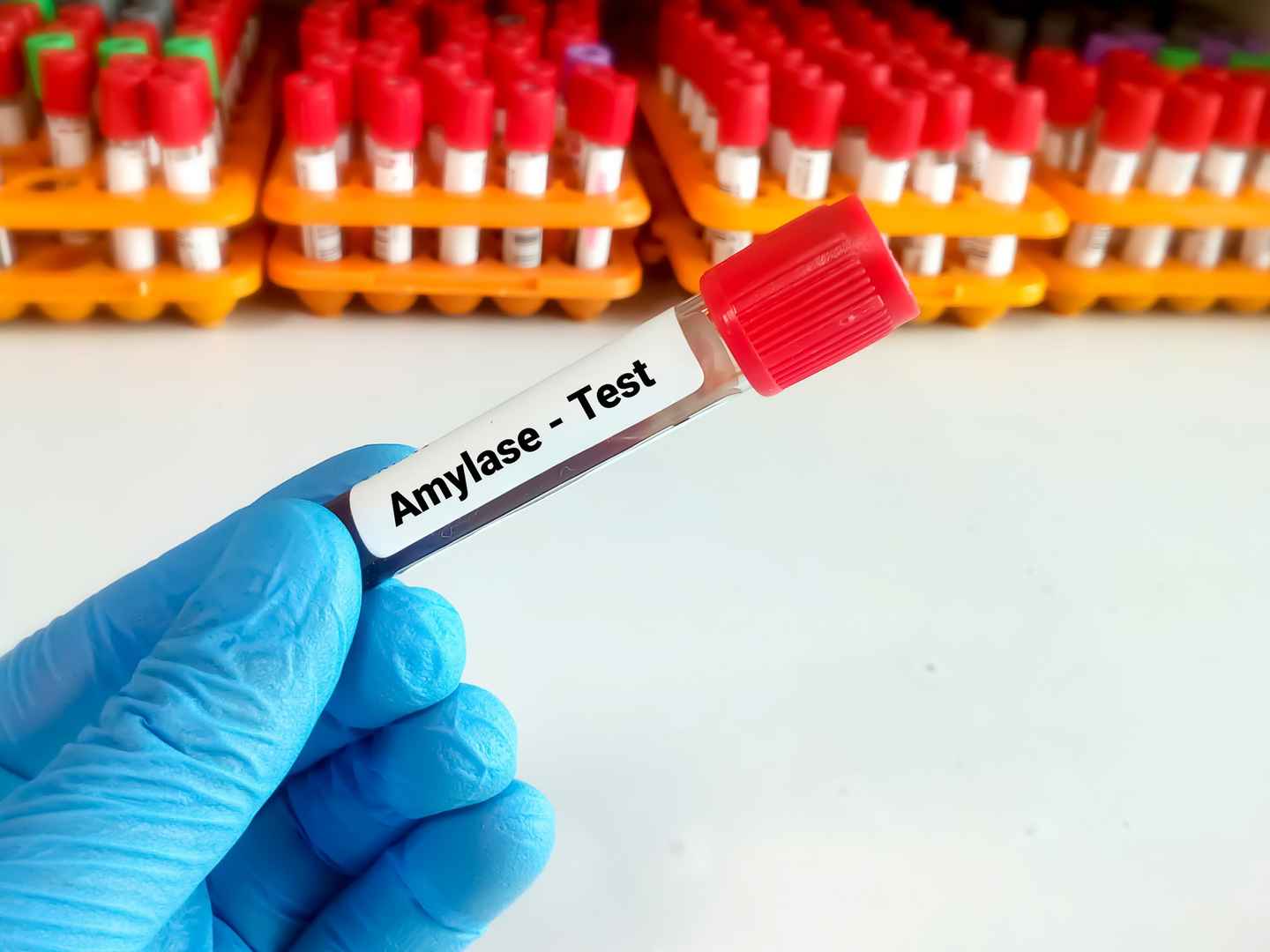
Amylase activity assays use defined substrates and chromogenic or coupled detection systems. Substrate selection, auxiliary enzyme activity, reaction temperature, pH, and calibration all influence measured activity.
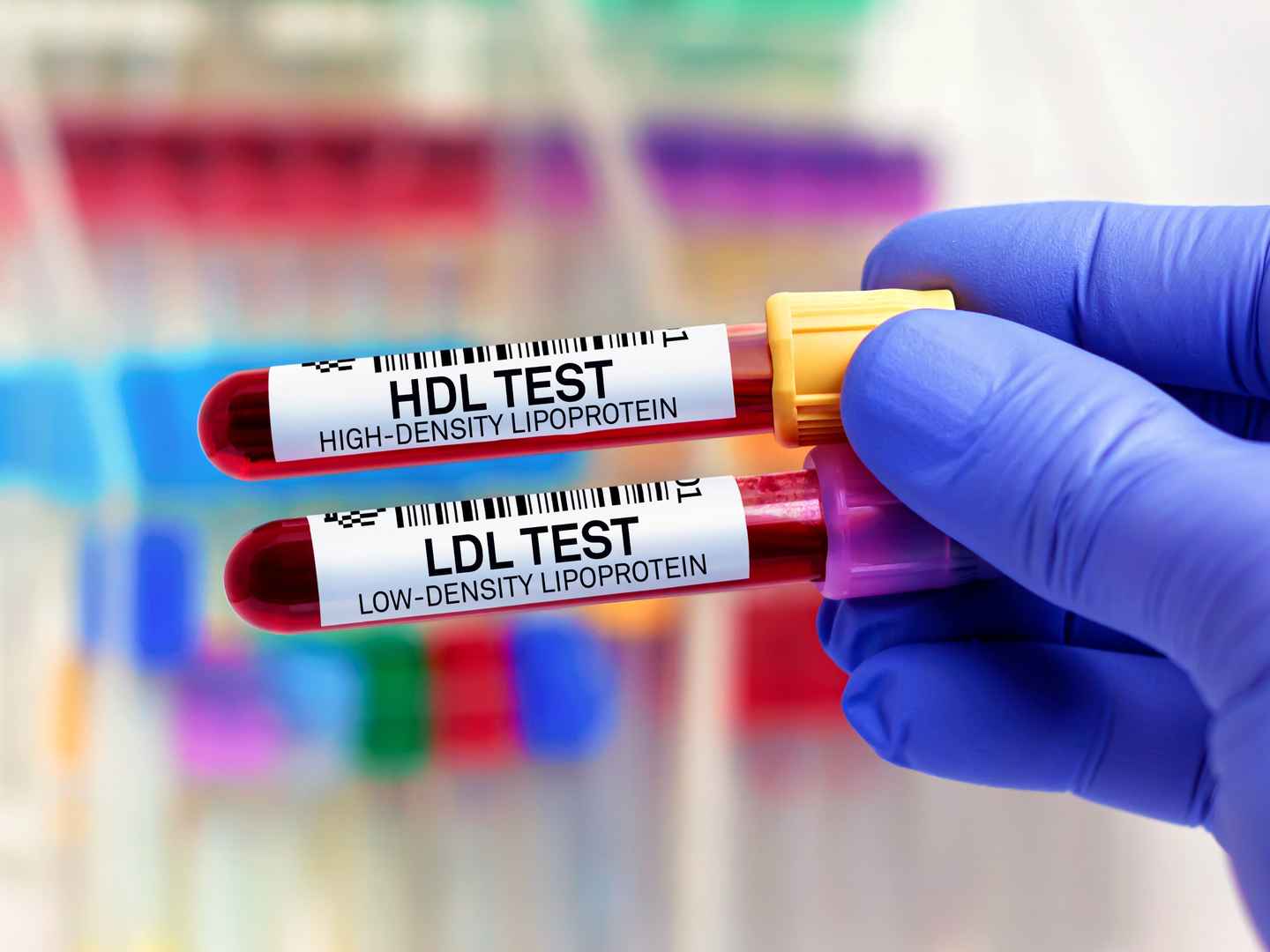
HDL/LDL Cholesterol Assay Enzymes & Kits
Homogeneous HDL-C and LDL-C methods combine selective reaction chemistry with cholesterol esterase, cholesterol oxidase, and reporter enzymes. Fraction selectivity and response to atypical lipoproteins should be evaluated during method development.
Advanced components support signal generation, conjugation, stabilization, calibration, control, immobilization, and other functions that complement core diagnostic enzymes.
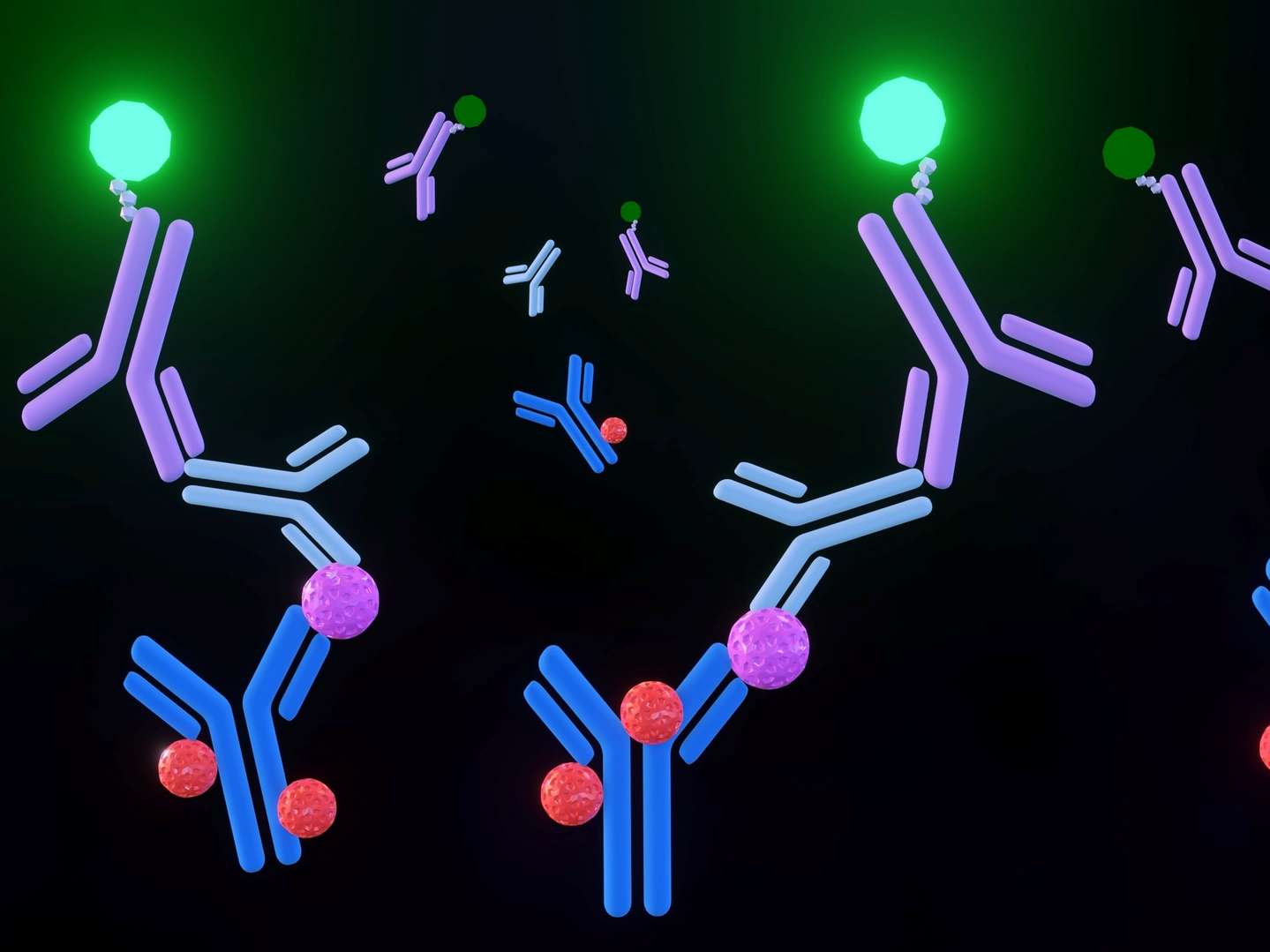
Enzyme-antibody conjugates combine antibody recognition with enzyme-based signal generation for immunoassay formats such as ELISA, CLIA, and lateral-flow testing. Conjugation strategy should preserve both binding and reporter activity.
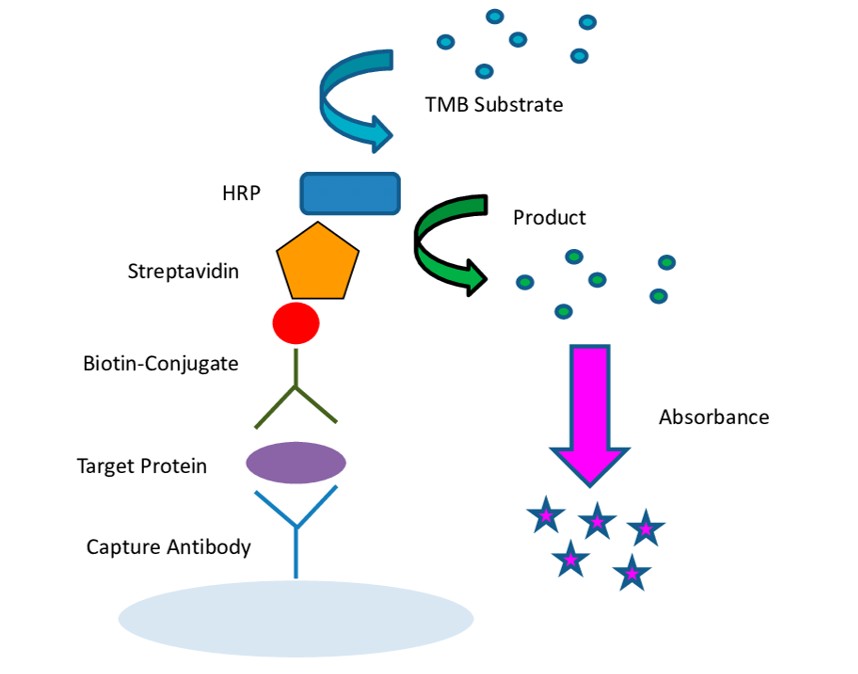
HRP/AP and Streptavidin-Enzyme Conjugates
HRP, alkaline phosphatase, and streptavidin-enzyme conjugates support different immunoassay architectures. Selection depends on the recognition reagent, substrate chemistry, incubation conditions, and detection instrument.
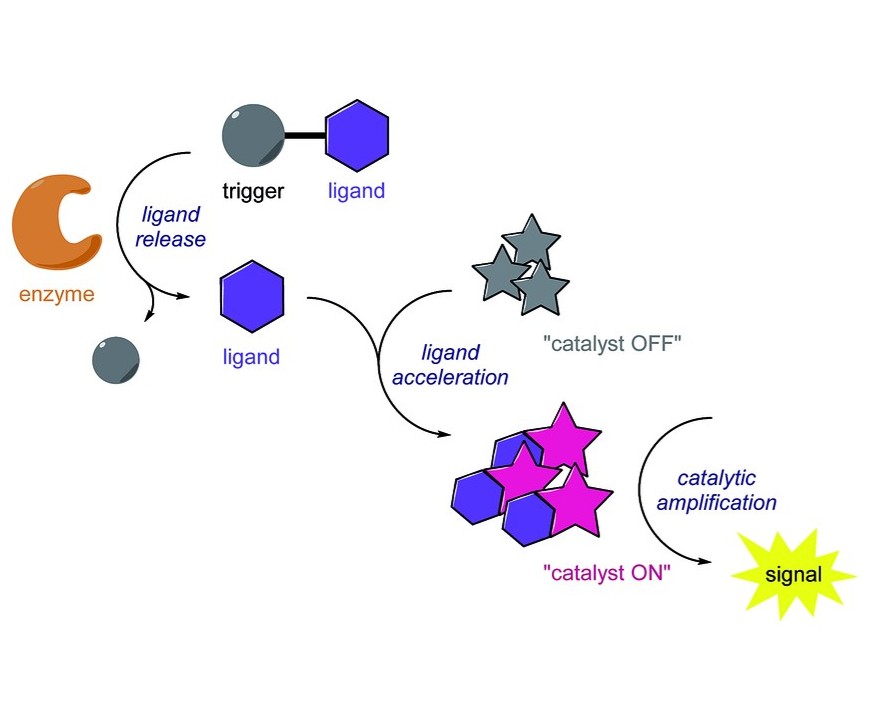
Enzyme Substrates and Signal Amplification Components
Substrates convert reporter-enzyme activity into measurable optical or electrochemical signals. Signal-amplification components should be selected with the reporter enzyme, detection range, reaction time, background, and instrument in mind.
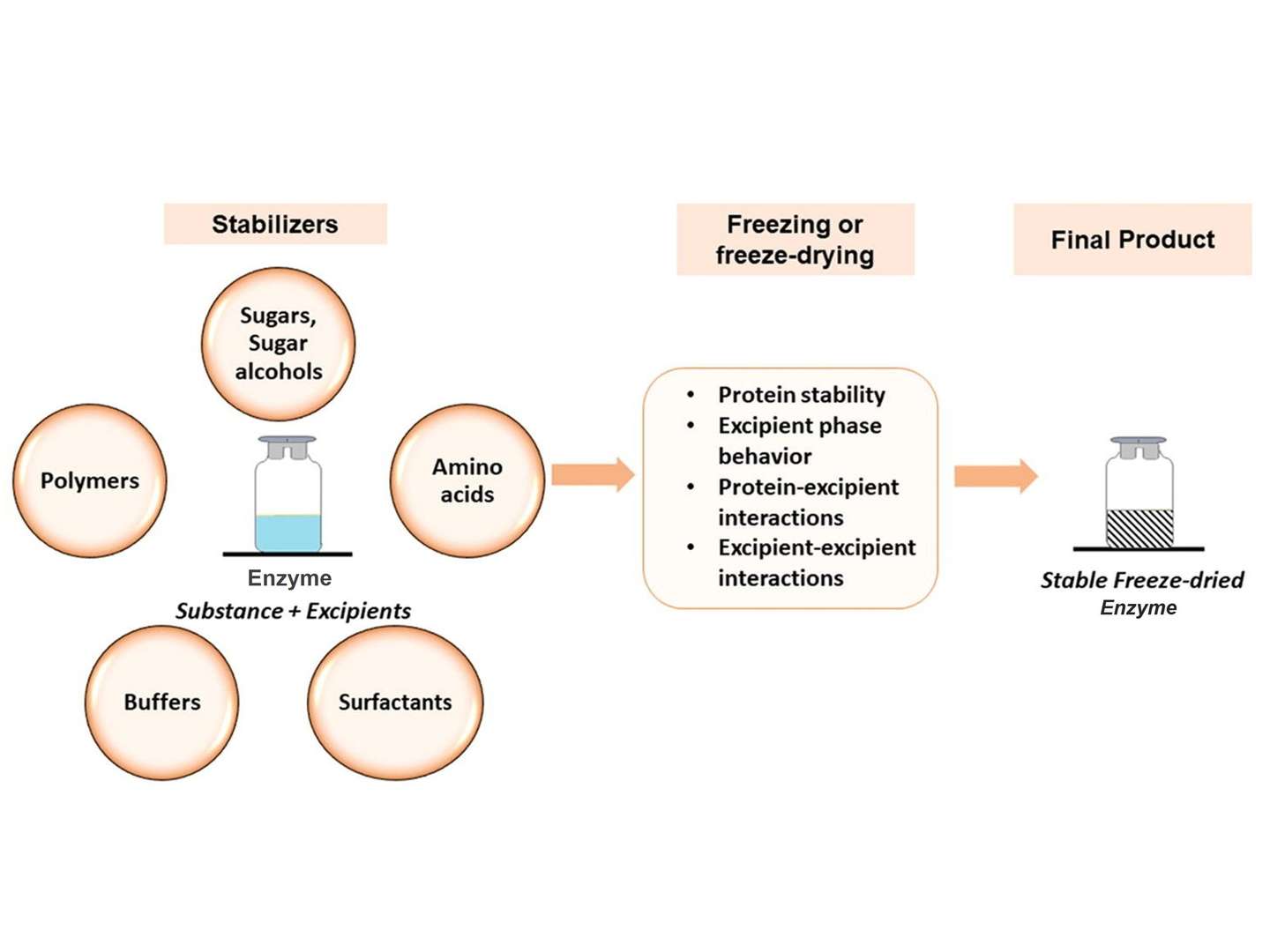
Enzyme Stabilizers, Preservatives and Lyophilized Reagent Components
Stabilizers, preservatives, excipients, and drying-compatible components can help maintain enzyme performance during storage and reconstitution. Compatibility must be evaluated against the complete assay formulation and intended storage conditions.
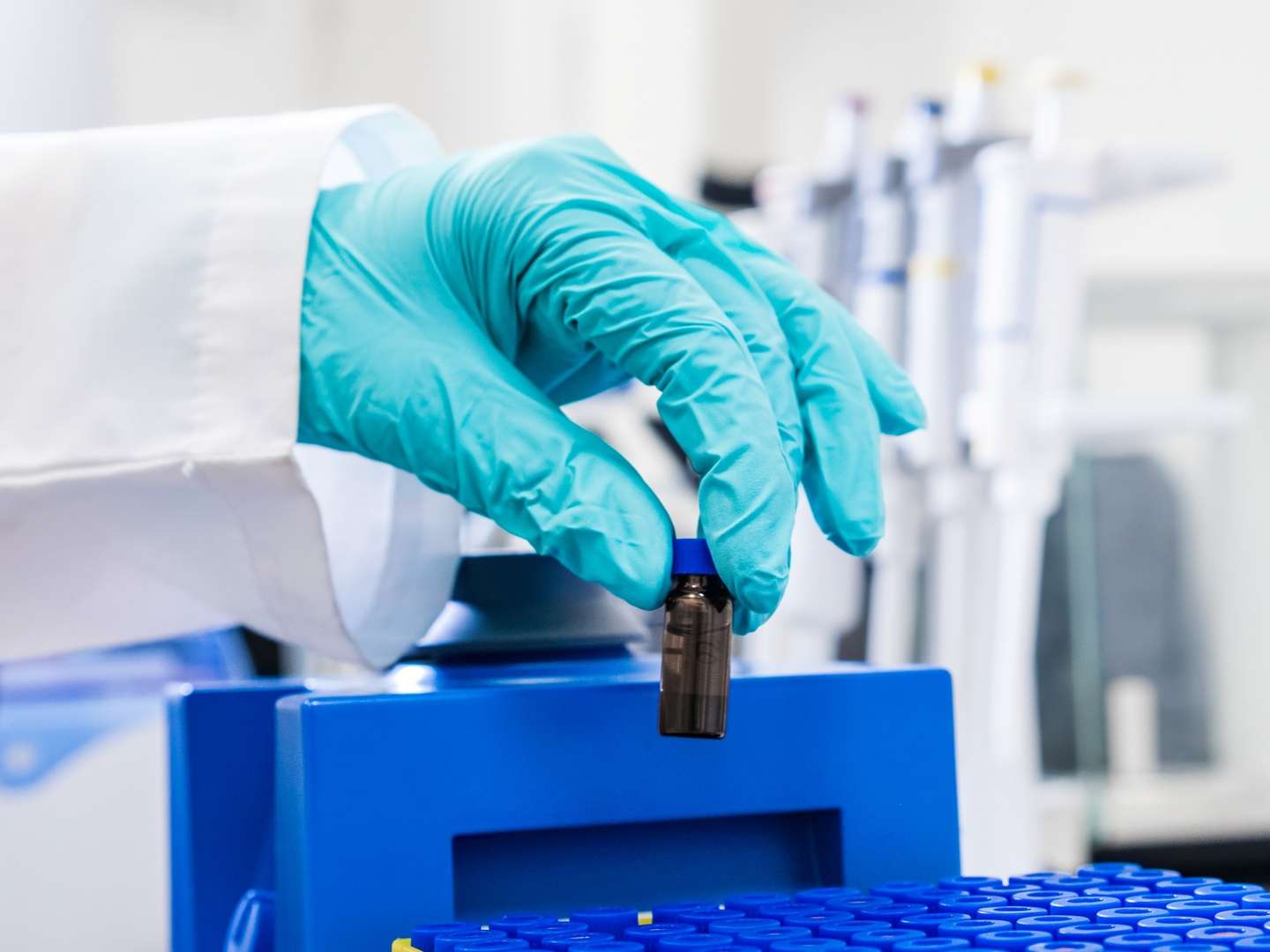
Enzyme Calibrators, Controls and Reference Materials
Calibrators, controls, and reference materials serve different analytical roles. Selection should consider assigned values, matrix, measurement procedure, activity definition, traceability needs, and stability requirements.
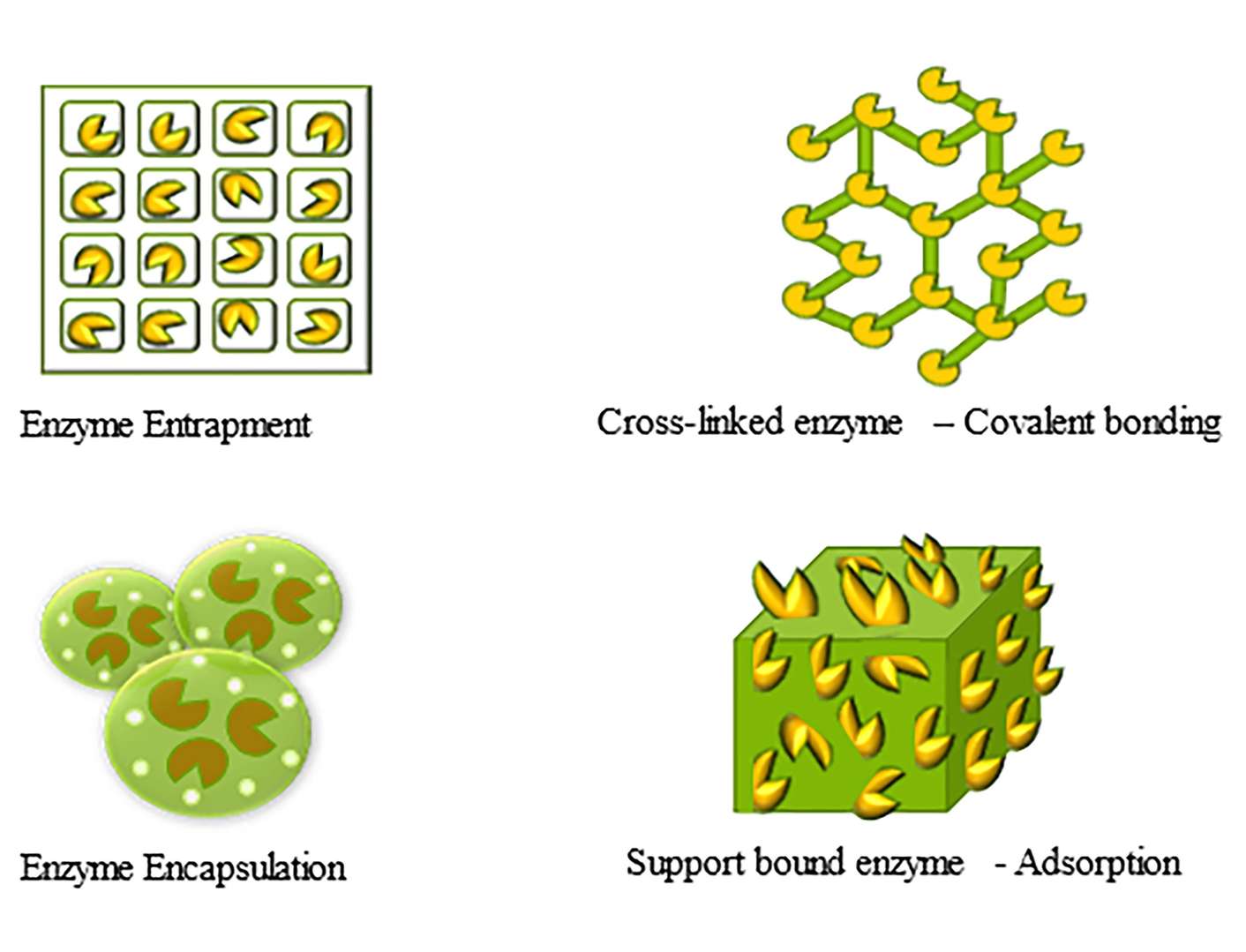
Immobilized Enzyme and Magnetic Bead Reagent Components
Immobilized enzymes and magnetic bead components support solid-phase catalysis, capture, separation, and assay automation. Evaluation should include retained activity, accessibility, binding or coupling efficiency, dispersion, washing, and recovery.
Molecular diagnostic workflows use specialized enzymes to copy, modify, join, repair, or detect nucleic acids. Categories below are organized around the workflow rather than enzyme name alone.
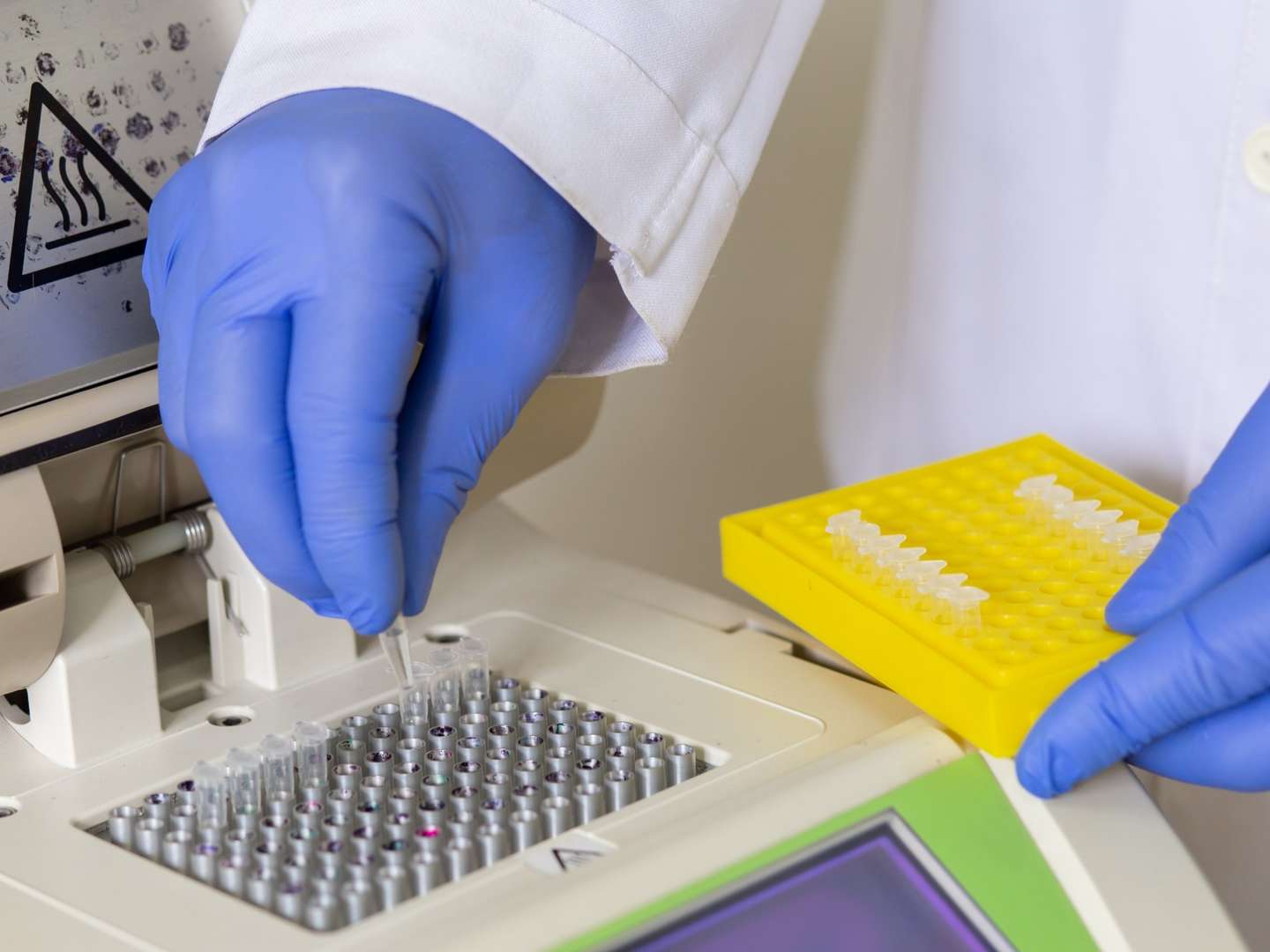
PCR/qPCR Enzymes and Master Mixes
Thermostable DNA polymerases, hot-start formats, proofreading enzymes, and master mixes support endpoint PCR, qPCR, multiplexing, and high-fidelity amplification. Selection depends on specificity, processivity, extension performance, and sample matrix.
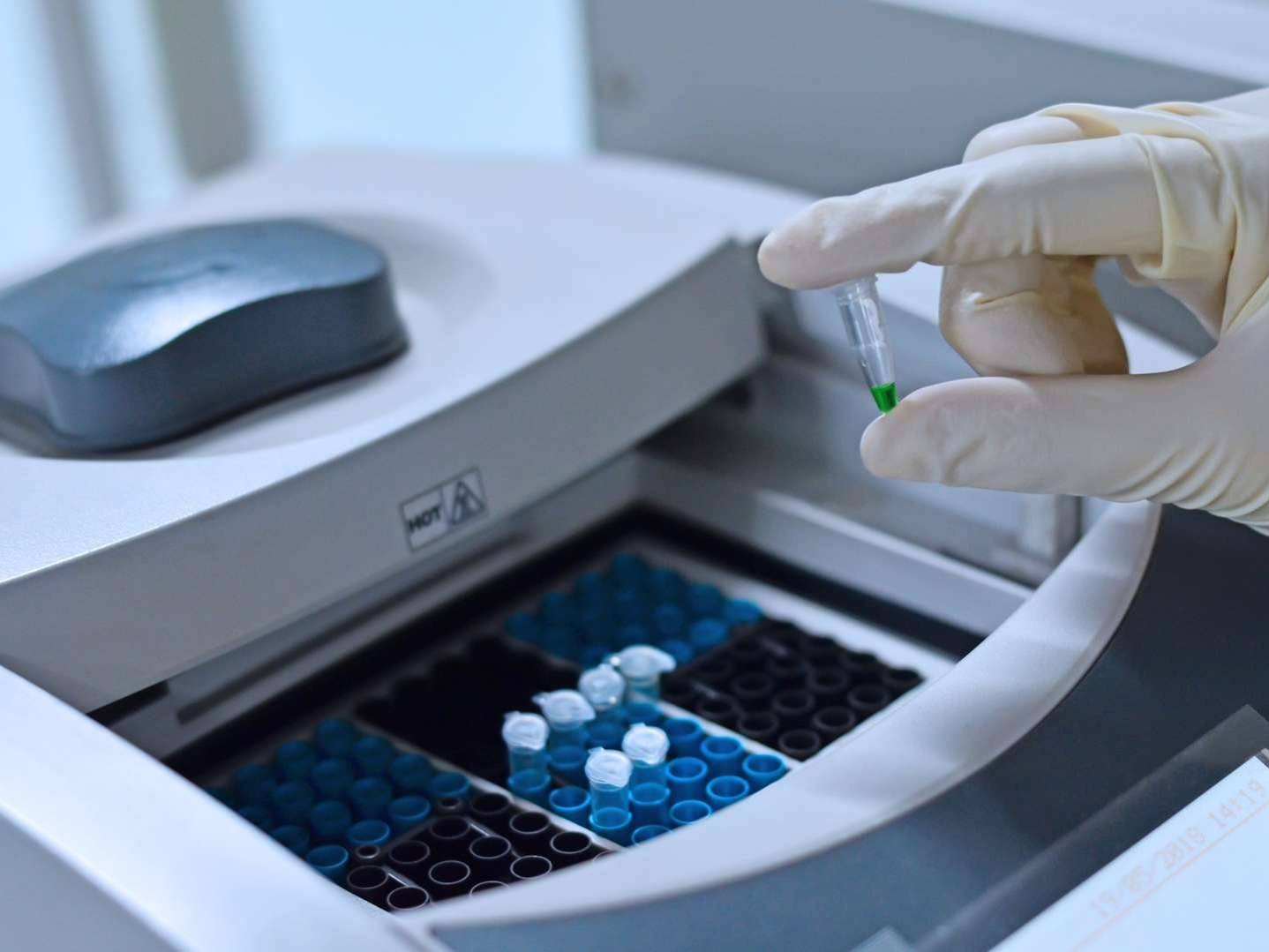
Reverse Transcription and RT-qPCR Enzymes and Mixes
Reverse transcriptases and one-step or two-step RT-qPCR systems convert RNA to cDNA and support quantitative amplification. Compatibility among the RT enzyme, polymerase, buffer, probes, and thermal profile is essential.
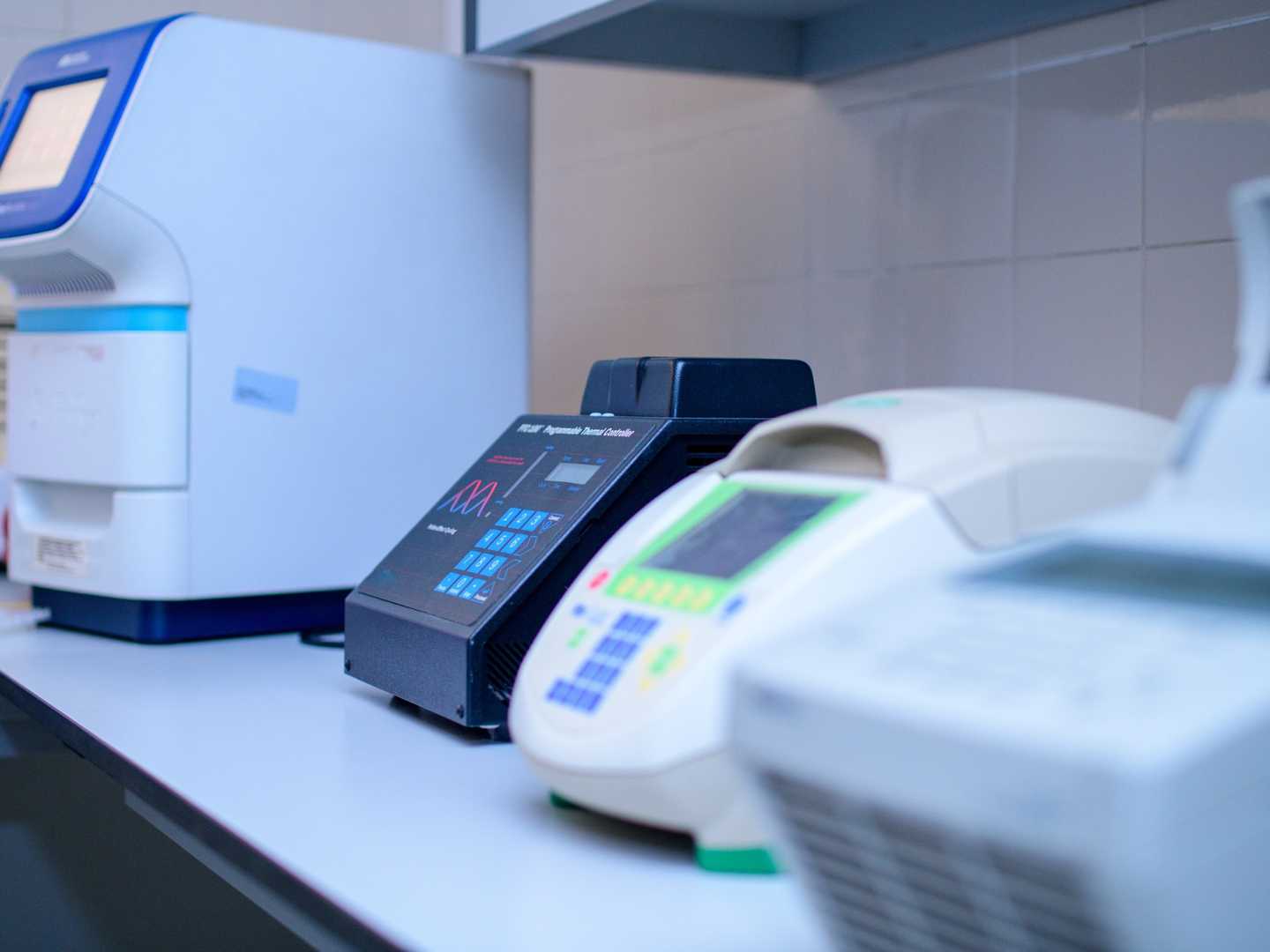
Isothermal Amplification Enzymes and Mixes
Isothermal amplification systems use enzymes with strand-displacement or other specialized activities to amplify nucleic acids at near-constant temperature. Selection depends on the amplification chemistry, target, speed, specificity, and detection format.

NGS Library Preparation Enzymes and Reagents
NGS workflows use enzymes for fragmentation, end repair, A-tailing, phosphorylation, ligation, amplification, and other library-preparation steps. Product choice depends on library architecture, input material, sequencing platform, and workflow compatibility.
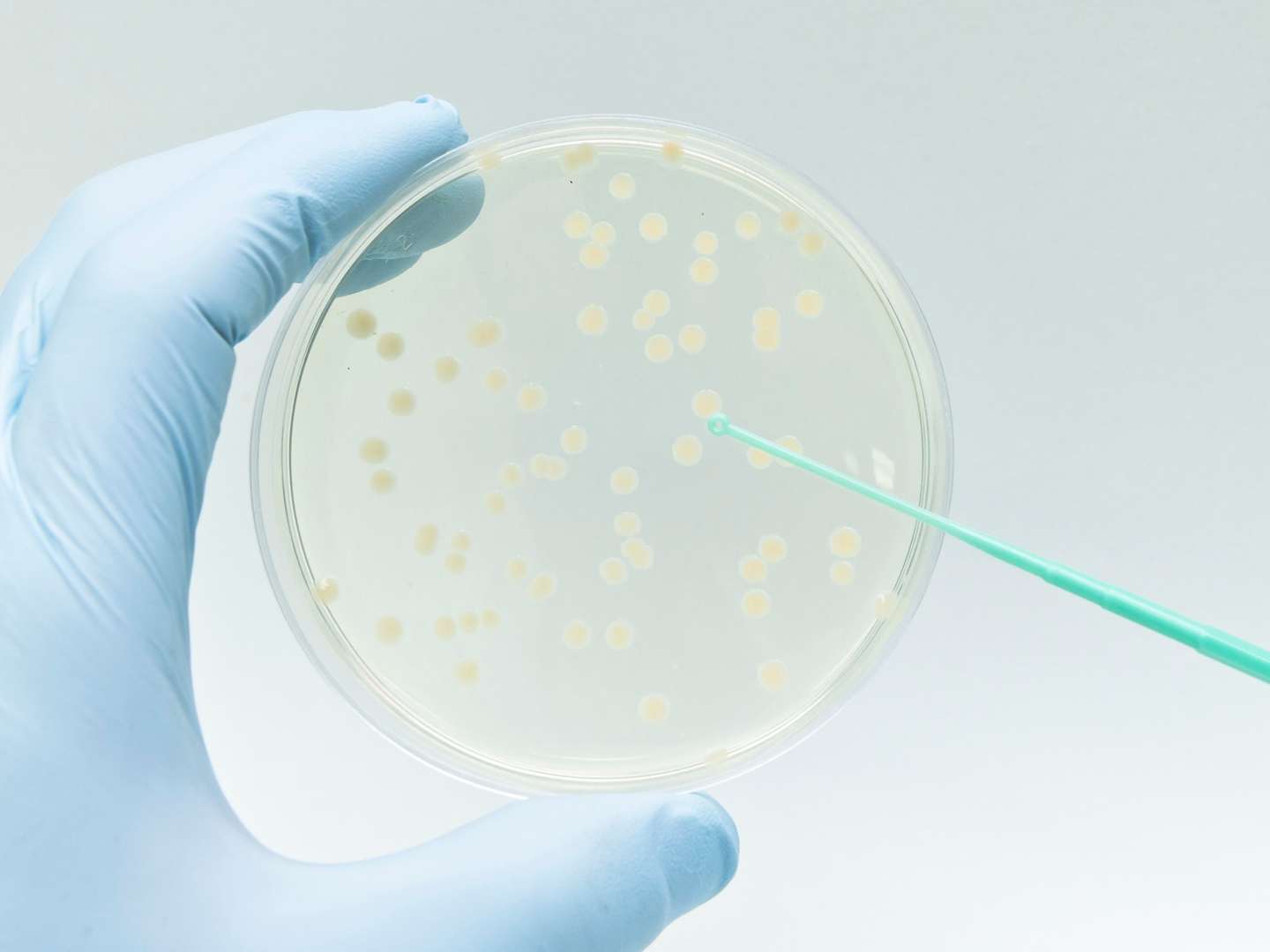
CRISPR Diagnostic Enzymes and Reagents
CRISPR-associated enzymes can provide sequence-specific recognition or cleavage for nucleic acid detection. Diagnostic suitability depends on target design, collateral activity where relevant, signal generation, reaction format, and matrix tolerance.
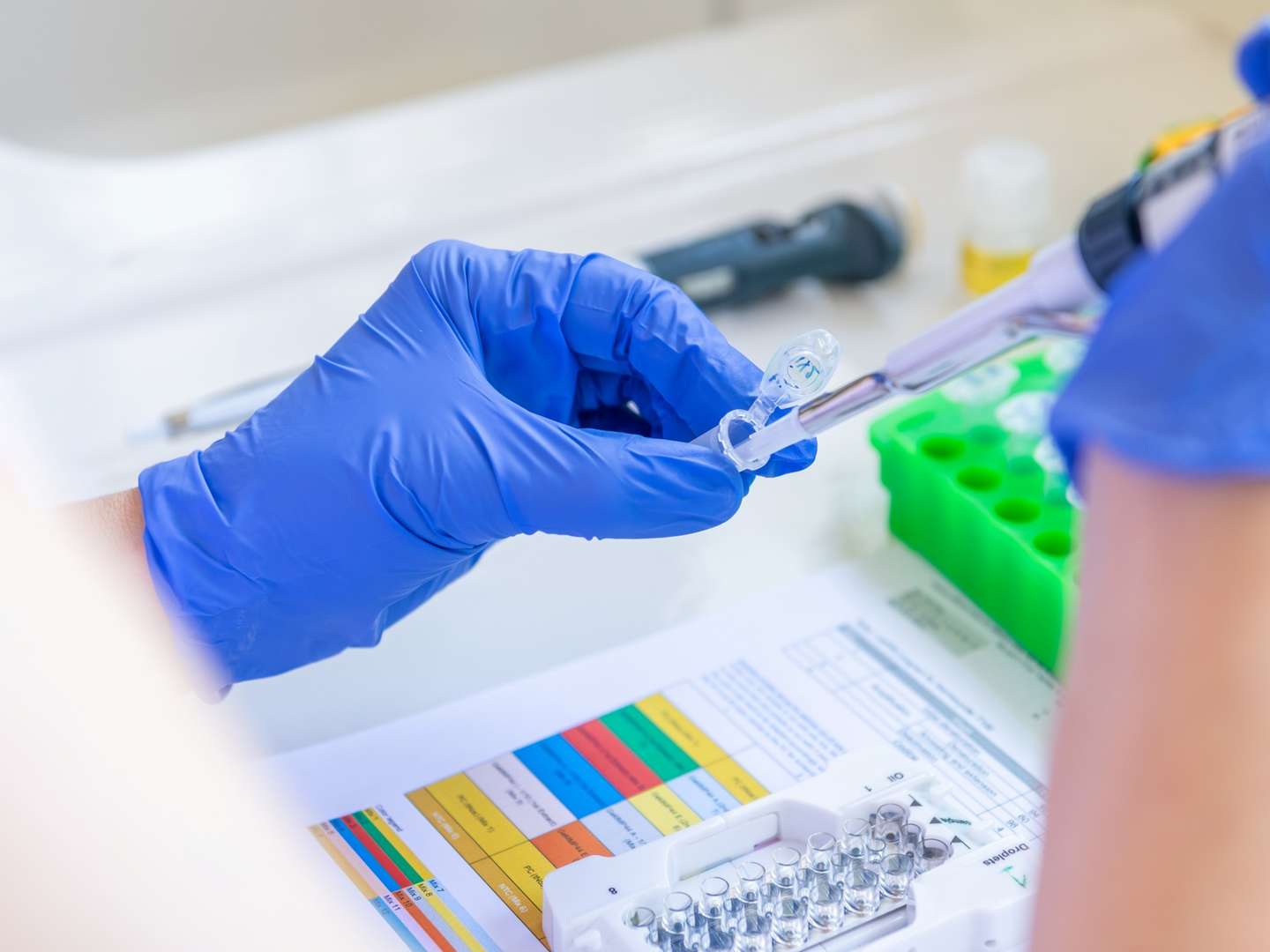
DNA/RNA Ligases and Repair Enzymes
Ligases and repair enzymes modify nucleic acid ends and support joining, end repair, adapter ligation, and related molecular workflows. Selection should match substrate structure, cofactors, temperature, and downstream requirements.
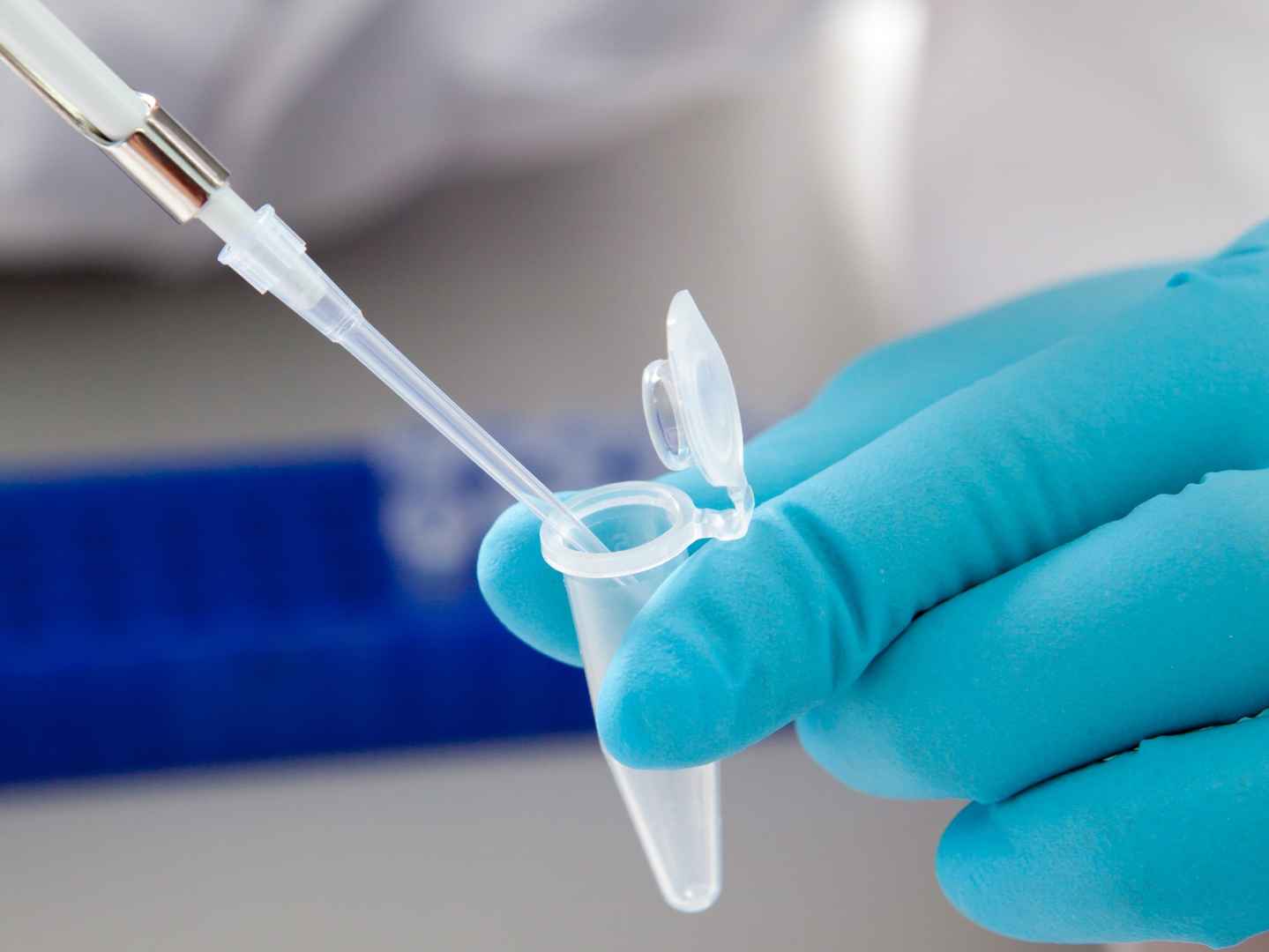
UDG/dUTP Carryover Prevention Enzymes
Uracil-DNA glycosylase with dUTP-based workflows can reduce carryover from uracil-containing amplicons generated in earlier reactions. It is one component of contamination control and does not replace clean workflow practices.

Molecular Sample Preparation Enzymes
Sample-preparation enzymes can support lysis, digestion, nucleic acid release, cleanup, and pretreatment before amplification or analysis. Recovery, inhibitor removal, residual enzyme activity, and downstream compatibility should be assessed together.

Lyophilization-Ready Molecular Diagnostic Reagents
Lyophilization-ready molecular reagents are formulated for drying and reconstitution rather than assuming a liquid formulation will transfer unchanged. Development can evaluate residual moisture, reconstitution, amplification performance, and storage or shipping stability.
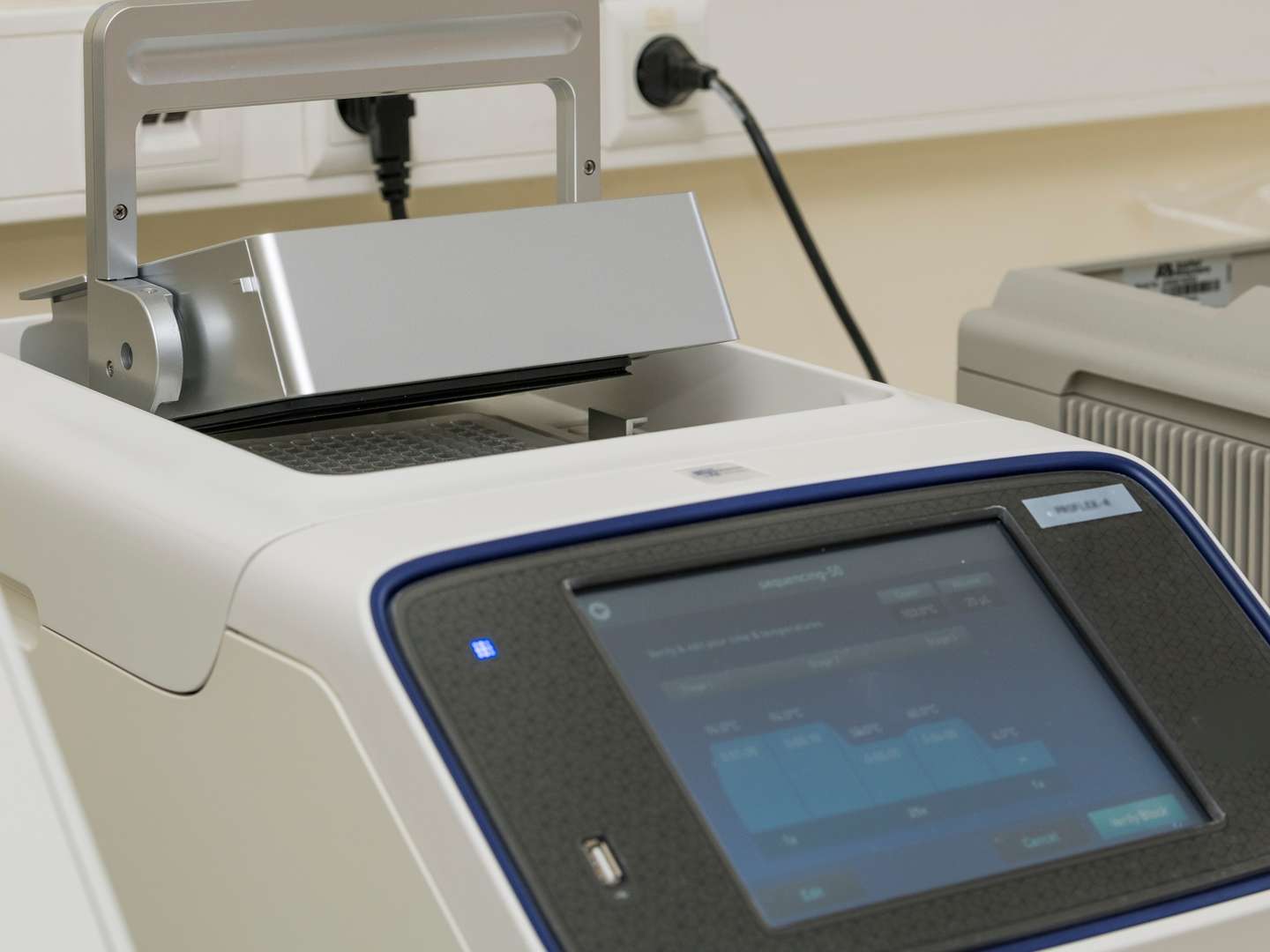
Digital PCR-Compatible Enzymes and Premixes
Digital PCR requires reaction chemistry that remains robust after partitioning into droplets, chambers, or other formats. Evaluation may include cluster separation, low-copy performance, partition compatibility, inhibition, and platform-specific materials.
Quality attributes and acceptance criteria vary by product and intended use. Depending on the material, available documentation may include product specifications, certificates of analysis, activity data, purity information, storage conditions, and stability or application data. Please confirm the current specification and documentation package for the individual product before procurement, method transfer, or validation.
Unless a specific product is identified as having a regulatory authorization or a different intended-use status, these materials should be treated as research-use and assay-development components rather than as finished clinical diagnostic devices or therapeutic products.
Q1. How should I choose a diagnostic enzyme?
Q2. Can the same enzyme appear in more than one product category?
Q3. Are these products finished clinical diagnostic tests?
Q4. Can I request custom formulations or bulk quantities?
Q5. How are diagnostic enzymes stored and shipped?
Q6. Can Creative Enzymes support assay development?
