
Peroxide-generating assays
Oxidases can convert an analyte while producing hydrogen peroxide for colorimetric, fluorometric, chemiluminescent, or electrochemical detection.

| Catalog | Product Name | EC No. | CAS No. | Source | Price |
|---|---|---|---|---|---|
| DIA-423 | Diaphorase from Microorganism | EC 1.6.5.2 | Microorganism | Inquiry | |
| DIA-424 | Beta-Hydroxybutyrate Dehydrogenase from Microorganism | EC 1.1.1.30 | Microorganism | Inquiry | |
| DIA-425 | Glucose Oxidase from Microorganism | EC 1.1.3.4 | Microorganism | Inquiry | |
| DIA-428 | Glucose-6-phospate Dehydrogenase from Microorganism | EC 1.1.1.49 | Microorganism | Inquiry | |
| DIA-434 | Fructosyl-peptide Oxidase (FPOX) from E. coli | EC 1.5.3 | E. coli | Inquiry | |
| DIA-435 | Glutamate Oxidase | EC 1.4.3.11 | Inquiry | ||
| DIA-488 | Luciferase from Escherichia coli | Escherichia coli | Inquiry | ||
| DIA-489 | Luciferase from Vibrio fischeri | Vibrio fischeri | Inquiry | ||
| DIA-546 | High Purity Formate Dehydrogenase | EC 1.2.1.2 (→ EC 1.17.1.9) | 9028-85-7 | Candida boidinii | Inquiry |
Oxidoreductases transfer electrons between substrates. They underpin many diagnostic reactions by converting an analyte into hydrogen peroxide, reduced nicotinamide cofactor, an electroactive mediator state, or another product that can be measured selectively.
Oxidases, dehydrogenases, reductases, and electron-transfer enzymes all belong to the oxidoreductase class, but their analytical behavior is different. An oxidase often uses molecular oxygen and may generate hydrogen peroxide. A dehydrogenase transfers reducing equivalents to NAD(P), FAD, PQQ, or an artificial acceptor. Diaphorase then may transfer electrons from a reduced cofactor to a dye or mediator. The signal route must match the enzyme's electron acceptor and products.
Redox assays are sensitive to oxygen availability, endogenous reducing compounds, mediator chemistry, and unintended peroxide consumption. These effects are especially important in high-protein matrices, dry reagent formats, and electrochemical devices. Enzyme activity should therefore be evaluated as part of the complete electron-transfer chain rather than as an isolated catalytic number.
Oxidases can convert an analyte while producing hydrogen peroxide for colorimetric, fluorometric, chemiluminescent, or electrochemical detection.
Dehydrogenases produce or consume NAD(P)H or another redox cofactor that can be measured directly or through an indicator enzyme.
FAD-, PQQ-, or other cofactor-dependent enzymes can transfer electrons through a mediator to an electrode.
Diaphorase and related enzymes connect reduced cofactors to dyes or electron acceptors in coupled reagent systems.
Select the reaction by analyte and electron-acceptor pathway. Then evaluate cofactor state, oxygen dependence, reporter compatibility, and background chemistry.
Oxidases use oxygen as an electron acceptor and commonly generate hydrogen peroxide or water as the reduced product.
Check: oxygen dependence, peroxide yield, and catalase or reductant interference.
These enzymes link analyte conversion to formation or consumption of NADH or NADPH.
Check: cofactor specificity, optical background, and cofactor stability.
Tightly bound redox cofactors can support mediator-based assays and electrochemical sensor formats.
Check: electron acceptor, mediator potential, and oxygen sensitivity.
These enzymes transfer electrons from reduced cofactors to dyes, tetrazolium salts, or other acceptors.
Check: dye reduction rate, nonspecific acceptors, and blank signal.
Peroxidases use peroxide to oxidize a reporter substrate and are widely used in enzyme-labeled detection systems.
Check: peroxide concentration, substrate kinetics, preservatives, and stop chemistry.
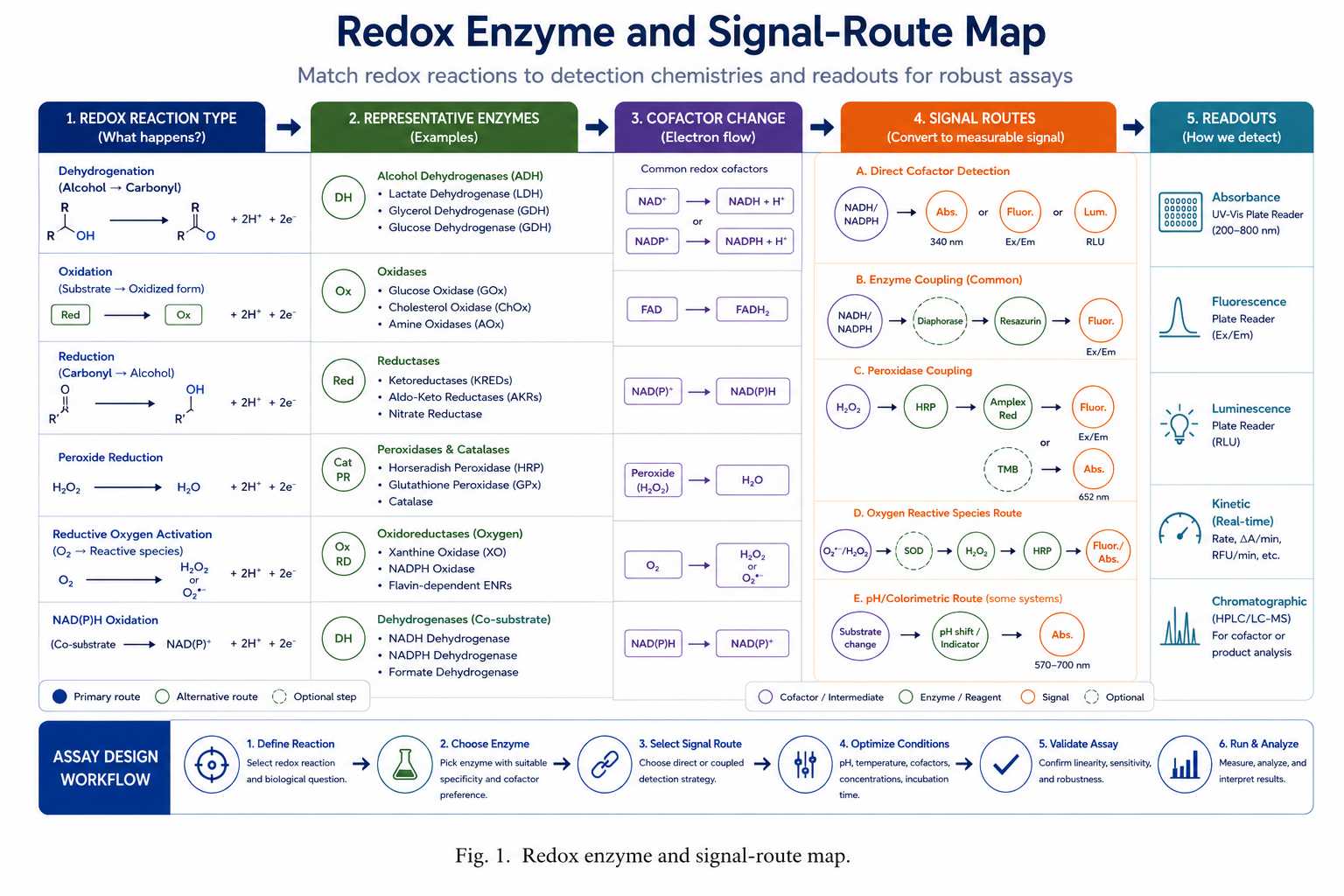 Fig 1. Redox enzyme and signal-route map.
(Creative Enzymes Diagnostic)
Build the selection test around the complete redox pathway. Changing the electron acceptor, mediator, oxygen transfer, or reporter substrate can change the apparent ranking of enzyme candidates.
| Selection factor | How to evaluate it | Why it matters |
|---|---|---|
| Analyte specificity | Test the target and structurally related compounds across the relevant concentration range. | Cross-reactivity can produce a chemically valid redox signal that is unrelated to the intended analyte. |
| Electron acceptor and cofactor | Confirm oxygen, NAD(P), FAD, PQQ, mediator, or dye requirements under final reagent conditions. | The wrong acceptor pathway can suppress turnover or redirect electrons to background reactions. |
| Oxygen and mass transfer | Control dissolved oxygen, mixing, film thickness, and sample volume in the intended format. | Oxygen-limited oxidase reactions can lose linearity even when excess enzyme is present. |
| Interfering reductants and oxidants | Challenge ascorbate, urate, bilirubin, hemoglobin, reducing agents, peroxide scavengers, and matrix-specific interferents as relevant. | These compounds may consume the reporter, donate electrons, or alter electrode current independently of analyte conversion. |
| Reporter or mediator compatibility | Measure signal kinetics, blank drift, and dynamic range with the chosen dye, peroxidase, mediator, or electrode. | The reporting chemistry can become limiting or amplify small background reactions. |
| Format and stability | Compare liquid, dried, immobilized, or working-strength performance through planned storage and use conditions. | Cofactor loss, oxidation, peroxide exposure, and surface interactions can reduce functional recovery. |
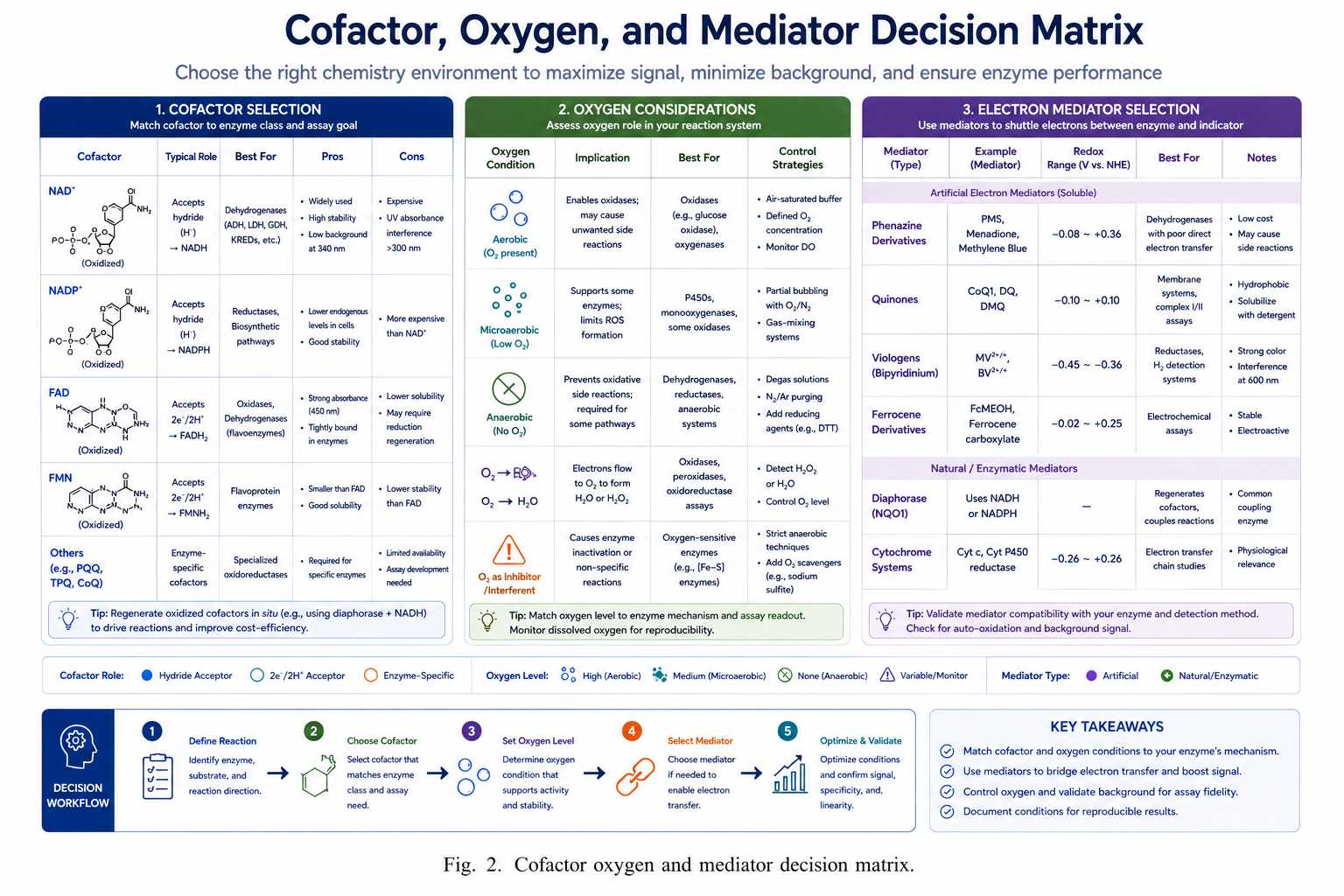 Fig 2. Cofactor oxygen and mediator decision matrix.
(Creative Enzymes Diagnostic)
Creative Enzymes supplies oxidases, dehydrogenases, diaphorase, and related redox enzymes for analytical research, diagnostic reagent development, and biosensor programs. Select a product name to review its available information.
| Product | Catalog | EC number | Source | Activity |
|---|---|---|---|---|
| Cholesterol Oxidase from Microorganism | DIA-138 | EC 1.1.3.6 | Microorganism | 12U/mg-solid or more |
| Sarcosine Oxidase from E. coli, Recombinant | DIA-414 | EC 1.5.3.1 | E. coli | > 10 U/mg |
| Diaphorase from Microorganism | DIA-423 | EC 1.6.5.2 | Microorganism | ≥ 600.0 U/mg |
| Fructosyl-Amino Acid Oxidase from E. coli, Recombinant | DIA-409 | E. coli | > 4 U/mg lyophilizate | |
| Fructosyl-peptide Oxidase (FPOX) from E. coli | DIA-434 | EC 1.5.3 | E. coli | ≥ 6.0 U/mg |
| Native Microorganism Glucose Dehydrogenase (FAD-dependent) | NATE-0251 | EC 1.1.99.10 | Microorganism | ≥ 800U/mg protein |
Activity values use product-specific assay definitions. Review the stated method and test conditions before comparing unit values across materials.
Qualification should demonstrate that electron transfer remains specific, proportional, and stable from analyte conversion to instrument response. Each component of the redox chain needs enough capacity without increasing blank signal.
Document the analyte reaction, cofactor, acceptor, reporter or mediator, coproducts, and expected signal polarity.
Titrate the primary enzyme and indicator components so the signal remains proportional across the reportable range.
Test representative samples, redox interferents, oxygen conditions, device geometry, and planned liquid or dry reagent format.
Set incoming activity, cofactor or formulation limits, background acceptance, stability, lot bridging, and change-control requirements.
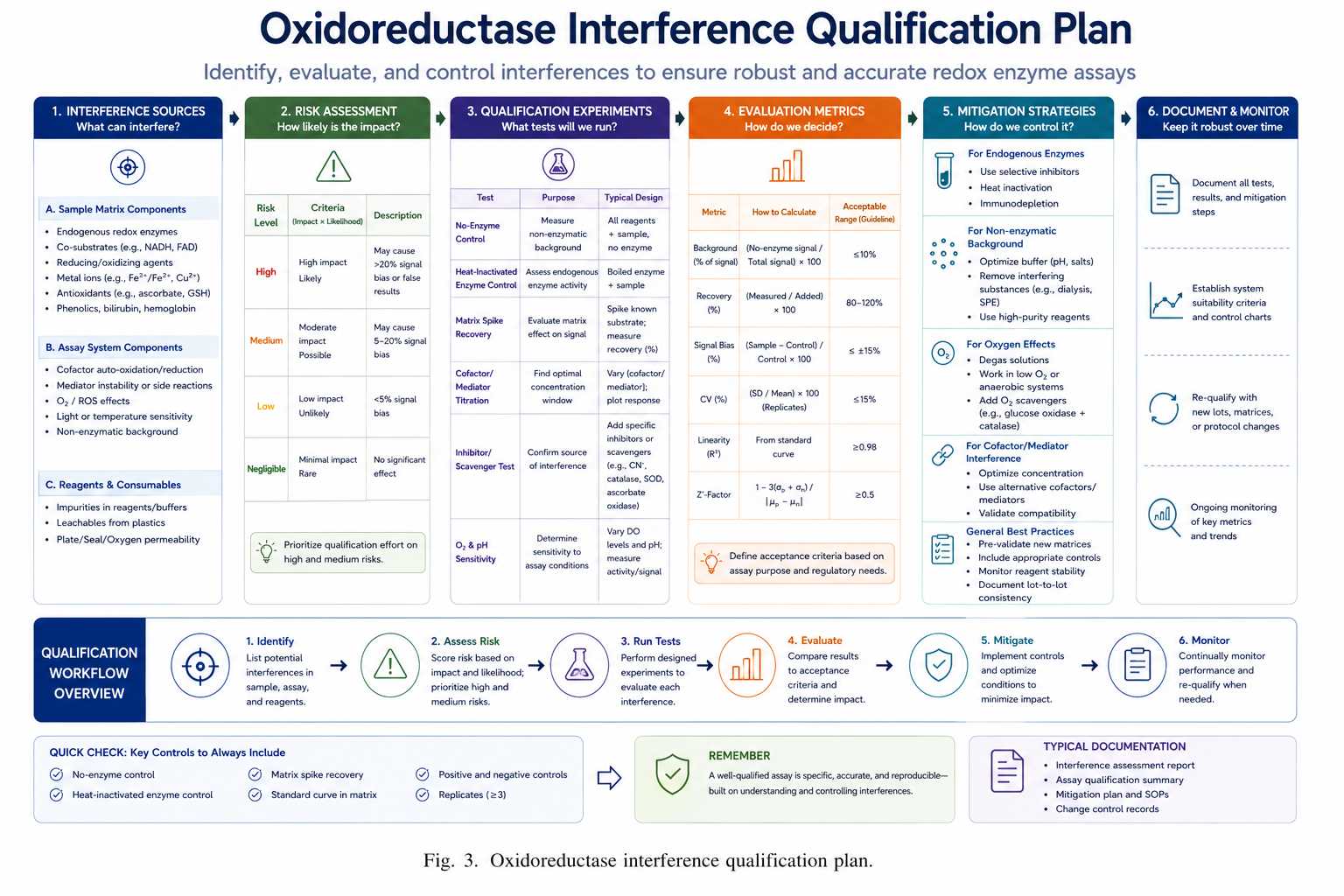 Fig 3. Oxidoreductase interference qualification plan.
(Creative Enzymes Diagnostic)
Provide the analyte and concentration range, electron acceptor or cofactor, reporter or mediator, sample matrix, oxygen conditions, instrument, reagent format, target activity, manufacturing scale, and documentation requirements.
An oxidase transfers electrons to oxygen, whereas a dehydrogenase transfers them to another acceptor such as NAD(P), a bound cofactor, or a mediator. The distinction determines the signal design.
Oxygen is a reactant. Limited transfer from air or uneven diffusion in a film can restrict turnover and change linearity.
Test relevant reducing and oxidizing compounds in the complete reporter or electrode system, using blanks that separate chemical signal from enzyme-dependent signal.
Not necessarily. Source, specificity, cofactor state, formulation, kinetics, and stability can produce different results in the intended matrix.
Evaluate mediator potential, electron-transfer rate, enzyme loading, oxygen response, nonspecific electrochemistry, diffusion, and storage stability.
Use one common assay with the intended substrate and acceptor system. Supplier methods may use different cofactors, reporters, temperatures, and endpoints.
These sources support the scientific classification and technical selection criteria. Product specifications must be confirmed in current Creative Enzymes documentation.