
| Catalog | Product Name | EC No. | CAS No. | Source | Price |
|---|---|---|---|---|---|
| DIA-834 | Recombinant Kex2 Protease | EC 3.4.21.61 | 99676-46-7 | Inquiry | |
| DIA-836 | Recombinant Lysyl Endonuclease | EC 3.4.21.50 | Inquiry | ||
| DIA-837 | Recombinant Phenylalanine Ammonia Lyase | Inquiry | |||
| DIA-838 | Recombinant PreScission Protease (rPPase) | 461-03-1816 | Inquiry | ||
| DIA-839 | Recombinant PreScission Protease, Low Endotoxin (rPPase) | 461-03125-1816 | Inquiry | ||
| DIA-840 | Recombinant Proline Hydroxylase | Inquiry | |||
| DIA-841 | Recombinant Rhesus Macaque Fms-Related Tyrosine Kinase 3 Ligand (rRhFlt-3Ligand) | 113-05-1816 | Inquiry | ||
| DIA-842 | Recombinant SARS-CoV-2 3CL Protease (rSARS-CoV-23CL Protease) | 6261-06-1816 | Inquiry | ||
| DIA-843 | Recombinant Staphylokinase (rSAK) | 451-02-1816 | Inquiry |
Clinical chemistry assays measure metabolites, substrates, enzymes, and reaction products in biological samples to support laboratory evaluation of metabolic status and organ function. Enzymes are widely used in these assays to convert an analyte into a measurable product, amplify a reaction through enzymatic cycling, remove an interfering substance, or generate a colorimetric, fluorometric, chemiluminescent, or electrochemical signal.
This category focuses on general clinical chemistry and metabolic testing systems that are not limited to one organ- or disease-specific panel. Representative applications include homocysteine, creatinine, creatine, uric acid, sialic acid, purine metabolites, inorganic phosphate-related reactions, and enzyme activity assays.
Creative Enzymes supplies primary reaction enzymes, auxiliary enzymes, cycling enzymes, oxidases, dehydrogenases, hydrolases, lyases, and signal-generation enzymes for automated chemistry analyzers, microplate assays, diagnostic reagent kits, biosensors, and point-of-care platforms. The existing portfolio includes enzymes used in homocysteine cycling, creatinine conversion, purine metabolism, sialic acid detection, and general coupled reactions.
Total homocysteine assays measure free, oxidized, and protein-bound forms of homocysteine after appropriate sample pretreatment. Because homocysteine itself does not always generate a convenient direct signal, enzymatic methods commonly use cycling or cascade reactions to convert its concentration into a measurable change in NADH, NADPH, or another reaction component.
One enzymatic cycling format uses:
The regeneration of homocysteine amplifies the analytical response.
Other assay architectures may use enzymes such as:
Because different homocysteine methods use different enzyme cascades, product selection should be based on the complete reaction design rather than the analyte name alone. FDA-reviewed assays demonstrate both CBS/CBL-based cycling and alternative methyltransferase–SAH hydrolase enzyme systems.

Enzymatic creatinine methods commonly use a sequence of reactions that converts creatinine into hydrogen peroxide:
This multi-enzyme format is used in serum, plasma, and urine creatinine assays.
Representative products include:
Creatine assays may omit the initial creatininase step and begin with creatinase. When the products are intended for kidney-function assays, they may also be listed in the relevant renal testing category; this page emphasizes the underlying enzyme system and reagent selection.
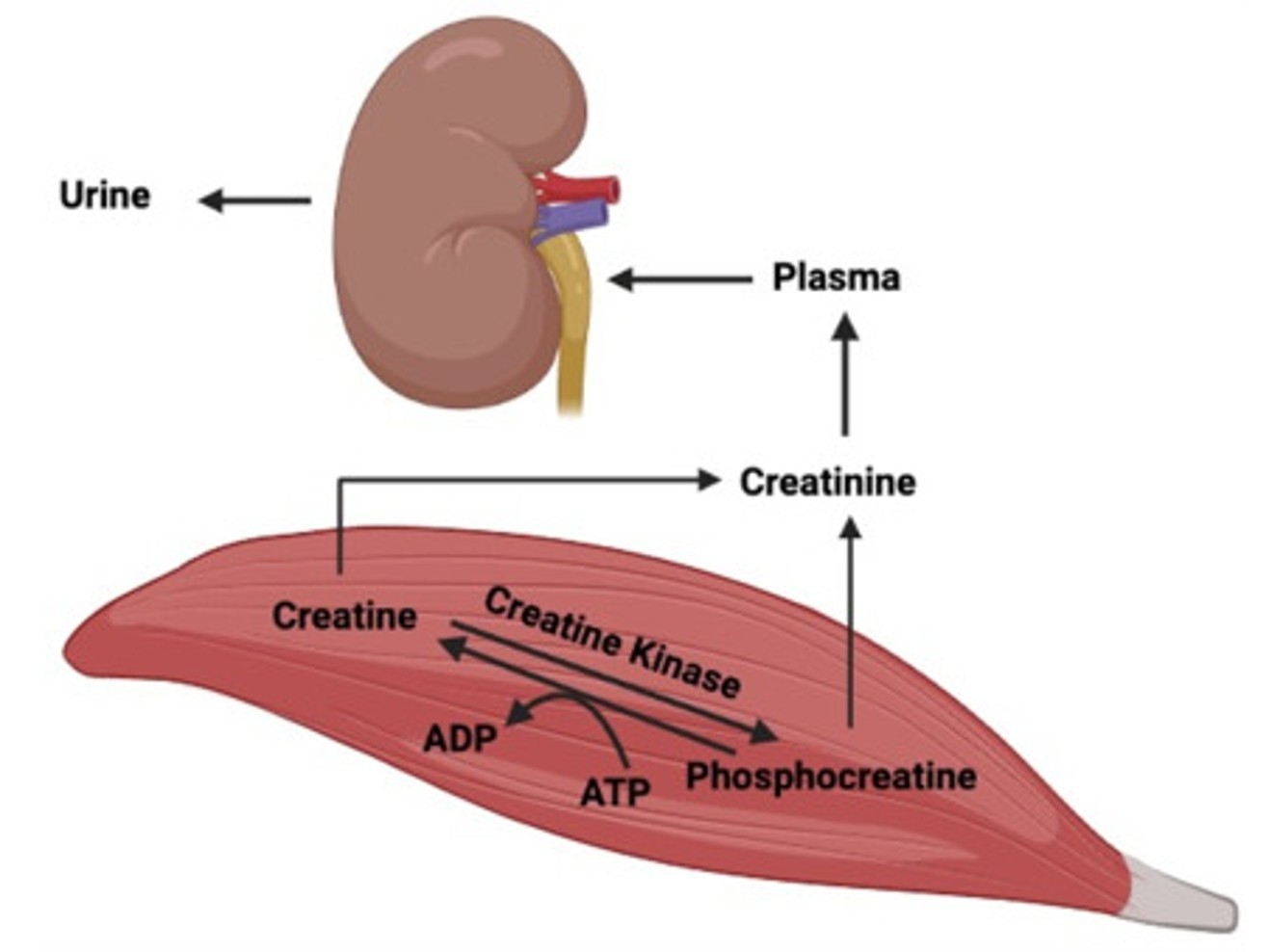 Figure 1. Creatine catabolism. (Kamel et al., 2023)
Uricase is commonly used for enzymatic determination of uric acid. It oxidizes uric acid to allantoin while generating hydrogen peroxide, which may be measured directly or through a peroxidase-coupled color reaction.
Purine-metabolism enzyme systems can also support assays for:
For example, purine nucleoside phosphorylase can convert inosine in the presence of inorganic phosphate to hypoxanthine. Xanthine oxidase then generates uric acid and hydrogen peroxide, and uricase or a peroxide-detection system can be incorporated according to the assay design. PNP, xanthine oxidase, and uricase are commercially used in coupled clinical chemistry reactions for inorganic phosphate, adenosine deaminase, and 5′-nucleotidase measurement.
Sialic acids occur as terminal carbohydrate residues on many glycoproteins and glycolipids. Assays may measure free sialic acid or total sialic acid after enzymatic release from glycoconjugates.
A representative enzymatic workflow may include:
The decrease in NADH can then be measured spectrophotometrically. N-acetylneuraminic acid aldolase is specifically used with related enzymes for clinical sialic acid determination.
Relevant products may include:
In some clinical chemistry tests, the target is an enzyme activity rather than a metabolite concentration. The assay may supply a defined substrate and measure the rate at which the endogenous enzyme produces or consumes a detectable product.
Examples include assays for:
Auxiliary enzymes are often required to convert the primary reaction product into NADH consumption, hydrogen peroxide formation, or another detectable output. The appropriate auxiliary system depends on the substrate, reaction direction, cofactor, and analytical platform.
Reference enzyme preparations may also support calibrator development, activity assignment, control materials, method comparison, and instrument verification. Human enzyme preparations are commercially supplied for use as enzyme reference materials, calibrators, and control-serum components.

| Target or Assay | Representative Reaction Strategy | Key Enzymes | Common Platforms |
|---|---|---|---|
| Total homocysteine | Enzymatic cycling with pyruvate or NAD(P)H-linked detection | CBS, CBL, LDH, HMT, SAHH, ADA, GLDH | Automated chemistry analyzers, microplate assays |
| Creatinine | Sequential conversion to sarcosine and hydrogen peroxide | Creatininase, creatinase, sarcosine oxidase, peroxidase | Clinical chemistry analyzers, colorimetric kits |
| Creatine | Conversion to sarcosine followed by oxidase detection | Creatinase, sarcosine oxidase, peroxidase | Spectrophotometric assays |
| Uric acid | Direct uricase oxidation with peroxide generation | Uricase, peroxidase | Automated chemistry, colorimetric assays, biosensors |
| Inorganic phosphate | PNP-dependent purine conversion followed by oxidation | Purine nucleoside phosphorylase, xanthine oxidase, uricase | Clinical chemistry and microplate assays |
| Adenosine deaminase activity | Adenosine conversion followed by purine-cascade detection | ADA, PNP, xanthine oxidase, uricase | Enzyme activity assays |
| Sialic acid | Release and cleavage to pyruvate followed by NADH-linked detection | Neuraminidase, NANA aldolase, LDH | Clinical chemistry, biochemical assays |
| Hydrogen peroxide-producing reactions | Conversion of peroxide into a colored or fluorescent product | Peroxidase | Colorimetric, fluorometric, biosensor assays |
| NADH/NADPH-linked reactions | Formation or consumption of reduced cofactor | Dehydrogenases, diaphorase | Kinetic spectrophotometric and cycling assays |
| General enzyme activity | Substrate conversion followed by coupled detection | Kinases, hydrolases, oxidases, dehydrogenases | Automated analyzers, microplates, POCT systems |
Because clinical chemistry enzymes often participate in several assays, some products may appear in more than one application category.
| Product or Application | Primary Specialized Category | Role in This Category |
|---|---|---|
| Cholesterol and triglyceride enzymes | Lipid Metabolism Diagnostic Enzymes | General coupling or signal-generation use only |
| Glucose and glycated-protein enzymes | Diabetes Testing Enzymes | Shared oxidases, dehydrogenases, and auxiliary enzymes |
| Creatinine and uric acid enzymes | Kidney Function or General Clinical Chemistry | May be listed in both according to assay use |
| ALT, AST, GGT, and bile-acid enzymes | Liver Function Diagnostic Enzymes | Reference or auxiliary enzyme use |
| CK and LDH isoenzymes | Cardiac and Muscle Injury Assay Enzymes | General reference and coupled-reaction use |
| Lactate, ammonia, ketone, and bicarbonate enzymes | Electrolyte and Small Metabolite Testing Enzymes | Shared dehydrogenases and coupling enzymes |
| Polymerases and reverse transcriptases | Molecular Diagnostic Enzymes | Outside the primary scope of this clinical chemistry category |
A product should be created once in the catalog and assigned to additional application categories where appropriate.
Determine whether the target is:
This distinction determines whether the required product is a primary reaction enzyme, analyte-conversion enzyme, cycling enzyme, reference material, or signal-generation enzyme.
Many clinical chemistry methods contain three or more linked reactions. Each step should be evaluated for:
The auxiliary enzymes should generally be present at sufficient activity so that the measured response reflects the target reaction rather than a slow coupling step.
Closely related metabolites may be present in the same biological sample. Important specifications may include:
For low-concentration analytes or cycling assays, even trace contaminating activities can affect blank signal and calibration.
Clinical chemistry assays may use:
Potential interferents include hemoglobin, bilirubin, lipids, anticoagulants, reducing agents, ascorbate, endogenous peroxide, metal ions, and residual collection additives.
Selection should also consider:
Need Help Building a Multi-Enzyme Clinical Chemistry Reaction?
Share your target analyte, reaction pathway, sample type, instrument, expected measuring range, and formulation requirements with our technical team.
Request Product Selection Support →
Q1. What belongs in the general clinical chemistry enzyme category?
Q2. Which enzymes are commonly used in enzymatic creatinine assays?
Q3. Which enzymes can be used for homocysteine testing?
Q4. Can uricase be used without peroxidase?
Q5. How is sialic acid measured enzymatically?
Q6. Why are contaminating enzyme activities important?
Q7. Can the same enzyme be listed in more than one product category?
Q8. Can you optimize a complete enzymatic cycling system?
Q9. Are glycerol-free or lyophilized enzyme formats available?
